




Why Sit-Ups Are Falling Out of Favour
The classic sit-up has been a staple in everything from school gym classes to military fitness tests for generations. [13, 21] However, experts now caution against it, primarily due to the strain it places on the spine. [8] Each sit-up forces your curved
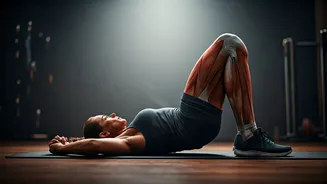
lower back against the floor, creating significant compressive force on your spinal discs. [2, 13] Over time, this repetitive pressure can contribute to discomfort, lower back pain, and even an increased risk of injuries like disc bulges or herniation. [2, 18] Furthermore, sit-ups primarily target the most superficial abdominal muscles (the rectus abdominis) and heavily involve the hip flexors. [1, 7] When your hip flexors become too tight from overuse, they can pull on your lower spine, further contributing to poor posture and back pain. [8, 15] This limited muscle engagement and potential for harm are why many trainers and physical therapists are now guiding people toward more functional alternatives.
The Plank: A Full-Body Powerhouse
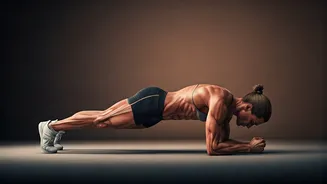
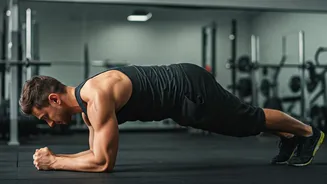
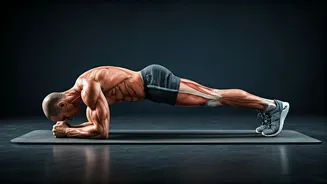
Enter the forearm plank. Unlike the sit-up, which involves movement (isotonic contraction), the plank is an isometric exercise, meaning you hold a static position. [5] This simple hold is deceptive; it engages a much wider array of muscles. A proper plank works your entire core, including the deep transverse abdominis, which acts like a natural corset for your spine, the rectus abdominis, and the obliques along your sides. [1, 4] But it doesn't stop there. Planks also recruit muscles in your shoulders, back, glutes, and legs, making it a true full-body exercise. [1, 22] This comprehensive muscle activation is key to building functional core strength, which is less about aesthetics and more about stability. A strong, stable core supports better posture, improves balance, and reduces the risk of injury in both daily activities and athletic pursuits. [4, 5, 6]
Your Guide to Perfect Plank Form
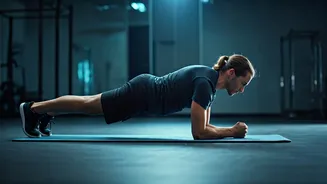
Proper form is crucial to reaping the benefits of a plank and avoiding injury. Follow these steps to master the forearm plank: 1. Start by lying face down on the floor. Position your elbows directly under your shoulders and place your forearms on the ground, parallel to each other. You can either lay your palms flat or clasp your hands. [3, 20] 2. Lift your hips off the floor, extending your legs straight behind you and coming onto your toes. Your body should form a straight, rigid line from your head to your heels. [12] 3. Engage your core by drawing your navel in toward your spine. Squeeze your glutes and quads to keep your lower back from sagging. [8, 20] 4. Keep your neck in a neutral position by looking at the floor a short distance in front of your hands. Avoid craning your neck up or letting your head droop. [11, 20] 5. Breathe deeply and hold the position. Aim for 20-30 seconds to start, gradually increasing the time as you get stronger. [3] The goal is to maintain perfect form for the entire duration.
Avoid These Common Planking Pitfalls
A few common mistakes can undermine the effectiveness of your plank and even cause strain. First is letting your hips sag toward the floor. This indicates your core has disengaged and places stress on your lower back. [12] The opposite error is hiking your hips too high into the air, which looks like a downward-facing dog. This takes the load off your abs, defeating the purpose of the exercise. [11] Another frequent mistake is dropping your head or looking forward, which can strain your neck. [12] Remember, the goal is to maintain a perfectly straight line. If you find your form breaking, it's better to end the plank, rest for a moment, and start again than to hold a poor position. Quality always trumps quantity.
Ready for a Challenge? Plank Variations
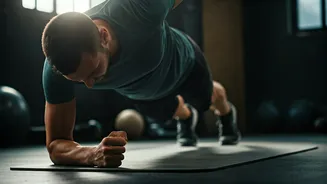
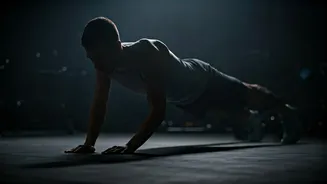
Once you can comfortably hold a forearm plank with good form for a minute or more, you can introduce variations to keep challenging your muscles. [3] For a simpler modification, you can perform the plank with your knees on the ground, which reduces the load on your core. [3, 11] To increase the difficulty, try a high plank (on your hands instead of forearms) or a single-leg plank, where you lift one foot a few inches off the ground while maintaining stability. [11] The side plank is another excellent variation that specifically targets the obliques, the muscles on the sides of your abdomen. [10, 11] By incorporating these variations, you can ensure your core workouts remain dynamic and continue to build strength and endurance across your entire midsection.