







Why More Fibre Matters
Dietary fibre, the part of plant-based foods that your body can't digest, is a powerhouse nutrient. A high-fibre diet is essential for maintaining good health. It helps regulate bowel movements, preventing constipation and adding bulk to your stool. Beyond
digestion, fibre plays a crucial role in managing blood sugar levels, lowering cholesterol, and may reduce the risk of chronic conditions like heart disease and diabetes. It also helps you feel full for longer, which can aid in weight management. Experts recommend that adults consume between 25 to 38 grams of fibre daily, a target many people fall short of.
Upgrade Your Grains and Flours
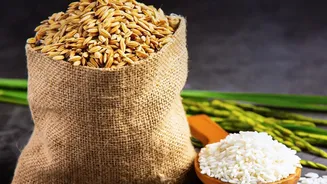
One of the simplest swaps is to choose whole grains over refined ones. The traditional Indian diet is rich in whole grains, but modern habits have seen a shift towards refined products. Instead of using only refined white flour (maida) for rotis and parathas, switch to whole wheat atta, which is packed with fibre. Better yet, incorporate millet flours like jowar (sorghum), bajra (pearl millet), and ragi (finger millet) into your daily routine. These are not only higher in fibre but also add a new dimension of flavour and nutrition to your meals. When it comes to rice, gradually start mixing brown rice with your regular white rice, or have it a few times a week to increase your fibre intake without a drastic change.
Embrace the Power of Pulses
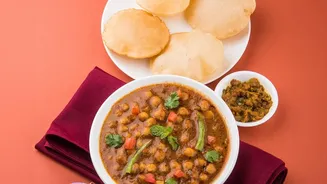
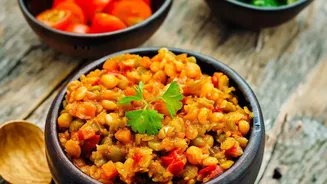
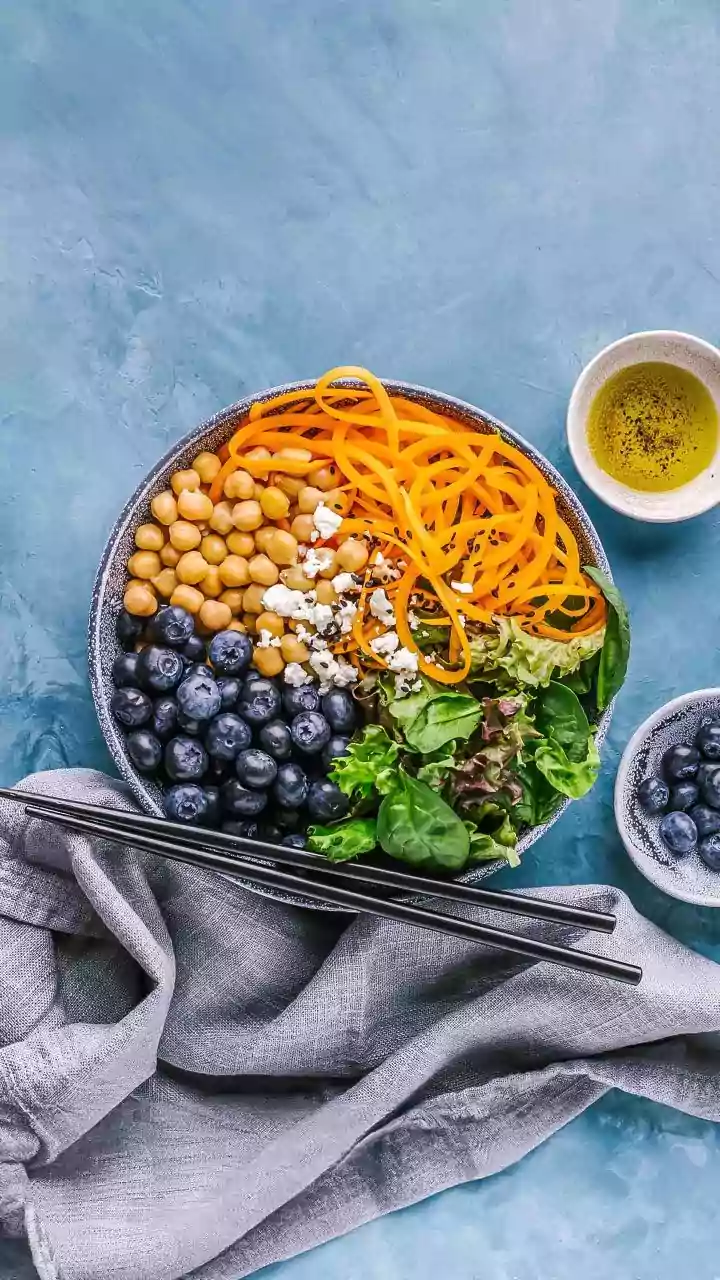
Lentils and legumes are the heart of Indian cuisine and fantastic sources of fibre. Make it a point to include at least one serving of dal, chana (chickpeas), or rajma (kidney beans) in your main meals every day. When choosing dals, opt for whole pulses (like whole moong) over split and skinned versions (like yellow moong dal) when possible, as they retain more fibre. Adding beans and lentils to soups, salads, and even khichdi is an easy way to boost both fibre and plant-based protein, keeping you satisfied and your gut happy.
Fill Half Your Plate with Vegetables
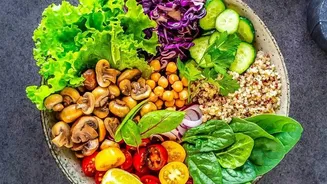
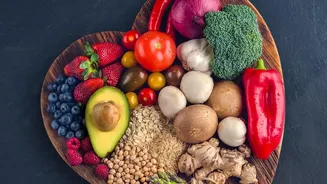
Vegetables are naturally rich in fibre and nutrients. A simple rule of thumb is to ensure vegetables fill half of your plate at lunch and dinner. Indian cuisine offers a wonderful variety of high-fibre vegetables like bhindi (okra), spinach, sweet potatoes, carrots, and peas. Don’t shy away from eating the peels of vegetables like potatoes and fruits like apples, as a significant amount of fibre is found in the skin—just be sure to wash them thoroughly. Including a simple side salad (kachumber) with your meals is another excellent habit to cultivate.
Snack Smarter and Add Fibre Boosters
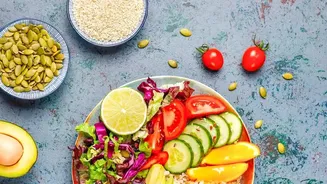
Mid-day hunger pangs often lead to reaching for processed, low-fibre snacks. Instead, opt for whole fruits like guavas, apples, pears, or a banana. A small handful of nuts like almonds or roasted chickpeas (chana) also makes for a filling and fibre-rich snack. You can also incorporate fibre boosters into your meals. Sprinkling a tablespoon of chia seeds or ground flaxseeds into your yoghurt, smoothies, or even atta dough is an effortless way to add a significant amount of fibre to your diet.