



A Surprising Family Tree
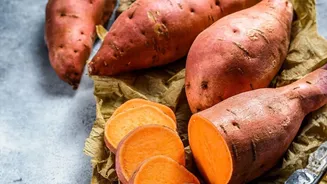
One of the biggest distinctions between these two has nothing to do with taste, but botany. A sweet potato is a root vegetable, specifically a storage root from the morning glory family. It grows underground, and the entire tuber is dense and edible.
Butternut squash, on the other hand, is technically a fruit. It grows on a vine above ground as part of the gourd family, which also includes pumpkins and melons. This fundamental difference explains why a butternut squash has a hollow, seed-filled cavity at its base while a sweet potato is solid all the way through.
The Taste and Texture Showdown
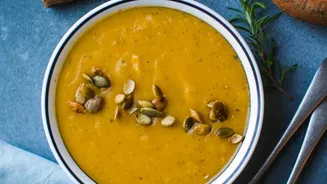
As its name suggests, a sweet potato has a more pronounced and straightforward sweetness. Its flavour is often described as sugary and starchy. Butternut squash also has a sweet profile, but it's more complex, with nutty and earthy undertones. When cooked, their textures also diverge. Sweet potatoes tend to be starchier and can sometimes have a slightly fibrous or stringy quality. They hold their shape well, making them ideal for fries or wedges. Butternut squash contains more moisture, which means it becomes softer and creamier when cooked. This makes it perfect for blending into silky, smooth soups and purees.
A Look at the Nutritional Profile
Both vegetables are nutritional powerhouses packed with vitamins, but they have key differences. If you're watching calories or carbohydrates, butternut squash is the lighter option, with roughly half the calories and carbs of a sweet potato for the same portion size. However, sweet potato packs a bigger punch in other areas. It is generally higher in protein, potassium, and Vitamin A. Both are excellent sources of fiber, with nearly identical amounts per cup. Ultimately, neither is definitively 'healthier'; the better choice depends on your personal dietary goals. Butternut squash is great for adding volume to meals with fewer calories, while sweet potato is more filling.
Best Uses in the Kitchen
Choosing between the two often comes down to the final dish. Sweet potato's dense, starchy texture makes it the clear winner for anything you want to be crispy. Think roasted wedges, homemade fries, or adding substance to a sheet-pan dinner. Its inherent sweetness also makes it a star in baked goods like pies, breads, and casseroles.Butternut squash's high moisture content and creamy texture make it the go-to for velvety soups, risottos, and pasta sauces. Its milder, nuttier flavour pairs beautifully with savoury ingredients like sage, goat cheese, and caramelized onions. It can be roasted, stuffed, or pureed, adding a subtle sweetness and creamy body to many dishes.
Can You Substitute One for the Other?
In many cases, yes, but with adjustments. For soups, mashes, and purees, they can be swapped fairly easily, though a sweet potato version will be thicker and sweeter. When roasting, both work well, but butternut squash may cook faster due to its higher water content. The one area where substitution is not recommended is for fries; butternut squash simply has too much moisture to get truly crispy. For most other dishes, feel free to experiment, keeping in mind that you'll be trading the starchy sweetness of a potato for the nutty creaminess of the squash.