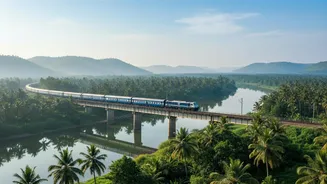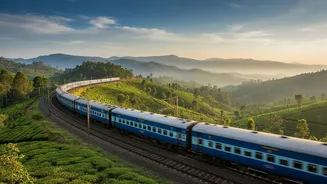

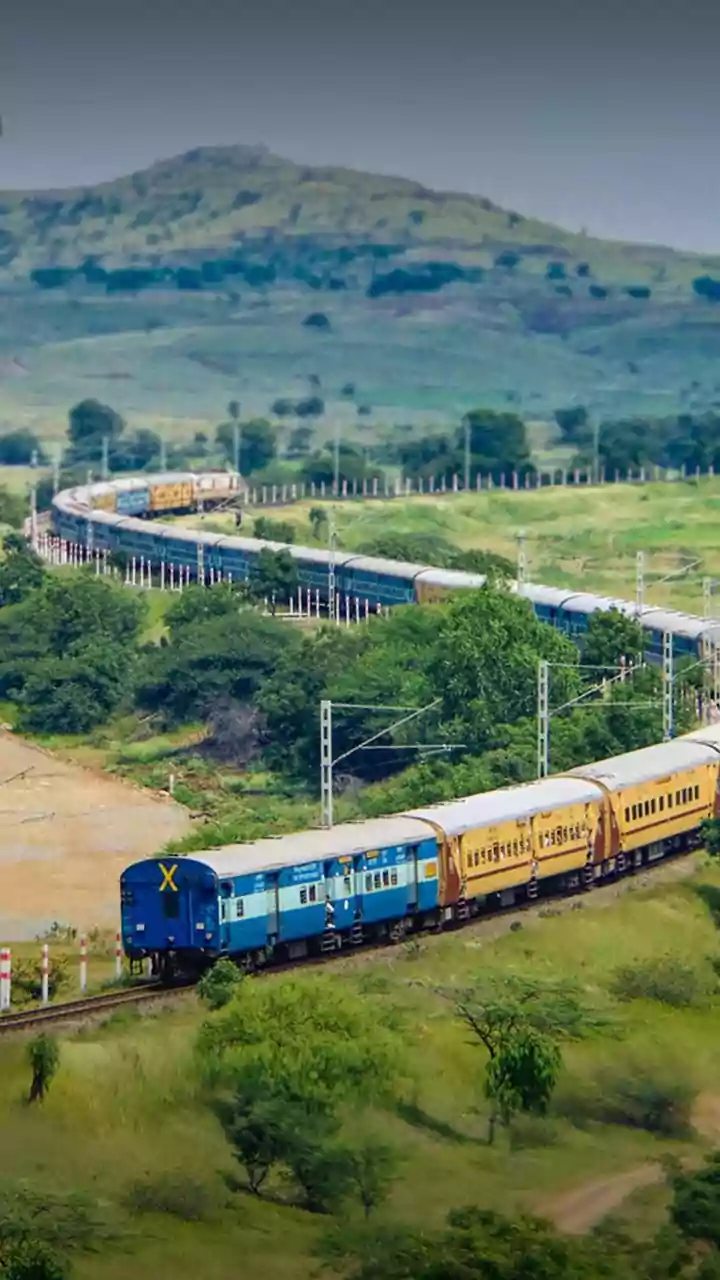
A Welcome Relief for Festive Travellers
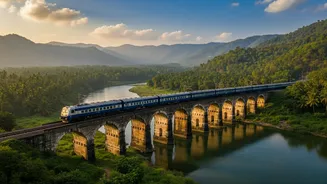
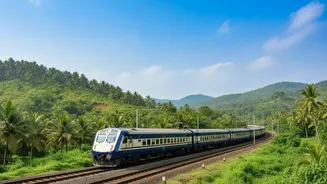
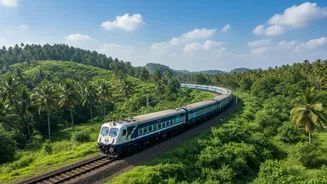
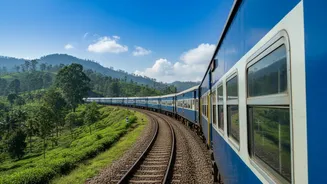
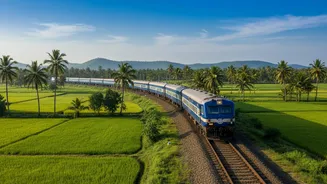
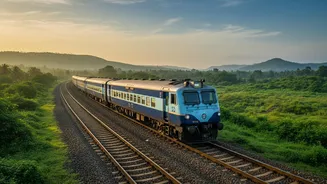
Southern Railway, along with other zonal railways, has rolled out a schedule of special trains to manage the immense passenger rush expected in August. With major festivals like Onam creating peak demand, especially on routes connecting Bengaluru, Chennai,
and Hyderabad with Kerala, these additional services are a critical lifeline. For countless families and students, the announcement of new trains, such as services between Mysuru and Kannur, means the difference between a confirmed berth and a cancelled trip. These trains are deployed specifically to clear the extra rush, often using all available coaches to maximise capacity. For passengers who have spent weeks staring at impossibly long waitlists on regular services, the special trains provide a much-needed, albeit last-minute, travel solution.
The Outbound Dilemma
The core issue highlighted by the August schedule is its heavy focus on outbound services. The primary push is to get people from major metropolitan hubs to their hometowns for the festivals. While this addresses the immediate, visible demand, it creates a significant and often frustrating problem for the return journey. Passengers who manage to secure an outbound ticket find themselves in an equally desperate situation when trying to book a train back to the cities where they work or study. This imbalance means that the problem is not solved, merely postponed. The frantic search for a confirmed ticket simply repeats itself a week or two later, often with even fewer options available, forcing travellers to rely on expensive flights or uncomfortable bus journeys.
A Cycle of Predictable Chaos
The festive rush is not a surprise event. Every year, Indian Railways faces the same surge in demand during periods like Onam, Diwali, and Holi. While thousands of special trains are operated annually, the strategy often feels reactive rather than proactive. Announcements are frequently made close to the travel date, adding to passenger anxiety. Critics point out that this recurring cycle of demand could be better managed with more advanced planning and a more balanced approach to scheduling. The reliance on special trains, which are sometimes subject to delays and operate on congested networks, points to deeper systemic challenges. These trains are a temporary fix for a permanent problem of supply failing to meet a predictable, seasonal demand.
Underlying Infrastructure Constraints
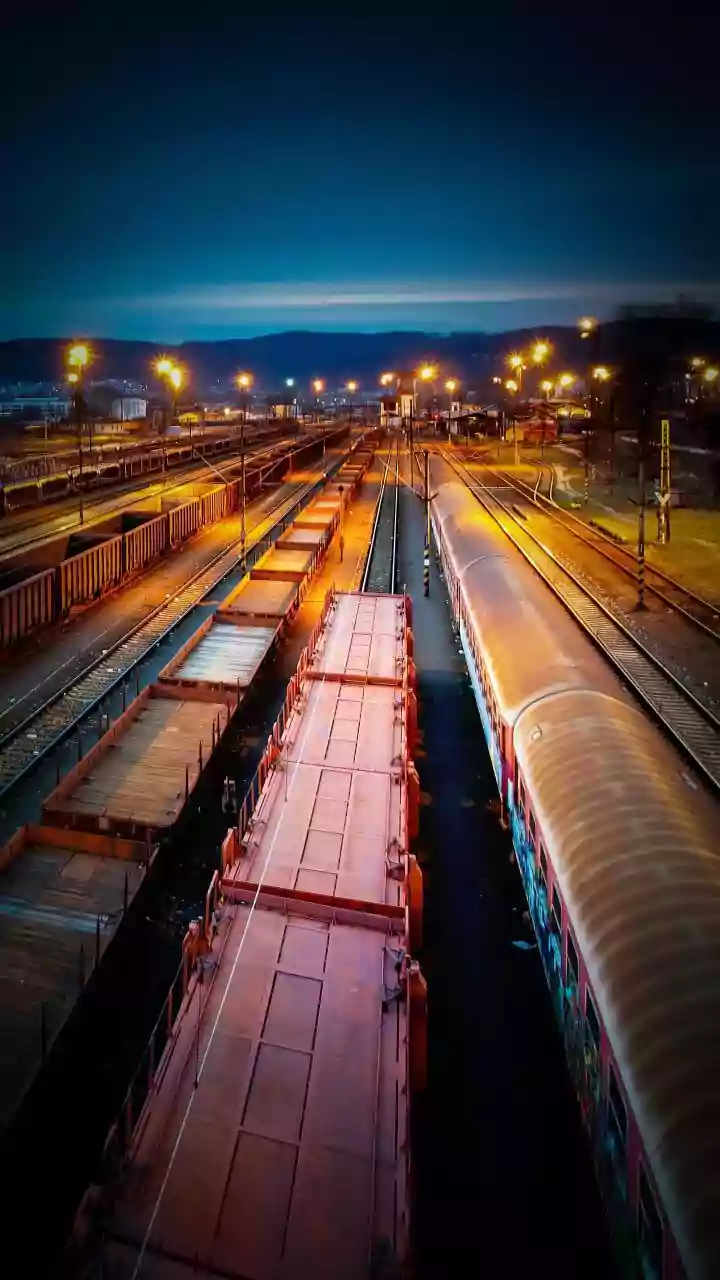
The problem isn't just about scheduling; it's rooted in fundamental infrastructure limitations. Running more trains requires available rakes (coach sets), sufficient crew, and, most importantly, track capacity. Many key routes, particularly single-track sections, simply cannot handle additional traffic without causing significant delays to both special and regular services. When a network is already operating at or near its peak, slotting in extra trains becomes a complex logistical puzzle. One delayed train can have a cascading effect, impacting dozens of other services on the line. The constant need for engineering work and station redevelopment, such as the ongoing project at Chennai Egmore, further complicates operations and can lead to temporary diversions and terminations, adding another layer of complexity for passengers.
Beyond Special Services
While special trains will remain an indispensable tool for managing festive rushes, they alone are not a sustainable long-term solution. The recurring crisis highlights the urgent need for strategic investment in expanding the rail network. This includes doubling single-track lines to increase capacity, building longer platforms and passing loops to accommodate longer trains, and improving signalling systems to allow for more frequent services. Addressing staff shortages and ensuring crews are available without relying on overtime is also crucial for maintaining a reliable service. Ultimately, moving from a system that scrambles to manage predictable peaks to one that has the inherent capacity to absorb them is the only way to end the annual travel ordeal for millions of passengers.