



Bishnupur: A Land of Burnt-Clay Marvels
A few hours by train or car from Kolkata lies Bishnupur, the former capital of the Malla kingdom. For nearly a thousand years, the Malla kings ruled this region, leaving behind a legacy etched in terracotta. Due to the scarcity of stone, local artisans
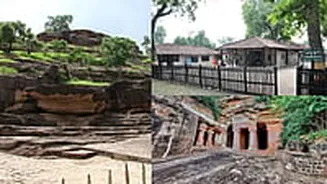
perfected the art of baking clay to create intricate panels that adorn the town's unique brick temples. These panels are not mere decorations; they are storybooks in clay, narrating tales from the Ramayana and Mahabharata, scenes from Lord Krishna's life, and depictions of daily existence during the medieval period. The Malla rulers were devout Vaishnavites, and their faith is reflected in the temples built to honour Lord Vishnu.
Architectural Wonders to Explore
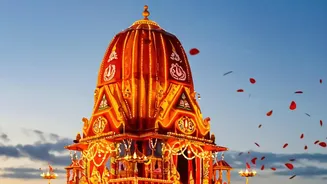
The most iconic structure in Bishnupur is the Rasmancha, a unique pyramidal building constructed in 1600. During the Ras festival, idols from various temples were displayed here for public viewing. Another architectural gem is the Jor-Bangla Temple, designed to resemble two traditional Bengali huts joined together, with its walls covered in detailed terracotta carvings. The Shyam Rai Temple, a 'Pancha Ratna' (five-pinnacled) structure, and the Madan Mohan Temple are other magnificent examples of this art form. Beyond the temples, Bishnupur is also famous for its Baluchari sarees, which often weave temple motifs into their designs, and its distinctive terracotta pottery.
Murshidabad: Echoes of the Nawabs
In the other direction from Kolkata, Murshidabad stands on the banks of the Bhagirathi river, steeped in a different kind of history. This was the last capital of independent Bengal before the British established control. It was the seat of the Nawabs of Bengal, a city once compared to London in its wealth and population. The grandeur of that era is preserved in its magnificent palaces, mosques, and tombs. A trip here is a journey into the world of courtly intrigue, immense wealth, and the dawn of colonial rule in India. The city's history is a poignant reminder of a time when Bengal was a major centre of power and trade.
Palaces, Doors, and Grand Designs
The centerpiece of Murshidabad is the Hazarduari Palace, or the Palace of a Thousand Doors. This imposing Neoclassical building, designed by a Scottish architect, has 1,000 doors, though 900 of them are famously fake, designed to confuse intruders. Today, it serves as a museum housing an incredible collection of antiques, armoury, and paintings from the Nawabi era. Just opposite stands the Nizamat Imambara, an enormous congregation hall for Shia Muslims. Other significant sites include the Katra Masjid, which holds the tomb of Nawab Murshid Quli Khan, and the serene Kathgola Gardens, a palace complex built by a wealthy Jain merchant family.
Planning Your Weekend Escape
Both destinations are easily accessible from Kolkata for a two-day trip. Bishnupur is around 140-200 km away, reachable by train from Howrah in about 3-4 hours or by car. Murshidabad is approximately 200 km from Kolkata, with direct trains from Sealdah taking a similar amount of time. The best time to visit either location is during the cooler months, from October to March, when sightseeing is most pleasant. Bishnupur appeals to those who love art, ancient architecture, and rustic charm. Murshidabad, with its grand palaces and Mughal-era history, is perfect for those fascinated by royal stories and colonial history.