




The Blueprint of Human Motion
Every physical activity, from a simple walk to a complex athletic feat, is governed by movement patterns. These are sequences of joint and muscle actions that the body learns and automates over time. Biomechanics, the science of movement, helps us analyze
these patterns to understand efficiency, force, and expression. While both dancing and rowing are full-body workouts, their underlying patterns are fundamentally opposed. Dancing often prioritizes complexity and variability, while rowing is a masterclass in repetition and efficiency. Understanding these differences reveals not just how we move, but what each activity uniquely offers for our physical and mental well-being.
Dance: The Art of Unpredictable Grace
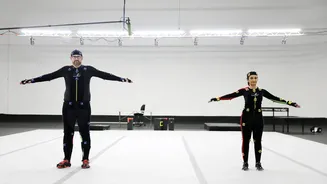
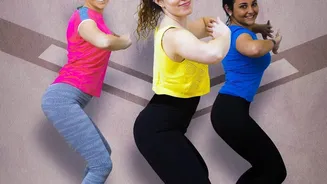
Dancing is a multi-planar activity, meaning the body moves in all three dimensions: forward and back, side to side, and rotationally. Whether it's the structured steps of ballet or the improvisational flow of contemporary styles, dancers constantly learn novel choreographies and complex sequences. This requires immense cognitive effort, as the brain must coordinate balance, rhythm, and spatial awareness simultaneously. Studies show that this constant learning and variability can lead to significant positive changes in brain structure, enhancing functions like memory and cognitive flexibility. The movement itself is often asymmetrical and expressive, with a focus on conveying emotion or story rather than producing a single, measurable output like speed. This results in a highly developed neuromuscular system capable of fine motor control and dynamic, unpredictable actions.
Rowing: The Science of Powerful Repetition
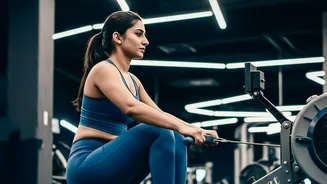
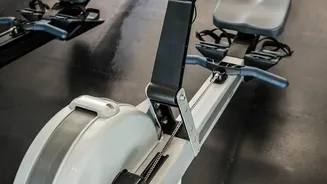
Rowing, in contrast, is a model of mechanical efficiency. The movement is cyclical and predominantly occurs in a single plane of motion (the sagittal plane), moving forward and backward. The entire sport is built around perfecting one sequence: the catch, drive, finish, and recovery. This pattern is designed for maximum power transfer from the legs, through the core, and to the arms, propelling the boat (or turning the flywheel) with minimal wasted energy. Experts agree the proper sequence is legs, then hips, then arms. While it might seem simpler, mastering this repetitive motion builds incredible cardiovascular endurance and muscular power. The neurological demand is less about learning new patterns and more about perfecting a single, powerful one, creating a strong mind-body connection through rhythmic feedback.
A Tale of Two Brains and Bodies
The different movement demands of dancing and rowing cultivate distinct skills. Research comparing ballet dancers and rowers found significant differences in brain structure, particularly in areas related to processing sensory input and dizziness. Dancers' brains appear to adapt to suppress feelings of dizziness from constant spinning, a skill not required in rowing. Similarly, while both activities promote brain health, the constant learning in dance has been shown to increase gray matter volume in more brain areas compared to repetitive fitness activities. Physically, rowing is unparalleled for building raw power and cardiovascular stamina through its structured, high-intensity cycles. Dance, on the other hand, excels at developing balance, agility, coordination, and the ability to react and adapt to new movements.
Which Pattern Is Right for You?
Neither activity is inherently 'better'; they simply train the body and brain in different ways. If your goal is to build powerful endurance and enjoy a rhythmic, meditative workout, the structured pattern of rowing is an excellent choice. It provides a highly effective, low-impact workout that strengthens the entire body in a coordinated sequence. If you seek creative expression, improved cognitive function, and the challenge of mastering complex and varied movements, dance offers a world of possibilities. For many, a combination of both could be ideal. The structured power of rowing can complement the fluid agility of dance, creating a well-rounded fitness regimen that trains the body for both predictable power and unpredictable grace.