





Beyond the Estate Gates
For most, Indian tea means the sprawling, manicured estates of Assam and Darjeeling. It’s the robust black tea in a morning chai or the delicate floral notes of a premium single-estate brew. But beyond these celebrated giants, a quieter, older tradition
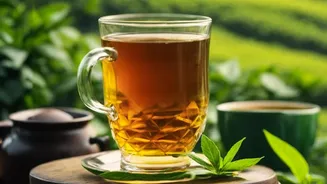
persists in the country's vast mountain ranges. This is the world of tisanes—herbal infusions made not from the traditional Camellia sinensis plant, but from flowers, leaves, berries, and roots foraged from the wild. For generations, these brews were the exclusive domain of Himalayan and Nilgiri communities, used less as a recreational beverage and more as a cornerstone of traditional wellness, passed down through families to soothe common ailments and adapt to the harsh mountain environment. Today, a new wave of wellness-conscious consumers and boutique Indian brands are rediscovering these hyper-local drinks, bringing ancient plant wisdom to modern cups.
Treasures of the Himalayas
The Himalayas are a treasure trove of such botanical wealth. One of the most visually stunning examples is Buransh tea, made from the crimson flowers of the Rhododendron arboreum tree. Traditionally, communities in Uttarakhand and Himachal Pradesh have used this vibrant red infusion to aid digestion, support heart health, and reduce inflammation. The brew has a delicate floral taste and is packed with antioxidants.Equally significant is Sea Buckthorn, a hardy shrub whose bright orange berries are known as the 'holy fruit of the Himalayas'. The tea, made from either the dried berries or leaves, has a tangy, citrusy flavour and is traditionally consumed for its high vitamin C content and immunity-boosting properties. For communities in high-altitude regions like Ladakh and Lahaul-Spiti, it has long been a vital source of nourishment and a remedy for coping with the challenges of mountain life.
Whispers from the Blue Mountains
Travel south to the Western Ghats, and you’ll find the Nilgiri Hills, or 'Blue Mountains', offering their own unique tea stories. While known for its brisk and fragrant black teas, the region is also home to a variety of wild herbs and plants used in local wellness practices. Often overshadowed by its more famous counterparts in Darjeeling and Assam, Nilgiri tea is praised for its clean, smooth flavour, which makes it an excellent base for iced teas as it doesn’t cloud when cooled. Beyond the estates, small growers and tribal communities have long cultivated infusions using local flora, from wild nettle to other endemic herbs. These small-batch creations are now being explored by artisanal brands that work with local communities, celebrating the unique terroir and preserving the biodiversity of the region.
From Foraging to E-commerce
The journey of these forgotten teas from remote mountain slopes to urban kitchens is a story of modern entrepreneurship meeting ancient tradition. A growing number of Indian startups and wellness brands are collaborating directly with local communities and small-scale farmers. Brands like The Pahari Life, Nirvana Organic, and HimHerbs are focusing on sourcing herbs like rhododendron, nettle, and tulsi ethically, often from wild-harvested sources or organic farms. This model ensures that the plants are sustainably gathered and that the economic benefits flow back to the communities that have been stewards of this knowledge for centuries. Packaged beautifully and marketed through online stores, these teas are reaching a new generation of consumers who are eager to explore unique flavours and embrace natural, holistic wellness.
A Return to the Roots
The renewed interest in these regional teas is more than just a passing trend; it reflects a deeper cultural shift. As modern life becomes increasingly fast-paced and disconnected from nature, there is a growing desire for products that are authentic, sustainable, and rooted in a sense of place. These mountain teas offer just that. Each cup tells a story—of a specific ecosystem, a community's heritage, and generations of accumulated plant wisdom. They represent a tangible connection to the mountains and a return to a form of wellness that is gentle, natural, and time-tested. By choosing these forgotten brews, consumers are not only discovering new and exciting flavours but also helping to preserve a vital part of India's rich botanical and cultural heritage.