
The Old Monsoon Mindset
For many, the arrival of the monsoon has traditionally signalled a period of aesthetic retreat. The routine was familiar: expensive rugs were rolled up, wooden furniture was anxiously watched for signs of swelling, and heavy cottons were swapped out,
all in an effort to protect the home from the season's damp and gloom. This approach was born of necessity, treating the monsoon as a force to be defended against. The focus was on damage control, often at the expense of style. Homes would take on a Spartan, stripped-down feel, with the primary goal being to emerge from the season with minimal repairs. This defensive decorating created interiors that felt as dreary as the grey skies outside, making the home a fortress against the weather rather than a sanctuary.
The New Wave: Style Meets Practicality
The decor shift we're seeing today is less about defence and more about smart adaptation. Homeowners and designers are no longer willing to sacrifice style for three to four months of the year. Instead, they are embracing a new philosophy: what if our homes could be both beautiful and monsoon-proof? This has led to a surge in demand for materials that are not just durable but also aesthetically pleasing. The goal is to create spaces that feel light, airy, and inviting, even on the darkest rainy days. This means moving away from materials that absorb moisture and are prone to mould, and instead choosing surfaces that are easy to clean and maintain their look and feel despite the high humidity.
The Rise of The Easy-Care Surface
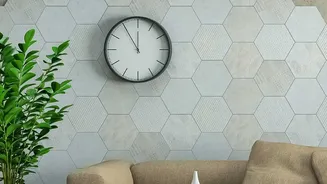
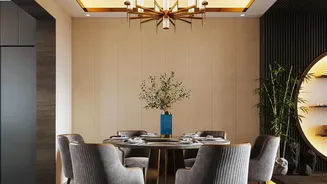
The heart of this new approach lies in the choice of surfaces. Instead of porous, high-maintenance materials, the focus is now on sleek, non-absorbent alternatives. For flooring, vitrified or porcelain tiles are increasingly popular due to their low porosity, making them resistant to water absorption and staining. Luxury vinyl flooring is another hero, offering the look of wood without the risk of warping. In kitchens and on tabletops, quartz and laminated surfaces are replacing natural stones that can be porous. These engineered materials are stain-resistant, easy to wipe down, and don't harbour moisture, preventing the growth of mould and mildew. The key is that these surfaces are not just functional; they come in a vast array of finishes and styles that mimic more delicate materials, offering resilience without compromising on design.
Beyond the Floor: Walls and Furniture
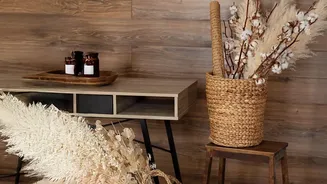
This shift extends to walls and furniture. Interior designers now strongly recommend moisture-resistant paints, such as acrylic or latex-based emulsions with a semi-gloss or satin finish. These paints create a protective film that prevents dampness from seeping into the walls and makes them easier to clean. For furniture, there's a move away from untreated solid wood and MDF, which can swell and disintegrate. Instead, the preference is for pieces made from treated hardwoods like teak, which has natural oils that repel water, or metals like powder-coated aluminium that don't rust. All-weather wicker, made from synthetic resin, offers the classic woven look but stands up to humidity far better than its natural counterpart.
Keeping it Warm and Cosy
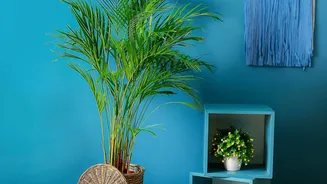
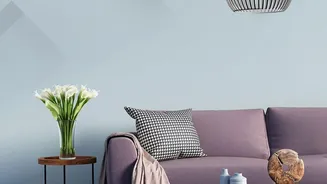
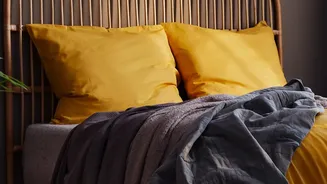
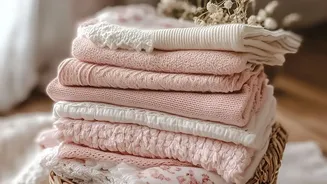
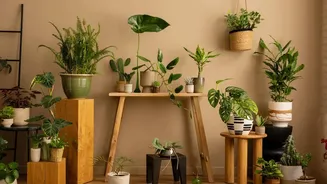
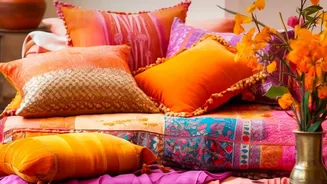
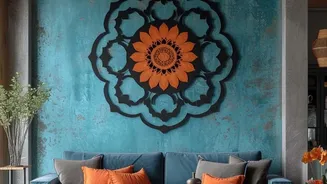
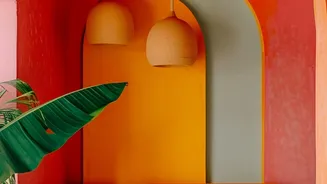
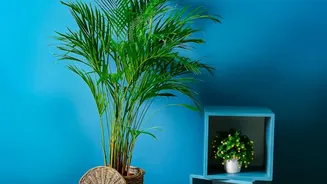
A common concern with hard, easy-care surfaces is that they can make a space feel cold or clinical. But the new monsoon decor addresses this with clever styling. To counteract the gloom of rainy days, interiors are being brightened with pops of warm colour like terracotta, mustard yellow, and deep oranges. Textiles play a crucial role, but the choices are strategic. Heavy velvets and silks are out; lightweight, quick-drying fabrics like polyester blends, sheer linens, and treated cottons are in. These are used for curtains, cushions, and throws, adding softness and colour without retaining moisture. Indoor plants that thrive in humidity, like peace lilies and snake plants, are used to bring life and freshness indoors, improving air quality and adding a natural, soothing element.