






An Insatiable Demand for Air Travel
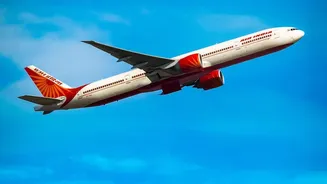
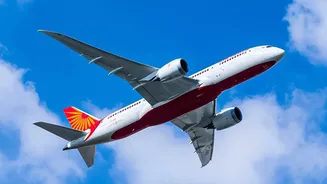
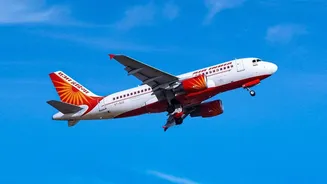
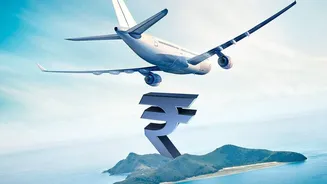
India's skies are booming. A rapidly growing economy, rising incomes, and an aspirational population have created an unprecedented demand for air travel. Projections show India's commercial aircraft fleet is set to grow at 7.1% annually over the next
decade, one of the fastest rates in the world. Minister Piyush Goyal noted that while Indian airlines have over 1,200 aircraft on order, the country's actual requirement is more than 2,000 planes, prompting readiness to order another 1,000 jets. This massive demand from carriers like IndiGo, Air India, and Akasa Air is a clear signal of the industry's long-term health and ambition. However, placing an order and getting a plane on the tarmac are two very different things.
The Global Supply Chain Squeeze
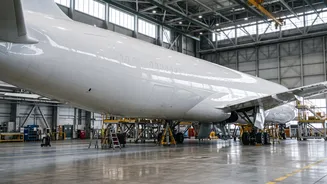
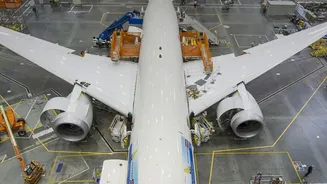
The core of the problem lies not in India, but in a strained global supply chain. The world's primary aircraft manufacturers, Airbus and Boeing, are facing immense production backlogs. These delays are compounded by shortages of critical components, from engines to smaller parts, which slows down the entire assembly line. For Indian airlines, this means that the massive orders they placed for hundreds of new aircraft in 2023 and beyond have delivery schedules stretching out for years, with some planes not expected to arrive until as late as 2034. The government is now actively pursuing these manufacturers for faster supplies to close the gap between demand and availability.
Grounded Planes and Engine Troubles
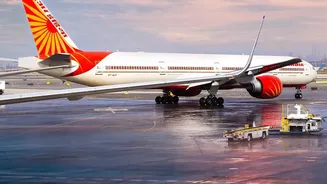
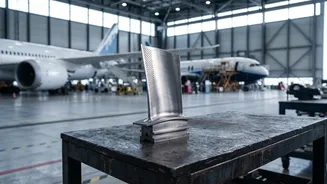
The shortage isn't just about new planes not arriving; it's also about existing planes that can't fly. A significant number of aircraft in India are currently grounded due to engine issues. Pratt & Whitney (P&W) engines, particularly those on the popular Airbus A320neo aircraft, have been plagued by a series of technical problems, including a 'powder metal' defect that requires extensive inspections and repairs. This has forced airlines, especially market leader IndiGo, to ground dozens of aircraft, taking a substantial portion of their fleet out of service. The crisis was a key factor in the collapse of Go First, which blamed the grounding of half its fleet on faulty P&W engines. While larger airlines like IndiGo have been able to better manage the disruption, the grounded planes represent a significant capacity loss for the entire industry.
What This Means for You, the Flyer
For passengers, this mismatch between soaring demand and constrained supply has a direct and noticeable impact: higher ticket prices. With fewer seats available, especially on popular routes, fares have been on an upward trend. The grounding of Go First in 2023 immediately led to a surge in prices on routes it used to service. The current aircraft shortage creates a capacity crunch that prevents airlines from adding more flights to meet demand, keeping prices elevated. Airlines are trying to mitigate this by extending leases on older aircraft and 'wet leasing' planes (renting both the aircraft and its crew) from foreign carriers as a stopgap measure, but these are temporary and costly solutions. Until the supply of new aircraft catches up with India's appetite for flying, passengers may have to contend with a high-fare environment.