







Defining ‘Simple’ in a Complex World
Before we go further, let’s clear up what ‘simple food’ means. It isn’t about eating boring or bland meals. Rather, it’s a return to food in its most understandable form. Think ingredients you can pronounce, recipes that don’t require a master’s degree
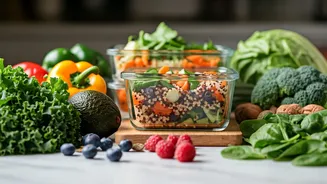
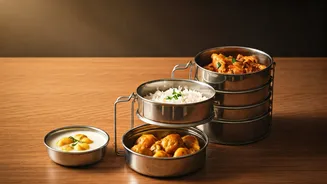
in chemistry, and meals that celebrate the natural flavour of their components. In the Indian context, this is the philosophy of *ghar ka khana* elevated to a conscious choice. It’s the humble dal-chawal, the seasonal sabzi, and the fresh roti. It’s choosing whole grains over refined flours, local vegetables over imported novelties, and appreciating a short ingredient list not as a limitation, but as a sign of quality and confidence. This shift re-frames simplicity from being a default for the unadventurous to a deliberate strategy for the discerning.
The Undeniable Health Dividend
The smartest choices are often those that benefit our long-term well-being, and this is where simple food truly shines. When you cook with basic, whole ingredients, you are in complete control. You know exactly how much salt, sugar, and oil goes into your meal. This is a stark contrast to many packaged and processed foods, which often contain hidden sugars, unhealthy fats, and a host of preservatives to extend shelf life. A diet rooted in simple, unprocessed foods is consistently linked to better gut health, stable energy levels, and a lower risk of chronic lifestyle diseases. It’s not about demonising any single ingredient, but about embracing a pattern of eating that nourishes the body without overwhelming it with artificial additives and complex industrial compounds.
An Antidote to Decision Fatigue
Our modern lives are saturated with choices, from what to watch on streaming platforms to which of the 20 types of mustard to buy. This constant decision-making leads to a very real phenomenon: decision fatigue. The world of food has become a primary source of this stress. Should you be gluten-free, keto, or paleo? Is this superfood really worth the price? Simple food offers a powerful escape from this noise. By building your meals around a familiar rotation of seasonal, local produce, you dramatically reduce the mental load associated with eating. There’s a calming, grounding effect to knowing how to turn a handful of simple ingredients into a comforting meal. It’s a form of mindfulness, connecting us back to our senses and freeing up mental energy for other parts of our lives.
Your Wallet Will Thank You
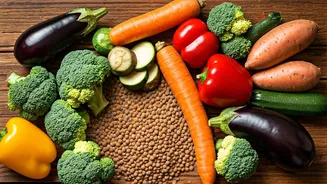
Let’s not ignore the powerful economic argument. As food prices continue to climb, making smart financial choices is more important than ever. Simple food is, by its very nature, budget-friendly. Seasonal vegetables and local grains are almost always cheaper than out-of-season produce, imported specialities, and highly processed ready-to-eat meals. Cooking at home from scratch drastically cuts down on the high costs of ordering in or eating out. A bag of lentils, some rice, and a few common spices can form the base of dozens of nutritious, affordable meals. In an era of rising inflation, adopting a simpler approach to food isn't just a wellness trend; it's a savvy financial strategy that pays dividends with every meal.
Reclaiming Ancestral Wisdom
Perhaps the most compelling part of this trend is that it’s not new at all. It’s a rediscovery of the wisdom our grandparents and great-grandparents lived by. They didn’t need nutrition labels to know that a balanced thali of dal, sabzi, roti, and rice was a complete meal. They understood seasonality not as a trend, but as a law of nature that provided the most flavourful and nutritious produce at the right time. This return to simplicity is a nod to that ancestral knowledge. It’s about understanding that traditional food systems were built around sustainability, health, and flavour long before these became marketing buzzwords. By choosing simple food, we are not just making a smart choice for ourselves, but also honouring a legacy of culinary wisdom.