



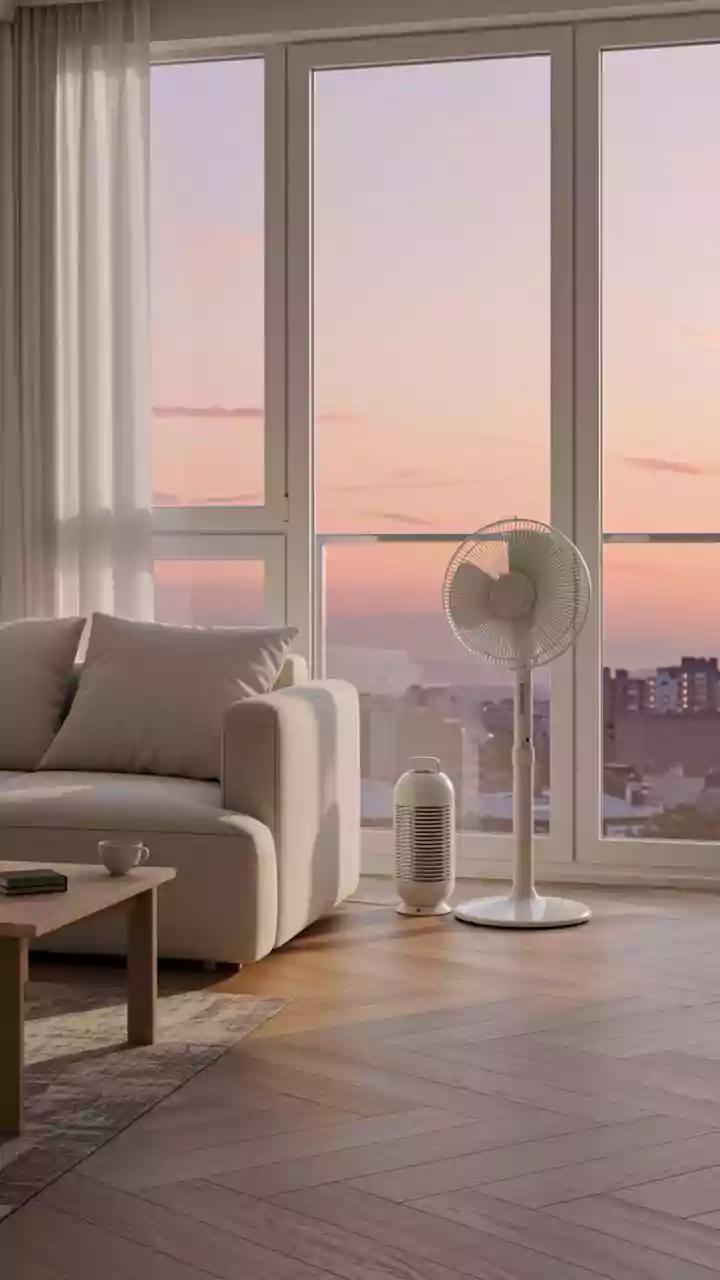




When the air quality index (AQI) outside spikes into the hazardous zone, your home should be a sanctuary. But outdoor pollutants can easily find their way inside. Here are practical, effective steps to improve your indoor air and breathe easier.
Seal Your Home from the Outside
Your first
line of defence is to stop polluted air from entering. Keep all windows and doors shut. Check for any gaps or cracks around window frames and door jambs where outside air might leak in. Simple solutions like applying weather-stripping or caulk can make a significant difference. Even rolling up a towel and placing it at the bottom of a door can help block drafts. Pay special attention to fireplace dampers, which can be a major entry point for outside air; ensure they are tightly closed when not in use.
Invest in a High-Quality Air Purifier
An air purifier is your most powerful tool for actively cleaning the air inside a room. When shopping for one, the two most important features to look for are a HEPA (High-Efficiency Particulate Air) filter and an appropriate CADR (Clean Air Delivery Rate) for your room size. A HEPA filter is designed to capture 99.97% of tiny particles, including the dangerous PM2.5 found in smoke and smog. The CADR indicates how quickly the purifier can clean a room; aim for a model rated for a slightly larger area than your room to ensure it can keep up during heavy pollution events. Run the purifier continuously in the room where you spend the most time, such as your bedroom.
Don't Add to Indoor Pollution
It's crucial to avoid activities that generate more pollutants inside your home. Refrain from burning candles, incense sticks (agarbatti), or dhoop, as these release smoke and particulate matter directly into your air. Be mindful of cooking methods; frying and broiling can create a lot of indoor smoke and fumes. If you must cook this way, use an exhaust fan, but only for the necessary duration. Also, avoid using aerosol sprays and harsh chemical cleaning products, which can release Volatile Organic Compounds (VOCs) that further degrade air quality.
Use Exhaust Fans Wisely
Kitchen and bathroom exhaust fans are designed to pull air out of your home. Under normal conditions, this is great for ventilation. But when the outdoor AQI is hazardous, running an exhaust fan creates negative pressure that actively pulls polluted outdoor air into the house through any available crack or opening. Therefore, limit their use. Turn them on only when necessary—like during cooking or showering—and turn them off as soon as you're done. Never use a whole-house fan during a pollution event, as it will rapidly fill your home with contaminated air.
Clean Surfaces with a Damp Cloth
Harmful particles from smoke and pollution don't just stay in the air; they settle on every surface in your home. Dry dusting or sweeping can kick these particles right back into the air where you can inhale them. The most effective method is to clean surfaces using a damp cloth or a wet mop. This technique traps and removes the dust and particulate matter instead of just redistributing it. Regularly wiping down floors, furniture, and other flat surfaces can significantly reduce the overall load of pollutants in your indoor environment.
Understand the Role of Indoor Plants
While many believe that houseplants are natural air purifiers, their actual impact on cleaning a room's air of pollutants like PM2.5 is minimal. While plants can offer mental health benefits and add beauty to a space, you would need an impractically large number of them to make a noticeable difference in air quality. Relying on a few potted plants to combat hazardous AQI is not an effective strategy. It's also important not to overwater them, as damp soil can promote mold growth, which is another indoor air pollutant. Focus on sealing, purifying, and cleaning as your primary methods.
Monitor Your Indoor Air
To understand if your efforts are working, consider getting a home air quality monitor. These devices provide real time readings of PM2.5 and other pollutants inside your home. This allows you to see the direct impact of opening a window, cooking, or running your air purifier. Seeing the numbers can help you identify sources of indoor pollution and confirm that your clean room is genuinely a safe space for your family to breathe freely.