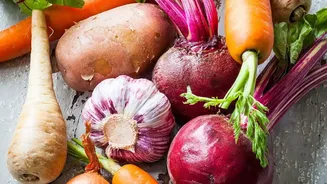




The Science of Seasonal Eating
Before we dive into the delicious winter bounty, it is important to understand why nutrition experts champion this approach. First, produce that is harvested in its natural season is allowed to ripen fully on the plant, which often means it's more nutrient-dense.
Fruits and vegetables picked at their peak can have higher levels of vitamins, antioxidants, and other essential compounds. Second, rotating the foods you eat introduces a wider variety of fibres and phytonutrients into your diet. This diversity is crucial for a healthy gut microbiome, which is linked to everything from better digestion to a stronger immune system. Eating seasonally provides a natural way to ensure this rotation, as you shift from summer berries to winter roots. This approach aligns our bodies with nature's rhythm, providing the specific nutrients we need most during different times of the year, like immune-boosting vitamin C in winter.
1. Carrots (Gajar)
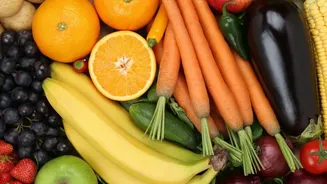
Vibrant red carrots are a hallmark of Indian winters for a reason. They are packed with beta-carotene, which the body converts into Vitamin A. This vitamin is essential for robust immunity, helping to maintain the protective barriers in our respiratory tract to ward off common colds and flu. Vitamin A is also famously crucial for eye health, protecting vision and preventing dryness. Furthermore, the high fibre content in carrots aids digestion and promotes a feeling of fullness, which can help with weight management during a season often marked by heavier foods.
2. Spinach (Palak)
Spinach, or palak, is a nutritional powerhouse that thrives in the cooler months. It's an excellent source of plant-based iron, which is vital for transporting oxygen in the blood and preventing the fatigue associated with anaemia. It is also loaded with Vitamin K, calcium, and magnesium, all of which work together to support strong and healthy bones. For those managing blood sugar, spinach contains an antioxidant called alpha-lipoic acid, which has been shown to improve insulin sensitivity. Its high fibre content also supports a healthy digestive system, preventing issues like constipation.
3. Mustard Greens (Sarson)
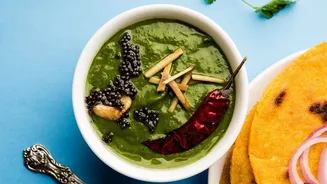
The key ingredient in the iconic winter dish 'Sarson ka Saag', mustard greens are prized for their warming properties and peppery taste. They are exceptionally rich in Vitamin C and Vitamin A, two powerful antioxidants that bolster the immune system against seasonal infections. Sarson is also one of the best plant-based sources of Vitamin K, which is essential for bone health and proper blood clotting. In traditional medicine, these greens are recommended during the cold season for their ability to help clear mucus from the respiratory system. The fibre in mustard greens also aids digestion, which can naturally slow down in colder weather.
4. Fenugreek Leaves (Methi)
Fresh fenugreek leaves are a winter staple known for their distinct flavour and impressive health benefits. Methi is particularly noted for its ability to help regulate blood sugar levels, making it beneficial for individuals with diabetes. These leaves are also believed to have warming properties, helping to maintain body temperature during colder days. Rich in fibre, methi aids in digestion and can contribute to weight management by promoting a sense of fullness. Plus, its anti-inflammatory properties can help soothe sore throats and coughs, common winter ailments.
5. Radish (Mooli)
Crunchy and pungent, radish is a humble root vegetable that shines in winter. It is an excellent source of Vitamin C, a key nutrient for a strong immune system to fight off colds and flu. Mooli is rich in dietary fibre, which helps maintain a healthy digestive system and prevents winter constipation. Its high potassium content helps in managing blood pressure. Traditionally, radish is considered to have anti-congestive properties that can help clear sinuses and relieve respiratory discomfort during the flu season.
6. Amla (Indian Gooseberry)
Amla is a true superfood of the winter season. It is one of the most potent natural sources of Vitamin C, containing up to 20 times more than an orange. This makes it incredibly effective for boosting immunity and protecting the body against common winter illnesses like coughs and colds. Its high antioxidant content also helps fight free radicals, promoting radiant skin and healthy hair, which can often become dry and dull in winter. Amla also supports digestion, helping to balance stomach acids and improve nutrient absorption, which is especially useful when consuming rich winter meals.
7. Guava (Amrood)
While many associate winter with vegetables, the season also brings forth delicious fruits like guava. This fruit is another Vitamin C powerhouse, containing even more of the immune-boosting vitamin than oranges. This helps strengthen your body's defence against infections. Guavas are also exceptionally high in dietary fibre, which aids in digestion, prevents constipation, and helps maintain stable blood sugar levels. The magnesium in guavas can also help the body relax and de-stress, offering a way to combat the 'winter blues'.