






The Green Guardians of Your Home
When the air outside is thick with smog, our homes become our primary sanctuaries. Yet, indoor air can be surprisingly polluted, filled with compounds from paint, furniture, and cleaning products. This is where certain houseplants can play a role. While
not a replacement for powerful air purifiers, specific plants like the Snake Plant and Areca Palm are celebrated for their ability to filter common toxins and improve the air we breathe. They offer a natural, aesthetically pleasing way to support a healthier indoor environment, which is especially welcome during Delhi's high-pollution months.
The Resilient Snake Plant
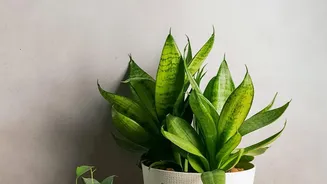
The Snake Plant, or Sansevieria, is the ultimate low-maintenance hero for city apartments. It's famously hard to kill, thriving in low light and requiring minimal watering. But its real superpower lies in its air-purifying capabilities, as identified in a landmark 1989 NASA study. The plant is effective at absorbing harmful toxins like formaldehyde, benzene, xylene, and toluene from the air. What makes it particularly special for bedrooms is its use of a process called Crassulacean Acid Metabolism (CAM). Unlike most plants, it releases oxygen at night, which can contribute to a fresher sleeping environment.
The Lush Areca Palm
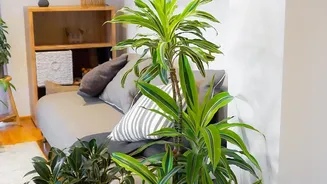
Often called the 'Butterfly Palm', the Areca Palm brings a touch of tropical elegance to any room. But it's much more than just a pretty face. The Areca Palm is one of the most efficient air-purifying plants, known for its ability to remove pollutants like formaldehyde and xylene. Its dense, feathery fronds offer a large surface area for filtering air. Moreover, it acts as a natural humidifier. Through a process called transpiration, a mature Areca Palm can release a significant amount of moisture into the air, combating the dryness caused by air conditioners and heaters, a common issue in Delhi-NCR homes.
How Do They Actually Work?
The science behind this green magic is a process called phytoremediation. Plants absorb small amounts of gaseous pollutants through the pores on their leaves, known as stomata. These toxins are then transported to the root zone, where microbes in the soil can help break them down. The famous NASA Clean Air Study demonstrated these abilities in sealed laboratory chambers, showing that plants like the Snake Plant and Areca Palm could effectively remove chemical toxins from the environment.
A Breath of Fresh, Realistic Air
It's important to have realistic expectations. The original NASA study was conducted in a sealed, controlled environment. In a typical, ventilated apartment, you would need a large number of plants—sometimes estimated between 10 to 1,000 per square meter—to match the cleaning power of a good air purifier. Recent analyses clarify that while plants do clean the air, their impact in a large, airy room is much slower and less dramatic than that of a mechanical filter. Think of these plants not as a sole solution, but as beautiful, living supplements. They are part of a broader strategy for a healthier home that also includes ventilation and, during severe smog, the use of air purifiers.
Caring For Your Green Friends
The good news is that both plants are relatively easy to care for in the Indian climate. The Snake Plant is incredibly drought-tolerant; it's more at risk from overwatering than underwatering. Let the soil dry out completely between waterings. It's happy in a corner with low light but will also tolerate brighter spots. The Areca Palm prefers bright, indirect sunlight, so a spot near a window but out of the harsh direct sun is ideal. It likes its soil to be consistently moist but not waterlogged. Keeping these plants healthy will maximize their psychological and air-filtering benefits.