







Monsoon Arrives with Intensity
The southwest monsoon officially entered Rajasthan on July 2, 2026, about a week later than its usual onset date. While the arrival brought relief from the summer heat, the India Meteorological Department (IMD) has cautioned that this will be an active
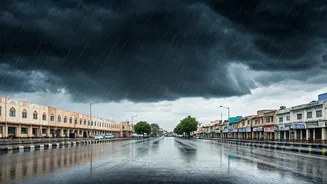
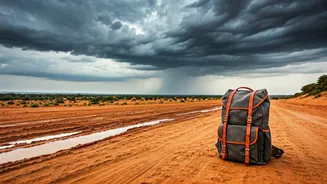
spell. Heavy to extremely heavy downpours are forecast for the coming week, particularly in the eastern and southeastern parts of the state. The IMD has issued warnings for several districts, with divisions like Kota, Udaipur, Jaipur, Bharatpur, and Ajmer expected to see widespread rainfall, thunderstorms, and strong winds. Authorities are warning of potential waterlogging and localized flooding, especially in low-lying areas.
Why Your Itinerary Needs a Rethink
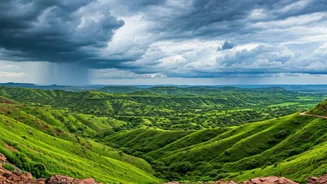
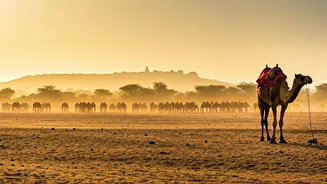
The allure of monsoon in Rajasthan is undeniable—the arid hills turn a lush green, lakes fill to the brim, and the palaces glisten under fresh rain. However, the current weather pattern poses real challenges for travelers. Intermittent but intense rainfall can lead to travel disruptions. Rural roads can become temporarily impassable, and even major highways may experience delays. Outdoor activities like desert safaris, trekking, and extensive fort explorations can be cancelled or become hazardous. For example, while the dunes in Jaisalmer see less rain, getting there can be an issue, and some national park zones close entirely during the peak monsoon. The combination of rain and increased humidity also requires a different approach to sightseeing.
How to Build a 'Weather Buffer'
A 'weather buffer' is extra time and flexibility built into your schedule to absorb unexpected delays without derailing your entire trip. First, add at least one or two extra days to your itinerary for each major location. This allows you to wait out a heavy downpour without missing a key experience. Second, prioritize flexible bookings. Opt for hotels and transport that offer free cancellation or easy rescheduling. This prevents financial loss if a flash flood or road closure forces a last-minute change of plans. Finally, have a list of indoor backup activities. If a morning of fort exploration is rained out, you can pivot to a museum, a cooking class, or exploring local markets, which are often more pleasant with fewer crowds this time of year.
Smarter Routes for Monsoon Travel
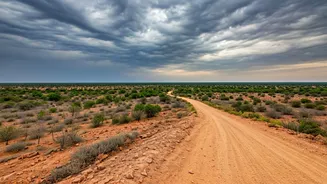
Certain parts of Rajasthan are better suited for monsoon travel than others. The southeastern region, while receiving more rain, becomes exceptionally beautiful. Udaipur, the 'City of Lakes', is a prime example, with its lakes full and palaces reflected in the water. Similarly, Mount Abu, the state's only hill station, becomes a cool, misty, and verdant retreat. Bundi is another gem, famous for its overflowing stepwells during the rains. In contrast, while the western desert regions like Jaisalmer and Bikaner receive less rainfall, the journey to these more remote areas can be unpredictable. Focusing your trip on the well-connected and lush southeastern circuit can provide a more reliable and equally rewarding experience.
Pack for Rain, Not Just Royalty
Your packing list for a monsoon trip to Rajasthan will look different from a winter one. Lightweight, quick-drying clothes are essential due to the high humidity. A reliable raincoat or poncho and a sturdy umbrella are non-negotiable. For footwear, choose waterproof sandals or shoes with good grip, as ancient stone pathways in forts and palaces can become very slippery when wet. Mosquitoes are more active after the rains, so a good insect repellent is a must-have. Also, consider bringing a waterproof bag or cover for your electronics and a power bank, as weather-related power cuts can occasionally happen in more rural areas.