





Why Low-Impact Is a Smart Choice
Low-impact exercise is defined by movements where at least one of your feet remains on the ground. This approach dramatically reduces the stress and jarring force on your joints, particularly your ankles, knees, and hips. It's an excellent strategy for anyone
managing joint pain, recovering from an injury, or simply seeking a more sustainable way to train. But low-impact does not mean low-intensity. You can still achieve a high heart rate and significant cardiovascular benefits, making it an effective and safe option for nearly all fitness levels. By focusing on controlled movements, you can improve mobility, build strength, and enhance endurance while minimising the risk of overuse injuries.
The Secret: Manipulating Intensity
If you're not jumping, how do you spike your heart rate? The key lies in manipulating other variables. First, increase your speed. Performing movements faster requires more energy and oxygen, which naturally elevates your heart rate. Second, focus on your range of motion. Deeper squats, longer lunges, and fuller extensions make your muscles work harder through a greater distance. Finally, engage your largest muscle groups—think glutes, quads, and your core. The more muscle you recruit for a movement, the more oxygen your body demands, forcing your heart to pump faster to keep up. Combining these principles allows you to control the intensity and get a vigorous workout that is both safe and effective.
The Move: Modified Burpees
The burpee is famous for its intensity, but the jumping components can be tough on the joints. The no-jump version delivers a fantastic full-body challenge without the impact. Start standing, then squat down and place your hands on the floor. Instead of jumping your feet back, step one foot back at a time into a high plank position. Hold for a moment, ensuring your core is engaged. Then, step each foot forward again, returning to your squat. From there, stand up tall, reaching your arms overhead. To increase the intensity, simply perform the sequence faster, moving fluidly from one position to the next.
The Move: Mountain Climbers
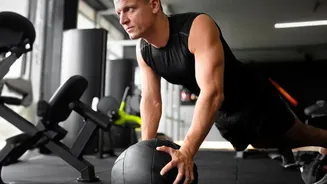
This core-shredding exercise is a brilliant way to raise your heart rate quickly. Start in a high plank position with your hands directly under your shoulders and your body in a straight line. Instead of running your knees in, you’ll perform a more deliberate, 'walking' motion. Bring your right knee toward your chest, then return it to the starting position. Immediately follow by bringing your left knee toward your chest. Keep your hips low and your core tight throughout. The pace determines the intensity; a faster, more urgent pace will send your heart rate soaring while remaining a low-impact movement.
The Move: Speed Skaters
Speed skaters, or lateral skaters, are excellent for building cardiovascular endurance and challenging your balance and stability. Start in a slight squat. Leap sideways to your right, landing softly on your right foot while your left leg swings behind you. Reach your left hand toward your right foot. Immediately push off your right foot to leap sideways to the left, landing on your left foot as your right leg swings behind. This dynamic, side-to-side motion engages your leg and glute muscles powerfully. The key is to stay low and absorb the landing, then explode into the next movement. The continuous, fluid motion keeps your heart working hard.
The Move: Squat to Punch
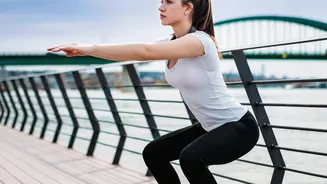
Combining a lower-body staple with an upper-body action is a surefire way to increase demand on your cardiovascular system. Stand with your feet shoulder-width apart. Lower into a squat, keeping your chest up and your weight in your heels. As you push back up to standing, throw a cross-body punch with your right arm, pivoting on your back foot. Sink back into your squat and, as you rise, punch with your left arm. The combination of the large muscles worked in the squat with the explosive, rotational power of the punch creates a full-body exercise that will leave you breathless without ever leaving the floor.