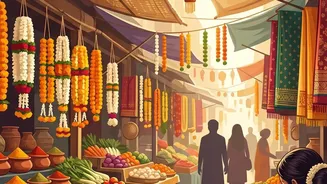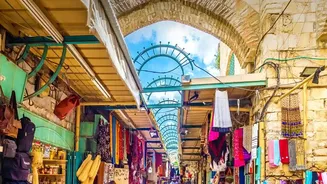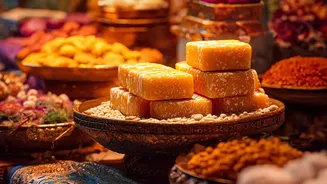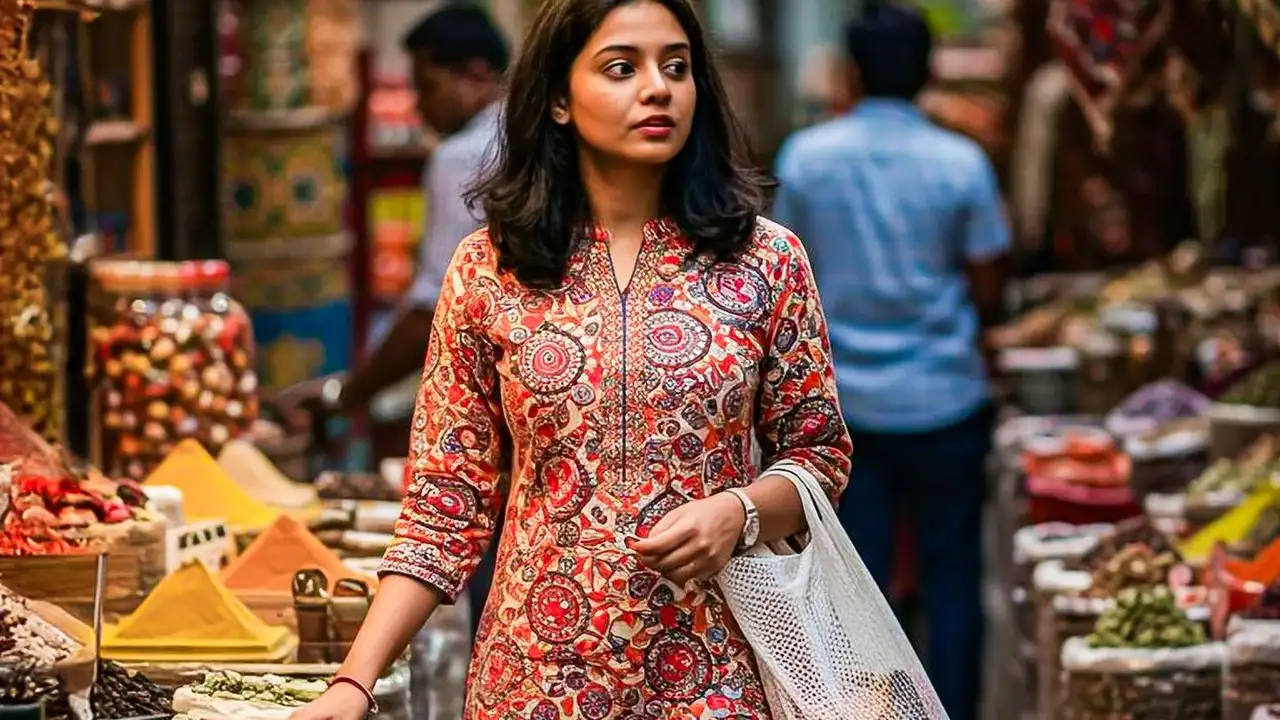






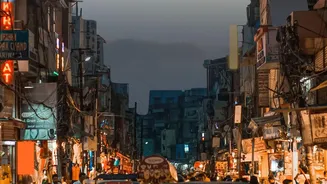
In an era dominated by one-click shopping, a different kind of retail therapy is captivating India's urban youth. They are logging off and stepping out, seeking something more tangible than a digital cart: the vibrant, sensory world of local markets.
The Allure of Authenticity
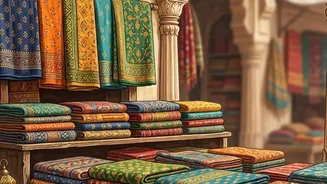
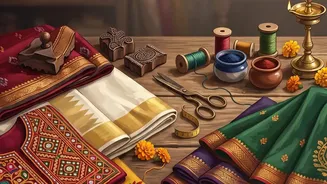
For a generation that grew up with mass-produced goods and global brands, there is a growing desire for products with a story. Young consumers, particularly Millennials and Gen Z, are increasingly looking for items that feel personal and unique. This search for authenticity is a reaction against the uniformity of mainstream retail. Instead of a logo from a global chain, they want a piece of pottery shaped by a local artist or a handloom textile with a regional identity. This isn't just about owning something different; it's about connecting with the object's origin and the creator's story. In a world of fleeting digital trends, a handmade product offers a sense of permanence and a tangible link to a craft tradition.
More Than a Purchase, It’s an Experience
Unlike the sterile efficiency of a shopping mall or an e-commerce site, local artisan markets are immersive experiences. They are bustling hubs of activity, often featuring live music, delicious food, and the chance to interact directly with creators. For many young city dwellers, a trip to a weekend flea market is a social outing—a place to meet friends, discover new things, and soak in a creative atmosphere. This experiential aspect is crucial. It transforms shopping from a simple transaction into a memorable event. Consumers can watch an artisan at work, ask questions about their craft, and understand the effort that goes into each piece. This direct interaction builds a relationship of trust and appreciation that online algorithms cannot replicate.
A Vote for Conscious Consumption
The shift towards local markets is also driven by a deeper value system. Younger generations are increasingly aware of the environmental and ethical implications of their purchases. Supporting local artisans is seen as a more sustainable choice. Handmade goods often use fewer resources, generate less waste, and have a smaller carbon footprint compared to mass-produced items shipped across the globe. This movement is tied to a 'localism' mindset, where consumers actively choose to support their local economies. Research indicates a significant preference for homegrown brands among Indian consumers, with many willing to pay more for products that are eco-friendly and have a positive social impact. By buying directly from an artisan, consumers ensure that a larger portion of the money goes to the person who made the product, contributing to the livelihood of India's estimated 7 million artisans.
Empowering a New Generation of Entrepreneurs
These markets are not just a boon for shoppers; they are vital platforms for a new wave of lifestyle entrepreneurs and traditional craftspeople. For a small business or an independent artist, setting up a permanent retail store can be prohibitively expensive. Flea markets and artisan collectives offer a low-risk, affordable way to test products, get direct customer feedback, and build a brand. They serve as incubators for creativity, allowing artisans to experiment with designs that blend traditional techniques with contemporary tastes. This direct-to-consumer model, sometimes supplemented by a social media presence, empowers creators to retain control over their work and build a loyal customer base without relying on middlemen who often squeeze their profits.