





A New Calculus of Risk and Reward
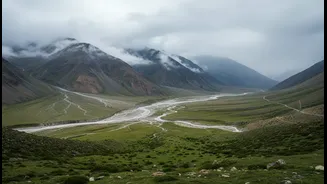
For decades, the Indian monsoon has been synonymous with trips to lush green hill stations like Shimla, Manali, and Mussoorie. Yet, recent years have painted a grim picture. Increasingly erratic and intense rainfall has turned these beloved destinations
into high-risk zones. News headlines during the monsoon are now dominated by reports of landslides, blocked highways, and stranded tourists. The very slopes that offer scenic beauty become fragile and treacherous, with major tourist corridors like the Kullu-Manali stretch and routes in Uttarakhand frequently disrupted. This has forced a rethink among travellers, especially younger ones who are digitally connected and highly aware of the risks. They are beginning to weigh the fleeting charm of a rain-soaked holiday against the very real dangers involved.
Enter Spiti: The Allure of the Cold Desert
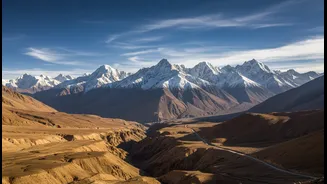
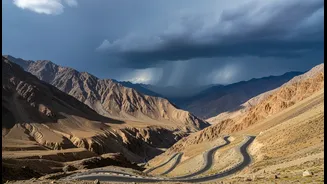
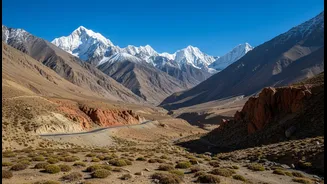
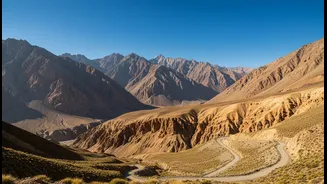
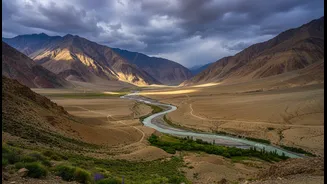
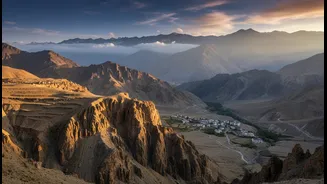
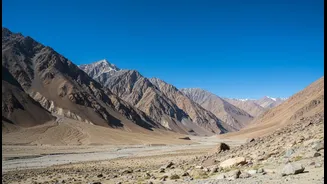
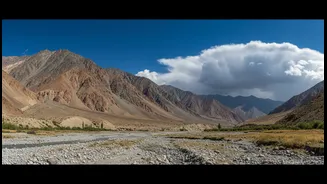
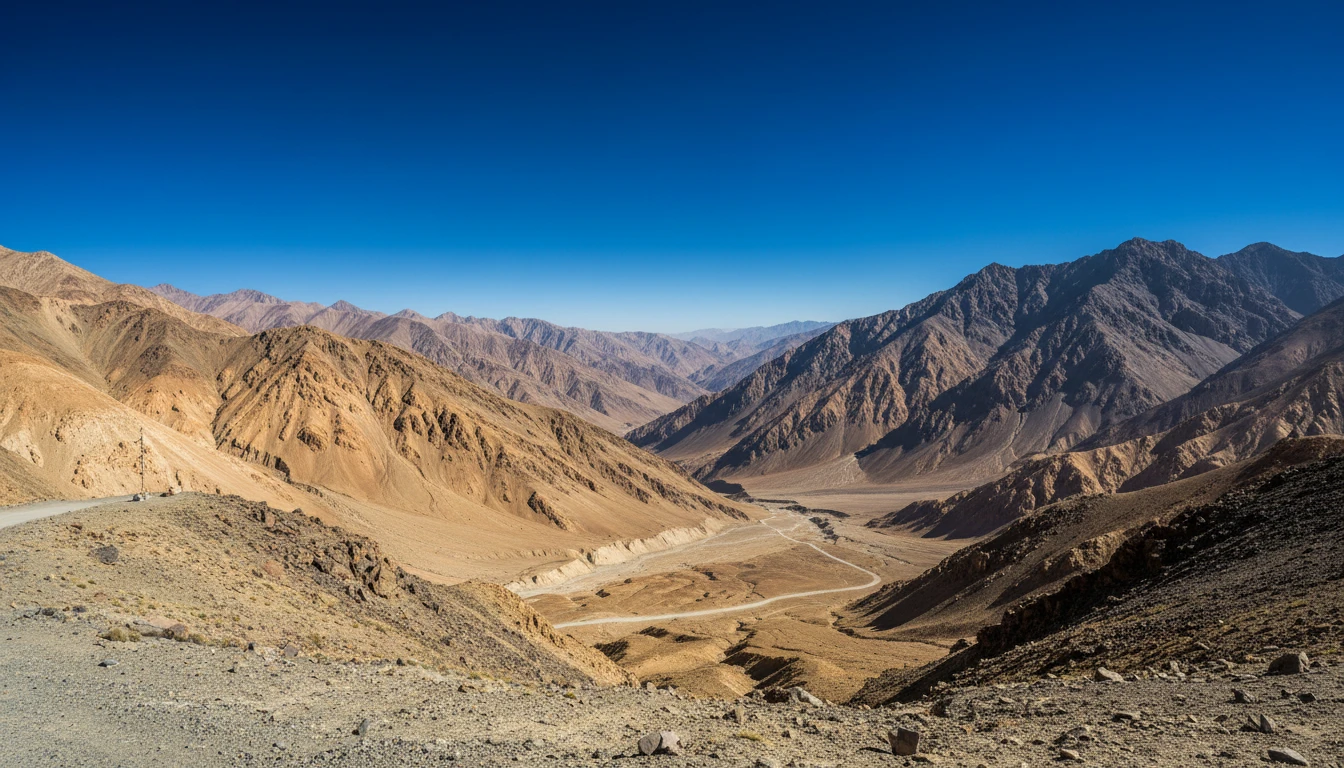
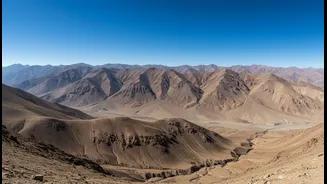
In stark contrast to the rain-lashed green hills, Spiti Valley in Himachal Pradesh offers a completely different proposition. Geographically, it is a cold desert, situated in the rain-shadow of the Himalayas. This means that while the rest of the country is drenched by the monsoon, Spiti remains largely dry, receiving minimal rainfall. Its landscape is not one of verdant forests but of barren, dramatic mountains, deep gorges, and vast, open skies. This raw, almost otherworldly terrain, often compared to the moon, provides a powerful visual and experiential alternative. For travellers tired of the crowds and predictability of mainstream destinations, Spiti's starkness feels authentic and unspoiled.
Adventure Over Amenities
The preference for Spiti is part of a larger trend among Gen Z and millennial travellers who prioritise experiences over comfort. They are increasingly seeking out offbeat destinations that promise genuine adventure and a sense of discovery. Spiti delivers this in spades. The journey itself is an adventure, involving high-altitude passes and challenging roads. The destination offers raw experiences like staying in centuries-old monasteries, camping by the iconic Chandratal Lake, and exploring some of the world's highest inhabited villages. This kind of travel, which pushes you out of your comfort zone, is seen as more rewarding and personally transformative than a conventional holiday. It's a shift from seeking relaxation to seeking growth and stories worth telling.
The Instagram Factor and Disconnection
In the age of social media, travel is also a form of self-expression. A trip to Spiti, with its unique and dramatic landscapes, offers visual 'bragging rights' that are hard to replicate. The photos are not of generic green hills but of a stark, powerful environment that signals a more adventurous and discerning traveller. Paradoxically, while the destination is highly photogenic, it also offers a genuine disconnect. Mobile networks are patchy at best, forcing a digital detox. This opportunity to unplug from the constant noise of daily life and connect more deeply with the surroundings and local culture is a significant draw for a generation feeling burnt out by hyper-connectivity.
Not a Trip for the Faint-Hearted
However, choosing Spiti is not without its challenges, and this difficulty is part of its appeal. The journey requires careful planning. Acute Mountain Sickness (AMS) is a real risk due to the high altitude, averaging over 12,000 feet. Amenities are basic compared to commercial hill stations; hot showers and reliable electricity are luxuries, not givens. The roads are demanding and can be blocked, requiring buffer days in the itinerary. Travellers must be prepared for extreme temperatures, even in summer, and carry sufficient cash as ATMs are scarce and often don't work. But for its target audience, these are not deterrents but filters—they ensure that those who make it to Spiti are fellow travellers who are prepared, respectful, and genuinely seeking adventure.