



1. Satellite and Launch Vehicle Manufacturing
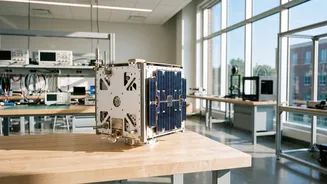
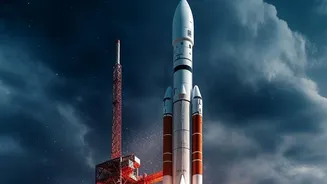
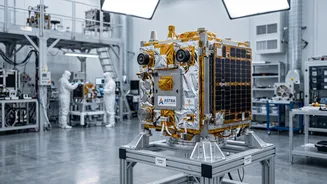
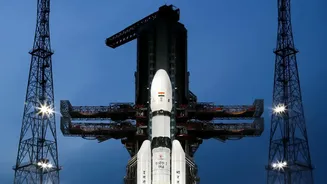
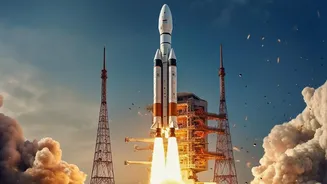
The most visible part of the new space race is the hardware. Companies like Skyroot Aerospace and Agnikul Cosmos are building rockets to launch small satellites, while others like Dhruva Space are mastering satellite platforms. This has created a massive
demand for engineers of all stripes: aerospace, mechanical, electronics, and propulsion specialists are needed to design, build, and test these complex machines. Beyond the headline rocket companies, a vast ecosystem of component manufacturers is also growing, needing skilled technicians and engineers for everything from avionics to power systems. These roles are hands-on, fast-paced, and offer the chance to see your work literally take flight.
2. Space Data Analytics and GIS
One of the fastest-growing fields isn't about leaving Earth, but about understanding it better from above. Earth observation satellites generate petabytes of data daily. This information is gold for sectors like agriculture, urban planning, disaster management, and finance. Companies such as Pixxel and SatSure are at the forefront, hiring satellite data analysts, remote sensing experts, and GIS specialists to turn this raw data into valuable insights. Professionals in this domain often have backgrounds in computer science, geography, or environmental science, and are skilled in programming languages and machine learning to analyze imagery and signals.
3. Mission Operations and Ground Segment
A satellite or rocket is only useful if you can communicate with it. The ground segment—comprising mission control centres, tracking stations, and communication networks—is a critical part of any space operation. This field requires mission operations specialists, ground systems engineers, and software developers to manage active spacecraft, troubleshoot issues, and ensure seamless data flow. As hundreds of new private satellites are planned for launch, the need for robust and scalable ground infrastructure is exploding, creating stable, long-term technical careers that are essential to the entire space ecosystem.
4. Space Law, Policy, and Business Development
As the space sector gets more crowded and commercialised, it needs more than just engineers. Who is liable if one private satellite collides with another? How do companies navigate international treaties and secure launch licenses? This is where space lawyers and policy experts come in, working with regulatory bodies like IN-SPACe or advising startups on compliance. Furthermore, every startup needs a team to build the business. Roles in business development, finance, sales, and marketing are crucial for securing investment, winning contracts, and finding customers. Companies like Dhruva Space, for instance, list openings for Bid Managers right alongside engineers, showing that commercial acumen is as valued as technical skill.
5. Space Education and Communication
The excitement around India's space achievements has ignited curiosity across the nation. This has opened doors for careers in space education, journalism, and communications. Companies are looking for people who can explain complex technology in simple terms. Space-focused education startups need program managers and consultants to inspire the next generation. Technical writers are required to create documentation, while visual designers and content creators help build brands and communicate missions to the public. These roles prove that a passion for space, combined with skills in communication or design, can also be a ticket to joining India’s exciting journey to the stars.