




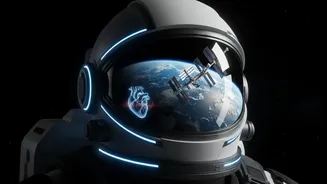



Meet the Modern Astronaut
Dr. Anil Menon is not just an astronaut; he's a physician, engineer, and U.S. Space Force colonel, representing a new generation of multi-talented space explorers. Born in Minnesota to Indian and Ukrainian immigrants, Menon's resume is tailor-made for
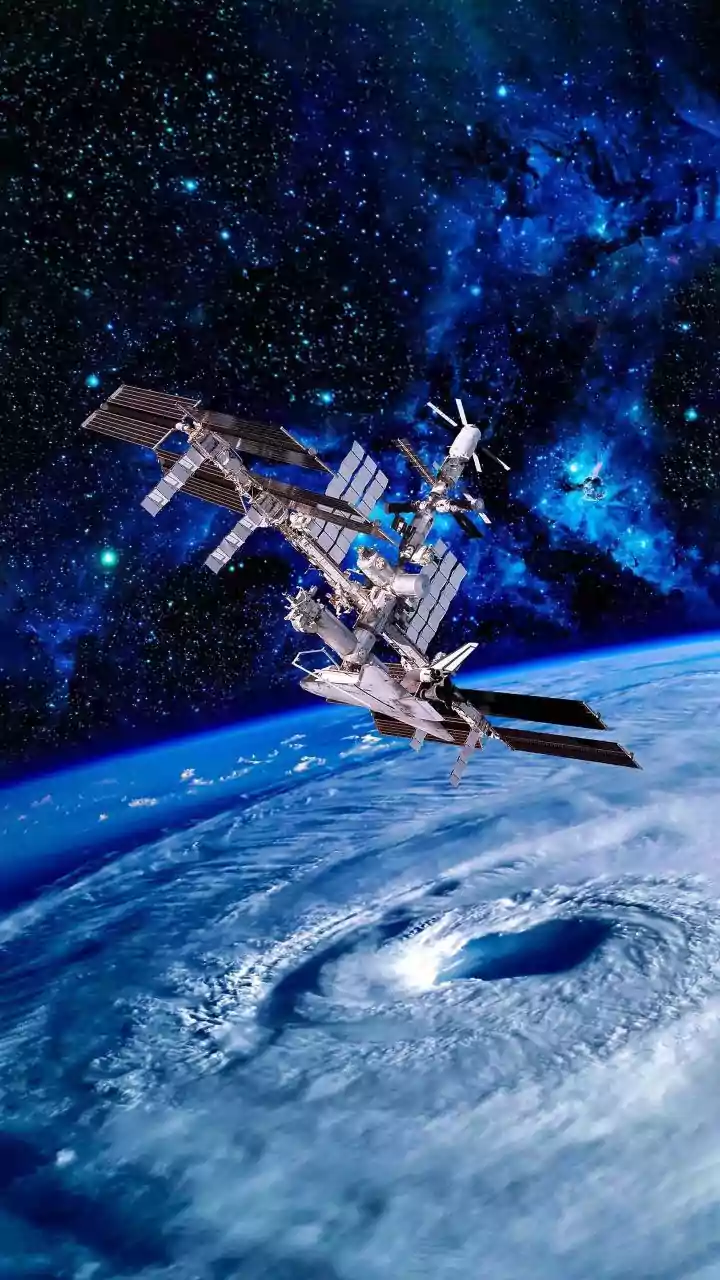
the final frontier. He holds degrees in neurobiology, mechanical engineering, and medicine from Harvard and Stanford. Before joining NASA's 2021 astronaut class, he was a first responder in disasters in Haiti and Nepal, served as a flight surgeon in the Air Force, and was even SpaceX's first-ever flight surgeon. In that role, he helped launch the company's first astronauts into orbit during the historic Demo-2 mission and built the medical organisation to support future crews. His diverse background makes him uniquely qualified for his upcoming eight-month mission aboard the ISS, scheduled to launch in July 2026.
What Exactly Is Space Medicine?
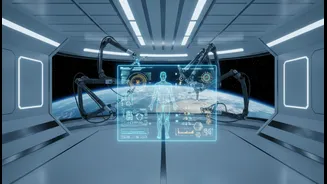
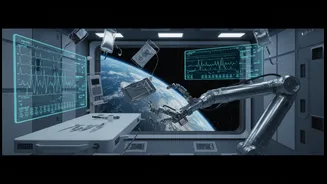
Space medicine is a highly specialized field dedicated to keeping astronauts safe and healthy in an environment that is fundamentally hostile to the human body. It’s a subspecialty of emergency and aerospace medicine that focuses on the prevention, diagnosis, and treatment of conditions arising from spaceflight. Think of it as the ultimate form of remote healthcare. On Earth, a medical emergency means calling for an ambulance; in orbit, there is no hospital around the corner. Physicians like Menon must prepare for everything, from common illnesses to major emergencies, with limited equipment and no possibility of immediate evacuation. The field isn't just about treating problems as they arise. It’s primarily about prevention and understanding the unique stressors of space—microgravity, radiation, isolation, and confinement—to mitigate their effects on the human body.
The Body in a Zero-G World
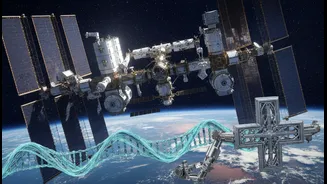
Without the constant pull of Earth's gravity, the human body begins to change in profound ways. Astronauts face a range of health risks, including significant muscle atrophy and bone density loss, as the body no longer needs to support its own weight. This condition, known as spaceflight osteopenia, is a major focus of research. The cardiovascular system also adapts, with fluids shifting toward the head, which can cause vision problems known as Spaceflight Associated Neuro-ocular Syndrome (SANS). Beyond microgravity, cosmic radiation poses a serious long-term risk, increasing the chances of cancer and potentially damaging the central nervous system. The immune system can also become dysregulated, making astronauts more susceptible to illness. Part of Menon's work on the ISS will involve conducting experiments to better understand these physiological effects and test new countermeasures.
A Doctor on Deck
Having a physician as part of the crew is a significant advantage on any long-duration mission. Menon will serve as both a flight engineer and a medical officer for the Expedition 75 crew. His role involves not only conducting scientific investigations but also being the primary healthcare provider for his crewmates. During his mission, he will help test innovative medical technologies, such as a system for producing intravenous (IV) fluids from the station's drinking water—a capability that could be life-saving on future deep-space voyages to Mars, where resupply is impossible. His expertise in emergency and wilderness medicine is invaluable, as it prepares him to handle medical issues in an isolated, resource-limited setting—and there's no setting more remote than the ISS.
From Space Research to Earth Benefits
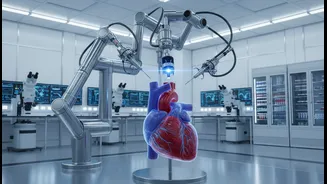
The innovations driven by the needs of space medicine have a surprising number of applications back on Earth. Technologies developed for monitoring astronauts' health in orbit have paved the way for advancements in telemedicine and remote patient monitoring, especially beneficial for rural or underserved communities. Research into astronaut bone loss has led to better understanding and treatment for osteoporosis. Portable, powerful diagnostic tools like ultrasound devices developed for the tight confines of a spacecraft are now used in emergency rooms worldwide. Even studies into the psychological stress of isolation on long missions provide insights for mental health care on our planet. The solutions designed for keeping a handful of people healthy hundreds of miles above Earth are ultimately helping to improve healthcare for billions below.