


The New Definition of a Holiday
The post-pandemic travel boom has matured into something more thoughtful. Instead of just searching for the most popular spots, a growing number of Indian travellers are prioritizing meaningful journeys. This new mindset, often called 'nature-first' or 'conscious'
travel, is less about collecting destinations and more about experiencing them deeply. It values authenticity over commercialism, quiet landscapes over crowded hubs, and genuine cultural immersion over packaged tourism. This shift explains why search trends for traditional holiday destinations are being matched by a rising interest in regions that offer raw, unfiltered nature and unique local cultures. The focus is on slower, more intentional travel that benefits both the visitor and the host community.
Why the Northeast is the Perfect Fit
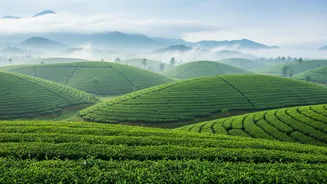
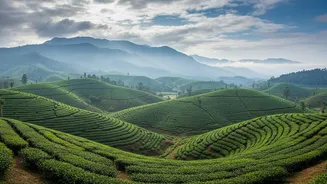
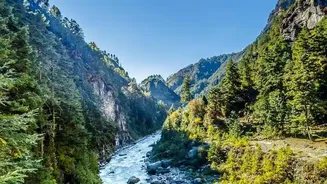
Northeast India, with its eight distinct states, has become the epicentre of this movement. The region’s appeal lies in its unparalleled natural beauty — from the crystal-clear rivers of Meghalaya to the snow-dusted mountains of Arunachal Pradesh and the rolling tea gardens of Assam. For decades, this part of the country was considered remote, its potential untapped. However, recent improvements in road, rail, and air connectivity have made these pristine landscapes more accessible without spoiling their charm. Destinations like Sikkim, a pioneer in organic farming and ecotourism, and Meghalaya, with its community-managed sacred groves, offer a blueprint for what sustainable tourism looks like. It's a region where nature isn't just a backdrop; it's the main event.
Community at the Heart of the Experience
What truly sets the Northeast's tourism model apart is its emphasis on community. This isn't just about sightseeing; it's about participation. Travellers can stay in community-run homestays, where they directly contribute to local livelihoods. These experiences foster genuine connections, allowing visitors to understand the unique traditions of the region's diverse indigenous groups. In Nagaland, you can experience the vibrant Hornbill Festival or stay in villages to learn about tribal life. In Meghalaya, you can trek to living root bridges, marvels of bio-engineering grown and maintained by Khasi and Jaintia communities for centuries. This model, often called Community-Based Ecotourism (CBET), ensures that tourism revenue empowers local people, providing them with sustainable incomes while preserving their cultural and ecological heritage.
A Shift for Travellers and the Industry
The travellers drawn to the Northeast are different. They are hikers, birdwatchers, cultural explorers, and families looking for quiet connection. They seek experiences like river rafting in Arunachal Pradesh, exploring the floating islands of Loktak Lake in Manipur, or spotting the one-horned rhinoceros in Assam's Kaziranga National Park. This demand is reshaping the hospitality industry in the region. While major hotel brands are beginning to arrive, the sector's growth is largely driven by smaller, eco-conscious enterprises. Homestays, eco-lodges, and boutique resorts that blend with the local environment are thriving. Governments are also taking notice, with states like Arunachal Pradesh and Meghalaya launching new policies to promote sustainable and experiential tourism, aiming to increase visitor numbers responsibly.
The Path Forward: Balancing Growth and Preservation
The rising spotlight on the Northeast brings both opportunity and challenges. The biggest challenge is managing growth to avoid the pitfalls of over-tourism that have plagued other popular destinations. Protecting the fragile ecosystems and unique cultures that attract visitors in the first place is paramount. The key will be to continue prioritizing the community-led, low-impact model that has defined its success so far. This involves creating well-managed eco-tourism circuits, promoting waste management, and ensuring that development doesn't come at the cost of the environment. If this balance is maintained, the rise of the Northeast can serve as a powerful example of how tourism can be a force for good, creating a virtuous circle of conservation, cultural pride, and sustainable economic growth.