





Cherrapunji, Meghalaya: In the Abode of Clouds
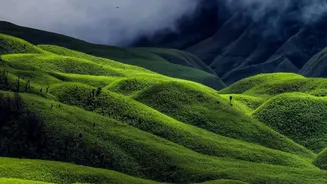
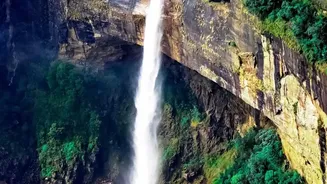
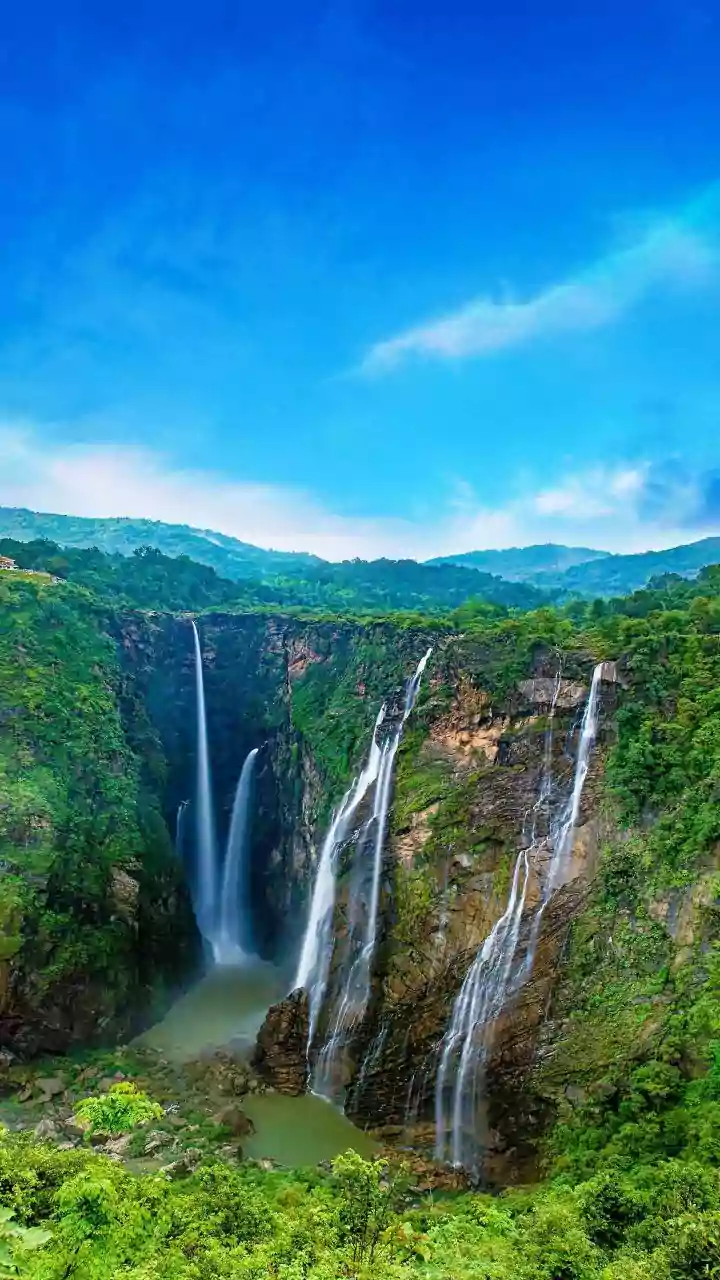
Known as one of the wettest places on Earth, Cherrapunji (or Sohra) doesn't just endure the monsoon; it celebrates it. This is where rain is the main attraction, turning the Khasi hills a vibrant, impossible green and bringing waterfalls to their thunderous
peak. During the monsoon months from June to September, iconic sights like Nohkalikai Falls, India's tallest plunge waterfall, and the Seven Sisters Falls become truly spectacular. While heavy rainfall is a given, it creates a unique atmosphere of mist-covered valleys and clouds drifting right through the villages. For a truly memorable experience, trek to the Double Decker Living Root Bridge, an astonishing example of bio-engineering that becomes even more magical when surrounded by rain-soaked flora.
Munnar, Kerala: Tea Gardens and Misty Hills
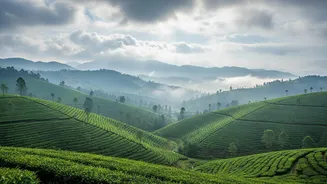
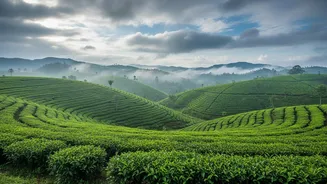
While beautiful year-round, Munnar in the monsoon is something special. The season, lasting from June to September, washes the sprawling tea plantations in a brilliant shade of emerald, with low-hanging clouds and mist creating a romantic, serene atmosphere. The rainy season means fewer crowds, allowing for a more peaceful experience at popular spots like Mattupetty Dam and Echo Point. Waterfalls such as Attukal and Lakkam, which are modest streams in the dry season, become powerful cascades, offering breathtaking views. The cool, crisp air is perfect for enjoying a fresh cup of local tea while watching the rain from a cosy resort, or indulging in a rejuvenating Ayurvedic treatment, which is considered especially effective during the monsoon.
Coorg, Karnataka: The Scotland of India in Full Bloom
Coorg, or Kodagu, with its rolling hills, dense forests, and sprawling coffee estates, fully earns its nickname as the 'Scotland of India' during the monsoon. The entire region is carpeted in lush greenery, and the air is thick with the fragrance of wet soil and coffee blossoms. The rains bring the region's many waterfalls, including the famous Abbey Falls and Iruppu Falls, to their full, roaring glory. It's an ideal time for trekking, though trails can be slippery. Treks to peaks like Tadiandamol or Brahmagiri offer stunning, mist-filled vistas of the Western Ghats. For those seeking a more relaxed pace, simply driving through the winding roads, past coffee plantations veiled in fog, is an experience in itself.
Valley of Flowers, Uttarakhand: A Himalayan Carpet of Blooms
A UNESCO World Heritage Site, the Valley of Flowers National Park is a destination that exists because of the monsoon. For most of the year, it lies dormant under snow. But from July to September, the valley transforms into a vibrant carpet of over 500 species of alpine flowers, including the elusive Blue Poppy and Brahma Kamal. The trek to the valley, starting from Govindghat, is considered moderate and takes you through breathtaking landscapes of lush meadows, gushing streams, and snow-capped peaks in the distance. The monsoon rains ensure the flora is at its most spectacular, making it a dream destination for trekkers, botanists, and photographers. The best window for a visit is typically between mid-July and mid-August when the bloom is at its peak.
Wayanad, Kerala: A Green and Serene Escape
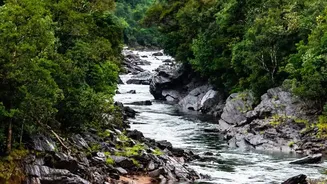
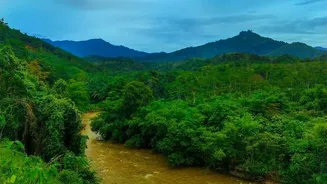
Another jewel of the Western Ghats, Wayanad becomes a tranquil green sanctuary during the monsoon. The rains, which fall between June and September, rejuvenate its spice plantations, forests, and lakes. It's a time for peace and quiet, with fewer tourists and a slower pace of life. Attractions like Pookode Lake are encircled by verdant forests, while the Banasura Sagar Dam, India's largest earthen dam, offers stunning views of its reservoir against a backdrop of misty hills. The waterfalls, such as Soochipara and Meenmutty, are at their most impressive during this season. It’s the perfect setting for those who want to disconnect and enjoy nature's restorative power, whether from a comfortable homestay or an adventurous trek through the rain-washed trails.