



Understanding Cold-Pressed Oils
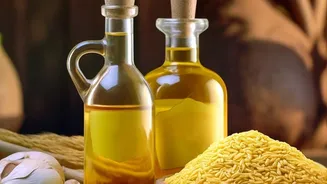
First, what does 'cold-pressed' mean? It refers to a traditional method of oil extraction where seeds or nuts are crushed at a low temperature without using chemicals or high heat. This gentle process ensures that the oil retains its natural flavour,
aroma, and, most importantly, its nutrients like antioxidants and essential fatty acids. Refined oils, on the other hand, are processed at high temperatures and treated with chemicals, which strips them of their natural character and nutritional value. Choosing cold-pressed is about choosing an oil that is pure, flavourful, and closer to its natural state.
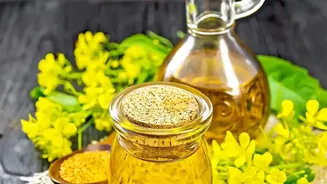
Mustard Oil: The Pungent Powerhouse
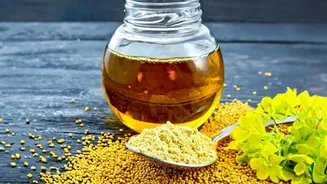
Known as 'Sarson ka Tel', cold-pressed mustard oil is a cornerstone of North and East Indian cuisine. Its signature pungency comes from a compound called allyl isothiocyanate. For cooking, it's a tradition to heat the oil until it just begins to smoke lightly; this mellows the sharpness into a warm, aromatic flavour. With a high smoke point of around 200-250°C, it's perfect for deep-frying snacks like pakoras, making pickles where it acts as a natural preservative, and creating the flavour base for rich curries like Sarson ka Saag and Bengali fish curry. A drizzle of raw mustard oil is also used as a finisher in dishes like Litti Chokha to add a sharp, fresh kick.
Sesame Oil: The Nutty Southern Staple
Sesame oil, or 'Til ka Tel', is cherished in South Indian cooking for its distinct nutty aroma and flavour. Often referred to as gingelly oil, it’s a key ingredient that provides more than just a cooking medium. It is excellent for tempering spices for dishes like sambar and rasam, where its flavour beautifully complements tamarind and lentils. You'll find it being used to coat dosa tawas for a crisp finish or mixed with spice powders (podi) to be eaten with idli. Cold-pressed sesame oil has a moderate smoke point, around 177°C, making it ideal for sautéing vegetables and preparing chutneys, but less suited for high-heat deep frying. Its use is also deeply rooted in Ayurveda for its numerous health benefits.
Groundnut Oil: The Versatile All-Rounder
Cold-pressed groundnut oil, or 'Moongphali ka Tel', is a favourite in Western and Southern India, especially in Gujarat, Maharashtra, and Andhra Pradesh. Its appeal lies in its mild, nutty flavour and a relatively high smoke point of about 160-180°C, which makes it incredibly versatile. This stability makes it an excellent choice for deep-frying foods like puris, samosas, and bhajiyas, ensuring they turn out crisp and non-greasy. It's also a go-to for everyday cooking, from making the vaghar (tempering) for Gujarati dals to preparing vegetable stir-fries and peanut chutney. Unlike the strong character of mustard oil, groundnut oil offers a more neutral yet warm base that enhances the flavours of the dish without overpowering them.