

A Shift in Travel Priorities
For years, the choice for a short intercity trip was simple: book a flight to save time. However, a significant shift is underway. Travellers, particularly younger generations like Gen Z and millennials, are increasingly prioritising the quality of the journey
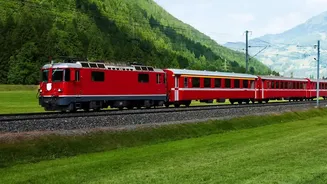
over the speed of arrival. This trend, often called 'slow travel', is about savouring the experience, connecting with the landscape, and embracing a more relaxed pace. Instead of the sterile environment of airports and the cramped confines of a plane, passengers are rediscovering the joy of watching the country unfold from a train window, especially during the dramatic monsoon season.
The Unmatched Magic of Monsoon by Rail
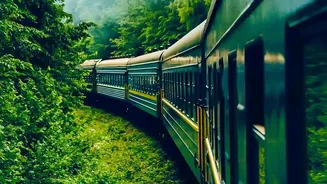
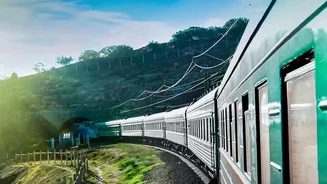
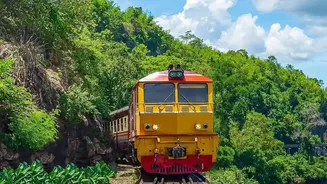
The Indian monsoon transforms the landscape into a vibrant, living canvas, and there is no better place to witness it than from a train. The journey becomes the destination. Routes along the Western Ghats, for instance, are particularly spectacular. As the train snakes through mountains, passengers are treated to views of lush green valleys shrouded in mist, hillsides streaked with temporary waterfalls, and rivers flowing at full spate. It is an experience that a flight, thousands of feet up in the air, simply cannot offer. The romance of watching raindrops race across the windowpane while sipping hot chai is a powerful draw.
The Vistadome Revolution
Indian Railways has been quick to notice and cater to this growing demand for scenic travel. The introduction and expansion of Vistadome coaches have been a game-changer. These special coaches feature panoramic glass windows, transparent roofs, and seats that rotate 360 degrees, offering passengers an uninterrupted, immersive view of their surroundings. Initially launched on a few select routes, their immense popularity has led to their inclusion in trains across the country, including the Mumbai-Goa, Mumbai-Pune, and Bengaluru-Mangaluru lines. These coaches are frequently sold out, particularly during the monsoon, proving that travellers are willing to plan their trips around this unique experience.
Smarter Economics and a Softer Footprint
The decision to take a train is not just about the view; it's also a pragmatic choice. For short distances, train travel is often significantly more cost-effective. While budget airline tickets might seem cheap at first glance, the final cost often escalates with add-ons for baggage and preferred seats, not to mention the expensive commute to and from airports located on the outskirts of cities. In contrast, train fares are more inclusive, and stations are typically centrally located. Furthermore, there's a growing awareness of the environmental impact of air travel, leading many to choose the train as a more sustainable option. The overall experience is also less stressful, bypassing long security queues and the general chaos of airports.
Iconic Routes to Experience
For those looking to hop on this trend, India offers a wealth of breathtaking monsoon train journeys. The Mumbai to Goa route on the Konkan Railway is arguably the most famous, renowned for its dramatic coastal views and waterfalls. The Kalka-Shimla Railway, a UNESCO World Heritage Site, offers a magical ride through pine forests and misty Himalayan foothills. In the south, the Nilgiri Mountain Railway chugs through the tea plantations of Ooty, which are especially verdant during the rains. Even shorter journeys, like the one between Mumbai and Pune through the Bhor Ghat, become extraordinarily beautiful, offering glimpses of the rain-soaked Sahyadris.