
Beyond the Bag: What is Specialty Tea?
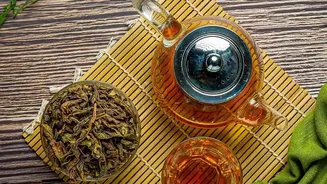
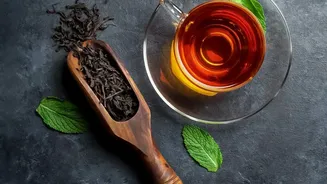
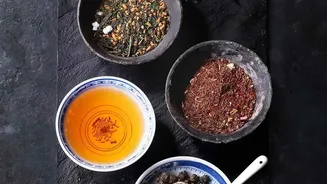
Before you can shop for specialty tea, it helps to know what makes it ‘special’. Unlike the dusty particles found in many mass-produced tea bags, specialty tea consists of whole or large broken tea leaves. This is important because these larger leaves retain
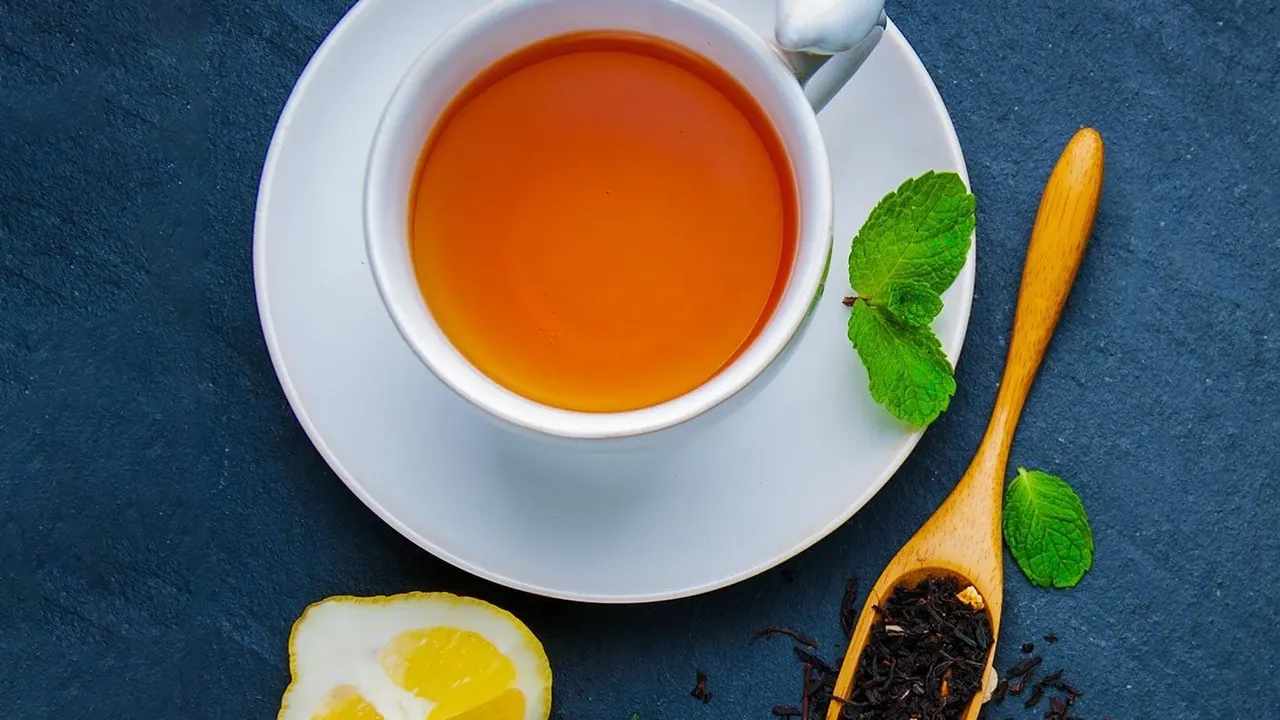
more of their essential oils and complex flavour compounds, resulting in a more aromatic and nuanced cup. Specialty teas are often sourced from a single estate or a specific region, much like a fine wine. They are crafted with immense care, from the hand-picking of the tenderest leaves to precise processing methods that have been perfected over generations. This focus on quality and craftsmanship is the true mark of a specialty tea, offering an experience that goes far beyond a simple brew. It is a journey into flavour, aroma, and the story of the leaf itself.
Start at the Source: Decoding Origin
The most important factor influencing a pure tea's flavour is its origin, a concept known as 'terroir'. This French term encompasses everything about the place where the tea was grown: the soil, the altitude, the climate, and even the surrounding flora. For Indian tea lovers, this is fantastic news, as India is home to some of the world's most famous tea-growing regions. A black tea from Assam, grown in the low-lying Brahmaputra river valley, will be robust, malty, and brisk. In contrast, a Darjeeling tea from the high, misty slopes of the Himalayas might be light, floral, and have the famous 'muscatel' grape-like note. Meanwhile, teas from the Nilgiri hills in the south are known for being fragrant and bright. When shopping, look for the origin on the label. A single-origin tea from a specific estate or region promises a taste profile that is a true expression of its unique environment.
Read the Blend: A Guide to Ingredients
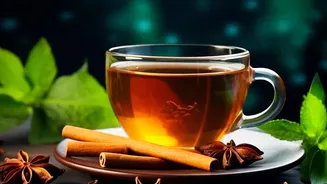
Moving beyond single-origin teas, you enter the creative world of blends. Here, the ingredients list is your best friend. High-quality blended teas use natural additions that complement the tea base. You will often find real pieces of spices, flowers, and fruits. For example, a classic Masala Chai might list black tea with cardamom, cinnamon, ginger, and cloves. A calming herbal blend might feature whole chamomile flowers, peppermint leaves, or rose petals. Be mindful of the difference between 'flavour' and 'ingredients'. If a package lists 'artificial raspberry flavour', it’s very different from one that lists 'dried raspberry pieces'. While not inherently bad, artificial flavours can sometimes mask a lower-quality tea base. A transparent ingredients list with recognisable botanicals is usually a good sign that you are getting a well-crafted product designed for taste and aroma. Look for blends with components you already enjoy in food to guide your choices.
The Sweet Spot: Understanding Sweetness
The final piece of your shopping plan is understanding sweetness. Many high-quality teas have a natural, inherent sweetness from the leaf itself or from the way they are processed. Some blends also incorporate ingredients that provide sweetness without adding sugar, such as licorice root or dried apple pieces. However, many commercially available teas, especially ready-to-drink varieties and some blends, contain 'added sugars'. When you read the label, it's important to check the ingredients list for terms like cane sugar, corn syrup, fructose, or honey. The nutrition panel is also required to list 'Added Sugars' as a separate line item, making it easier to see what has been put in during processing versus what occurs naturally. For the purest experience and to have full control over the sweetness of your cup, look for teas and blends with no added sugars. You can always add a touch of honey or your preferred sweetener yourself if desired.