





The Science of Sizzle
To understand why protection is critical, we need to look at what heat actually does to hair. Each strand is primarily made of a protein called keratin and is shielded by an outer layer called the cuticle. When styling tools like flat irons or curling
wands reach high temperatures—often over 180°C—they can cause significant damage. The intense heat rapidly boils any moisture within the hair shaft, creating tiny, destructive steam bubbles that fracture the hair from the inside. It also degrades the keratin proteins and lifts the protective cuticle, leading to moisture loss, roughness, breakage, and the dreaded frizz that is the very opposite of a polished red carpet look.
How Heat Protectants Form a Shield
Think of a heat protectant as a personal bodyguard for your hair. These products, which come in sprays, creams, and serums, work by forming a thin, protective film over the surface of each strand. This barrier serves two key functions. Firstly, it slows down heat conduction, allowing the hair to heat up more gently and evenly, which prevents sudden temperature spikes that cause the most damage. Secondly, it seals the hair's cuticle, locking in natural moisture and preventing the rapid water loss that leads to brittleness and a straw-like texture. Healthy, hydrated hair not only looks better but also styles more effectively and holds its shape longer.
Key Ingredients to Look For
The magic behind this protective shield lies in a few key ingredients. Silicones, such as dimethicone and cyclomethicone, are common and highly effective because they can withstand high temperatures and form a smooth, friction-reducing coating on the hair. This coating helps styling tools glide effortlessly, reducing mechanical damage from snagging and pulling. Polymers, like PVP/DMAPA acrylates copolymer, also create a film that shields hair from heat. Many formulas also include humectants like panthenol to attract and retain moisture, along with natural oils or hydrolyzed proteins that nourish and strengthen the hair fiber.
Application Is Everything
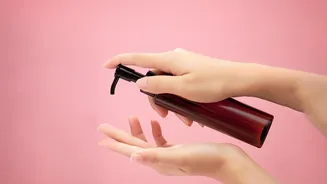
Even the best product won't work if it isn't used correctly. For maximum effectiveness, stylists recommend applying heat protectant to clean, damp, towel-dried hair before blow-drying. Hold the spray about 15-20 centimetres away to ensure a fine, even mist rather than saturating one spot. Sectioning your hair before applying helps guarantee that every strand is covered, especially the vulnerable mid-lengths and ends. After spraying, comb the product through to distribute it evenly. A crucial rule is to ensure your hair is completely dry before using high-heat tools like straighteners or curling irons; using them on even slightly damp hair can cause that destructive steam damage.
The Foundation for a Flawless Finish
Ultimately, achieving a red carpet-worthy hairstyle starts with hair health. Damaged, porous hair doesn't reflect light well, leading to a dull appearance. A smooth, sealed cuticle is what creates that enviable gloss and shine. By using a heat protectant, you are preserving the integrity of your hair, which is the true foundation for any beautiful style. It reduces frizz, prevents breakage, and helps your finished look appear smoother and more polished. This single step elevates your styling routine from simply changing your hair's shape to actively caring for it in the process, ensuring it stays strong and lustrous.