


What Exactly Is This 'Hack'?
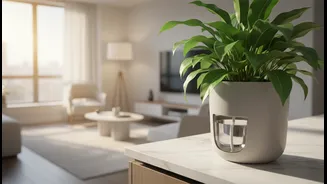
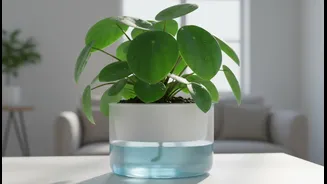
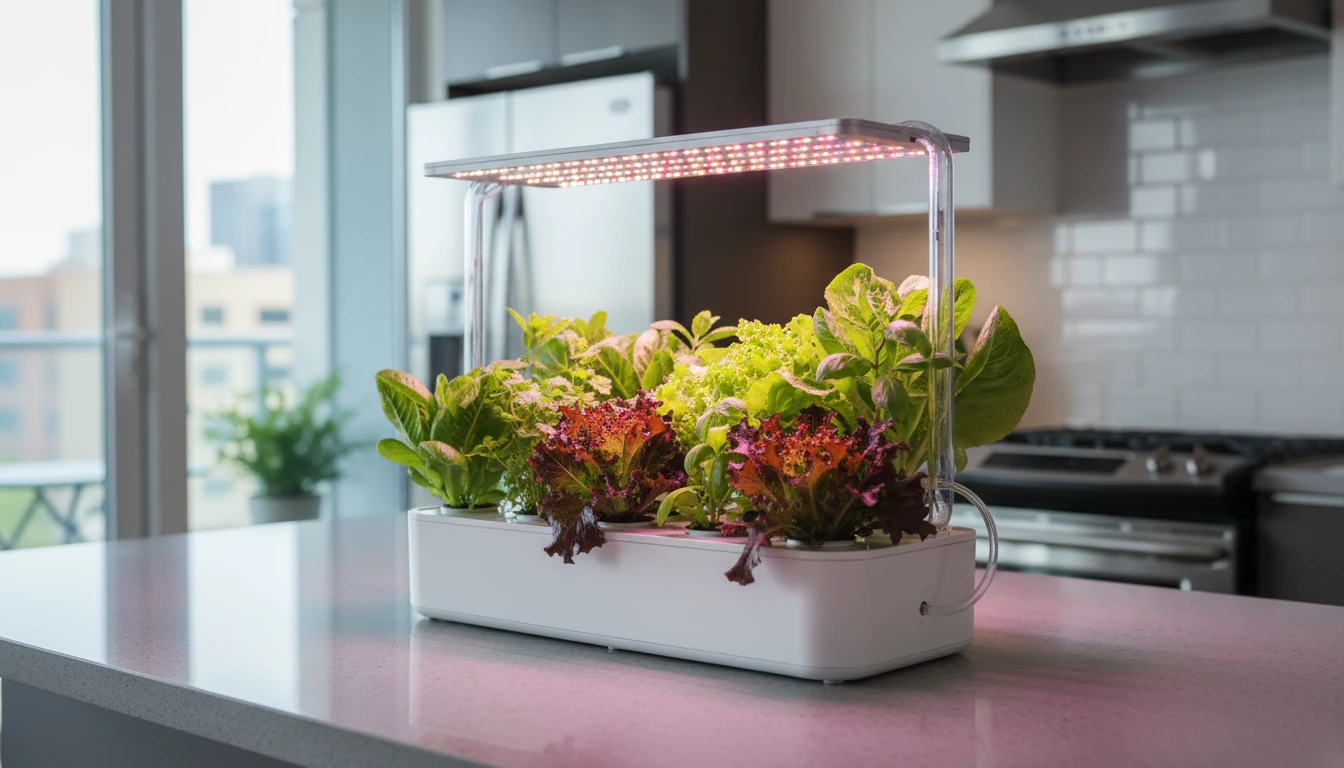
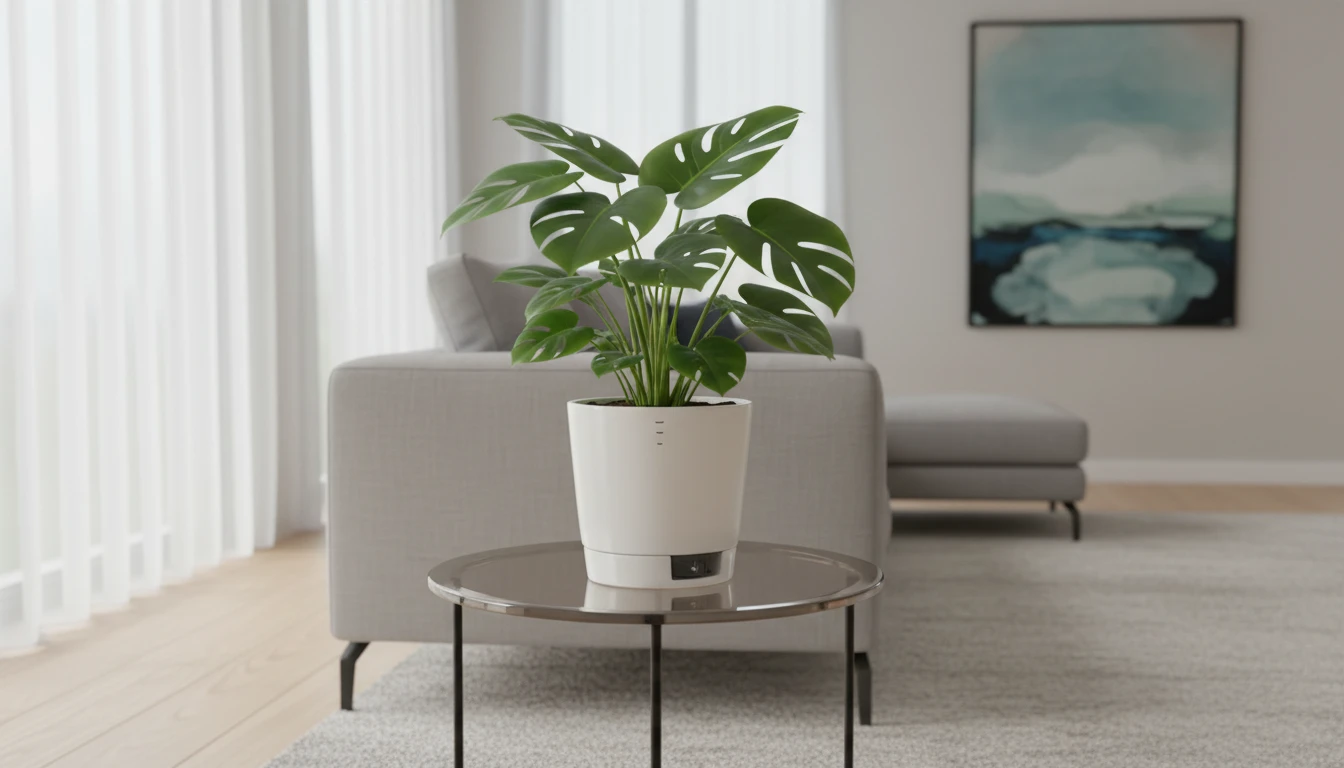
A self-watering planter is an ingenious container with two parts: a main pot for your plant and a water reservoir below it. The two are connected by a wicking system, often a simple cotton rope or porous material, that draws water up from the reservoir into
the soil. Think of it as a plant getting to drink exactly when and how much it wants, rather than depending on your often-hectic schedule. It’s a sub-irrigation system that puts the plant in control. This method eliminates the most common causes of houseplant demise: human error. It’s a set-it-and-forget-it approach to greenery.
The 'Operating System' for Your Plant
For a techie, the process is beautifully logical. The principle at play is capillary action, the same science that allows a paper towel to soak up a spill. As the plant consumes water and the soil begins to dry, the wick automatically pulls more moisture up from the reservoir to maintain a consistent level of hydration right at the roots. This creates a self-regulating, closed-loop system. The top layer of soil can even stay relatively dry, which helps discourage common pests like fungus gnats. It’s essentially an automated hydration protocol that runs silently in the background, ensuring optimal performance—in this case, a healthy, thriving plant.
More Efficiency, Less Maintenance
The benefits read like a feature list for a new productivity app. First, it's incredibly time-efficient. Instead of daily or every-other-day watering, you might only need to top up the reservoir once a week or even less, depending on the plant and planter size. This is perfect for busy professionals or anyone who travels frequently. Second, it’s water-wise. Because the water is in an enclosed reservoir, there’s less evaporation, and every drop is delivered directly to the root zone where it’s needed. Finally, it provides consistency. Plants thrive on routine, and a self-watering planter offers a perfectly stable environment, free from the stress of drought and flood cycles that come with inconsistent watering.
Choosing Compatible 'Hardware'
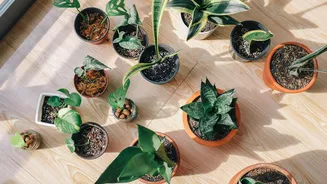
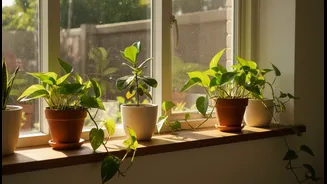
Not all plants are suited for this system. Self-watering planters are ideal for plants that prefer consistently moist soil. Think of tropicals that love humidity and steady moisture. Pothos, peace lilies, spider plants, ferns, and many herbs like basil and mint are excellent candidates. However, you should avoid plants that need their soil to dry out completely between waterings. Succulents and cacti, for example, would likely suffer from root rot in this constantly damp environment. Snake plants and ZZ plants are also generally not recommended for this setup as they prefer drier conditions. Matching the right plant to the system is key to success.
Things to Watch For
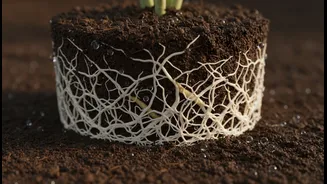
While this system is a fantastic hack, it’s not entirely foolproof. It’s important to use a light, well-aerating potting mix; heavy garden soil can become waterlogged even with a wicking system. Over time, minerals and fertilizer salts can build up in the reservoir and soil. To prevent this, it's a good practice to flush the soil with water from the top every few months and let it drain completely. Some planters have an overflow hole to prevent accidental overfilling, which is a useful feature to look for. Also, be mindful that roots can sometimes grow down into the reservoir, which can be problematic if they are left sitting in stagnant water.