



Protect Your Gear From the Elements
The primary challenge of monsoon photography is keeping your equipment dry. While high-end weather-sealed cameras and lenses offer great protection, you don't need them to get started. A dedicated rain sleeve or cover is a worthwhile investment, allowing
you to operate your camera controls while shielding it from downpours. For a quick, low-cost solution, a simple plastic bag or even a shower cap secured with a rubber band can work in a pinch. Always attach a lens hood; it shields the lens from stray raindrops that can ruin a shot. Keep a few microfibre cloths handy to wipe away moisture from your lens and camera body. When you're done shooting for the day, store your gear with silica gel packs to absorb any lingering humidity.
Mastering Monsoon Light and Settings
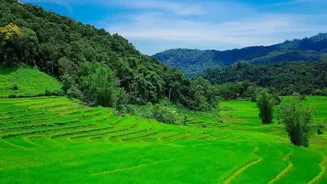
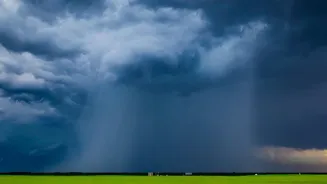
Rainy days mean overcast skies, which act like a giant softbox. This diffused light is perfect for landscape photography as it eliminates harsh shadows and allows the rich, saturated greens to shine. Don't be afraid to increase your ISO; on dark, cloudy days, an ISO between 400 and 1600 can be necessary and may even add a pleasant, moody texture to your images. For aperture, a setting around f/8 to f/11 will typically keep your entire landscape in sharp focus. Shutter speed is your creative tool: use a fast speed (like 1/250s or higher) to freeze individual raindrops in mid-air, or a slower speed (around 1/60s) to create an artistic motion blur effect with falling rain. A sturdy tripod is essential for stability, especially when using slower shutter speeds for effects like silky waterfalls.
Compose for a Verdant Vision
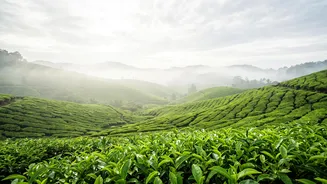
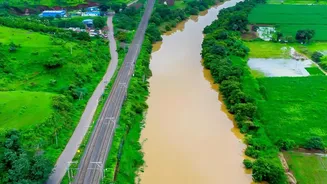
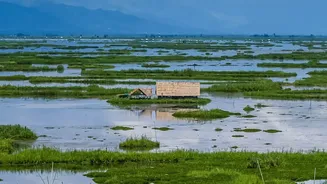
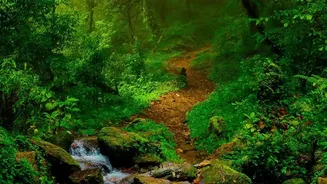
The monsoon landscape is often a symphony of green. To make your photos compelling, look for elements that break the monotony and add depth. Leading lines, like a winding road through a tea garden or a stream cutting through a valley, are powerful compositional tools. Seek out splashes of contrasting colour—a brightly coloured umbrella, a vibrant wildflower, or the earthy tones of a temple. Water itself offers endless opportunities. Use puddles and wet streets to capture beautiful reflections that add another dimension to your scene. Don't just focus on the grand vista; get close and shoot the details. Macro shots of raindrops clinging to a leaf, a spiderweb, or a flower petal can result in stunning, abstract images.
Inspiration from India's Monsoon Havens
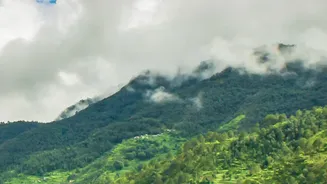
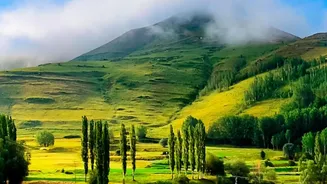
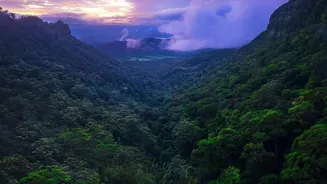
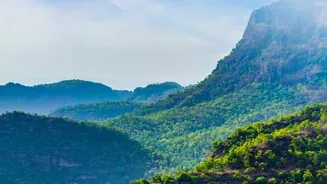
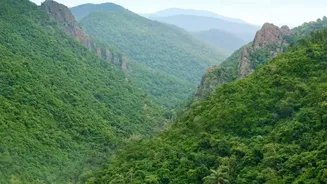
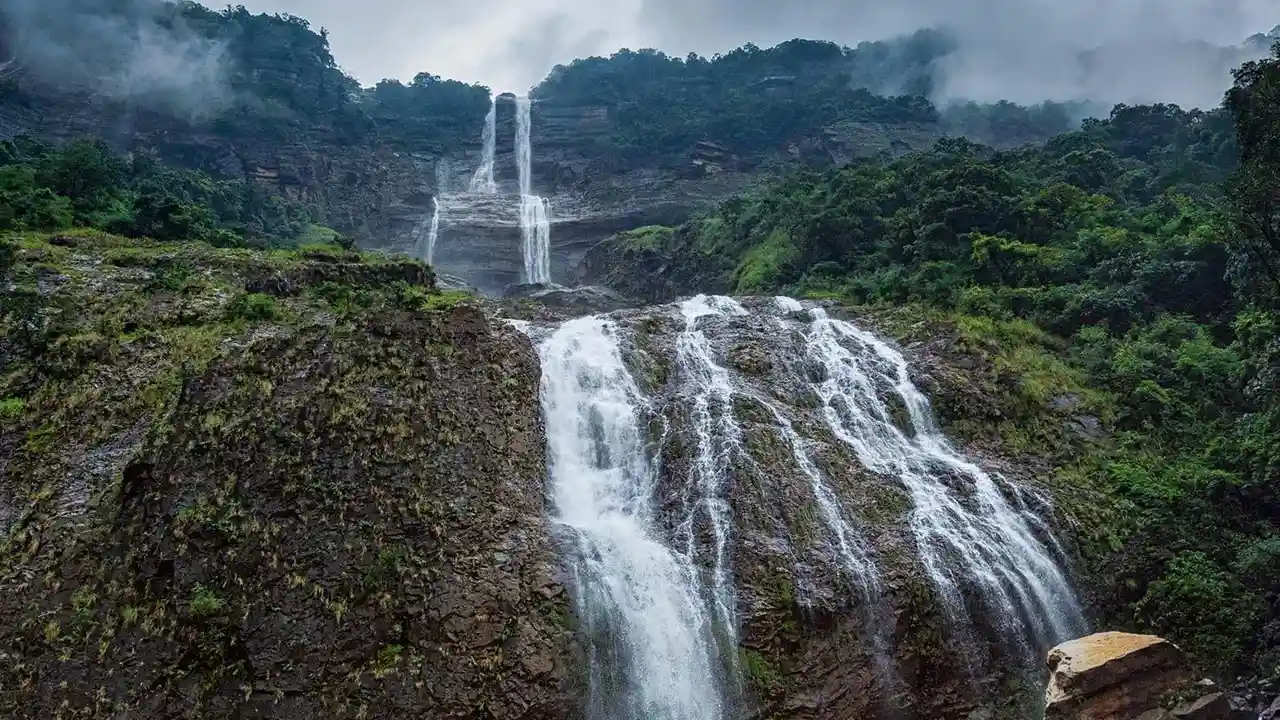
India is blessed with countless locations that come alive during the rains. The Western Ghats, with destinations like Coorg in Karnataka and Munnar in Kerala, offer rolling hills of tea and coffee plantations shrouded in mist. For those seeking dramatic waterfalls and cloud-level views, Meghalaya's Cherrapunji and Mawsynram are unparalleled. The living root bridges in this region become even more mystical when surrounded by lush foliage and flowing streams. In Uttarakhand, the Valley of Flowers National Park opens during the monsoon, presenting a breathtaking carpet of alpine flowers. These locations provide a perfect backdrop to practice capturing waterfalls, misty hills, and saturated green valleys.
Enhancing the Mood in Post-Processing
Editing can elevate your monsoon photos from good to great. The goal is to enhance the mood, not create an unrealistic image. Often, photos shot in overcast conditions can look flat. A slight increase in contrast can make the image pop. The 'Dehaze' tool in software like Adobe Lightroom is particularly effective for cutting through mist and restoring detail, but use it subtly. Experiment with the white balance to ensure the colours feel right; sometimes, warming the image slightly can counteract the cool, blue light of a rainy day. You can also boost the saturation of the greens to emphasize the lushness of the landscape, but be careful not to overdo it. A circular polarizing filter used during the shoot can also help by reducing glare from wet surfaces and deepening the colours naturally.