



An Enduring Earthen Legacy
Terracotta, literally ‘baked earth’, is a tradition that dates back thousands of years in India, with roots in the Indus Valley Civilization. In Rajasthan, the craft is deeply woven into the cultural fabric. Villages like Molela in the Rajsamand district
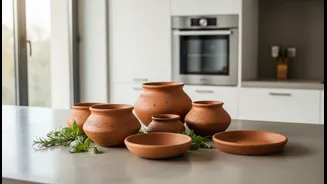
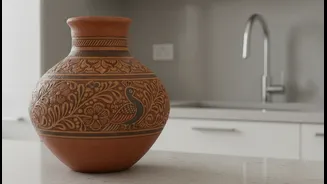
have been synonymous with terracotta for centuries, with artisans from the Kumhar community creating everything from ritualistic plaques to everyday water pots. This art form, passed down through generations, has always been more than just functional; it's a form of storytelling in clay, depicting deities, folklore, and scenes from daily life. The material itself—natural, porous clay—is celebrated for its ability to cook food slowly and evenly, retaining nutrients and imparting a unique earthy flavour that modern cookware cannot replicate.
A New Generation of Design
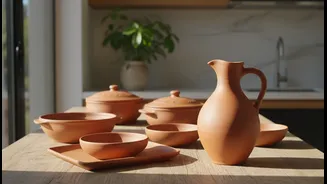
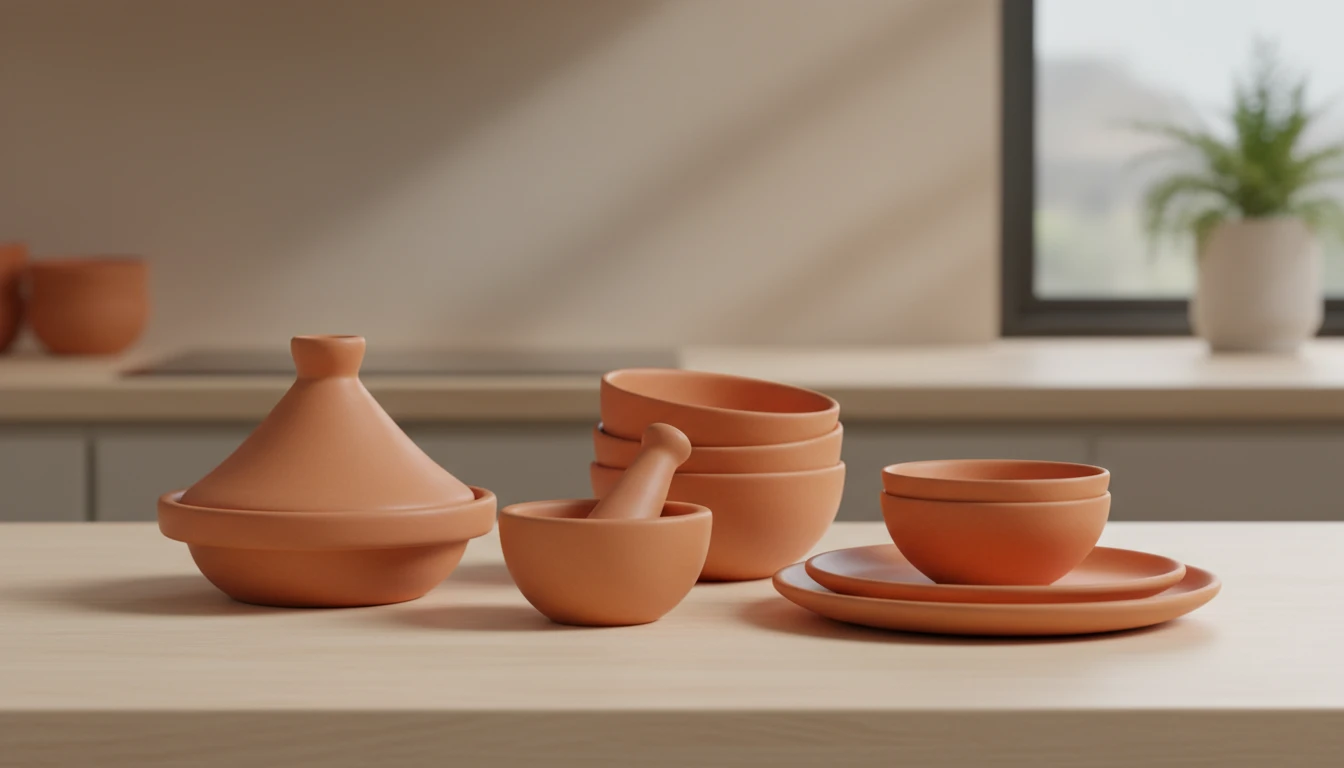
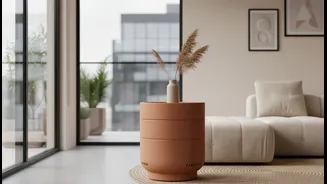
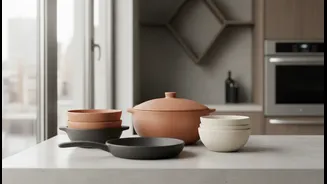
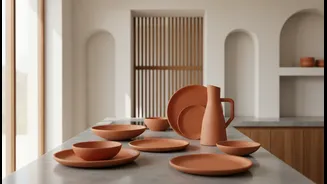
While the tradition is ancient, the current movement is refreshingly modern. A new generation of designers and design-led brands are collaborating with these master artisans to reimagine terracotta for the contemporary urban home. This isn't about replacing tradition but fusing it with a modern design sensibility. The result is a stunning array of kitchenware that combines the rustic soul of terracotta with minimalist aesthetics, improved functionality, and innovative forms. Think sleek dinner sets, serving bowls with clean lines, minimalist water pitchers, and even terracotta coffee brewers and baking dishes that fit seamlessly into a modern kitchen. Brands like Terracotta by Sachii and other online platforms are bridging the gap between artisan clusters and discerning consumers, co-creating products that are functional, beautiful, and relevant.
From Village Kiln to Urban Kitchen
This kitchen revolution is powered by collaboration. It involves urban designers, who bring an understanding of contemporary trends and market demands, working hand-in-hand with rural artisans who possess generations of inherited skill. For example, the acclaimed sculptor Laxman Vyas played a key role in transitioning Molela's craft from a purely ritualistic art to one celebrated in modern interiors. This synergy is helping to diversify the product range beyond traditional plaques and pots. It's a delicate process of mutual respect, where designers learn about the unique properties of local clays and firing techniques, while artisans adapt their skills to create new forms. This partnership ensures that the final products retain their handmade authenticity while appealing to a global audience.
More Than Just Cookware
This movement is about far more than just aesthetics; it's a socio-economic and cultural revival. By creating new markets for terracotta, these initiatives provide a sustainable livelihood for artisan communities, helping to preserve a craft that has faced economic challenges. The renewed interest helps artisans continue their traditional practices while adapting for contemporary spaces. Furthermore, in an age of growing concern over toxins in modern non-stick cookware, terracotta offers a natural, non-toxic, and eco-friendly alternative. Cooking in clay pots is not only a nod to tradition but a conscious choice for a healthier lifestyle, as the alkaline nature of clay can help balance the pH levels of acidic foods. This revolution is re-establishing a connection between the food we eat and the earth it comes from.
The Appeal of Earthenware in Modern Life
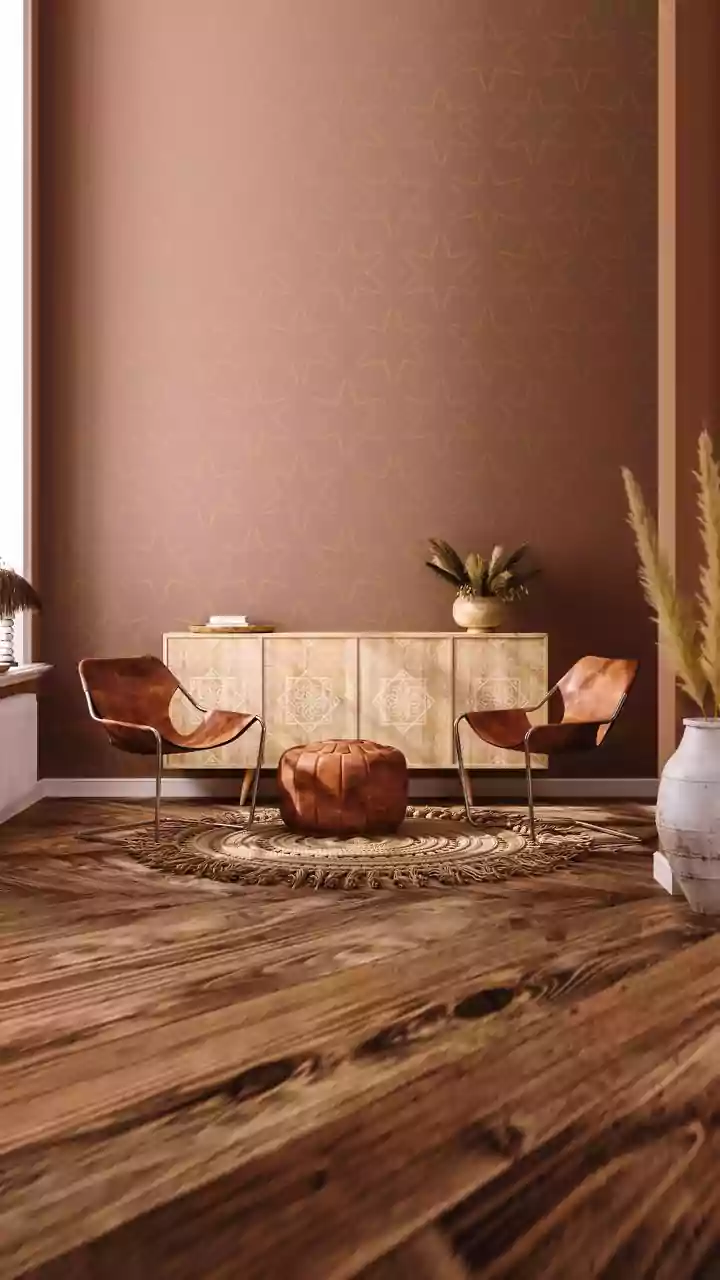
So why is this trend taking off now? It taps directly into the modern desire for authenticity, sustainability, and wellness. As people lean towards greener and more conscious choices, traditional Indian pottery is seeing a significant revival. Owning a piece of handcrafted terracotta is not just about having a beautiful object; it’s about embracing a slower, more mindful way of living. It's a rejection of mass-produced uniformity in favour of unique, handmade items that carry a story. Each piece, with its slight imperfections and earthy texture, brings a sense of warmth, heritage, and connection to nature into the home, transforming everyday routines like cooking and dining into a richer, more meaningful experience.