
Why Look Beyond Basmati?
For generations, specific rice varieties were cultivated for specific purposes—some for festive payasams, others for hearty daily meals, and still more for their medicinal properties. However, the push for high-yield, uniform crops meant countless heirloom
grains were nearly forgotten. Today, a growing movement of farmers, conservationists, and chefs is bringing these grains back. For the modern cook, this renaissance is an invitation to experiment. Exploring regional rice introduces new aromas, textures, and nutritional benefits to your plate, connecting your cooking to a richer, more sustainable food heritage. It's about rediscovering ingredients that are not only delicious but are also deeply rooted in India's culinary identity.
The Buttery Gobindobhog of Bengal
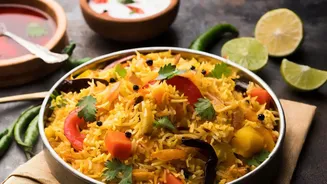
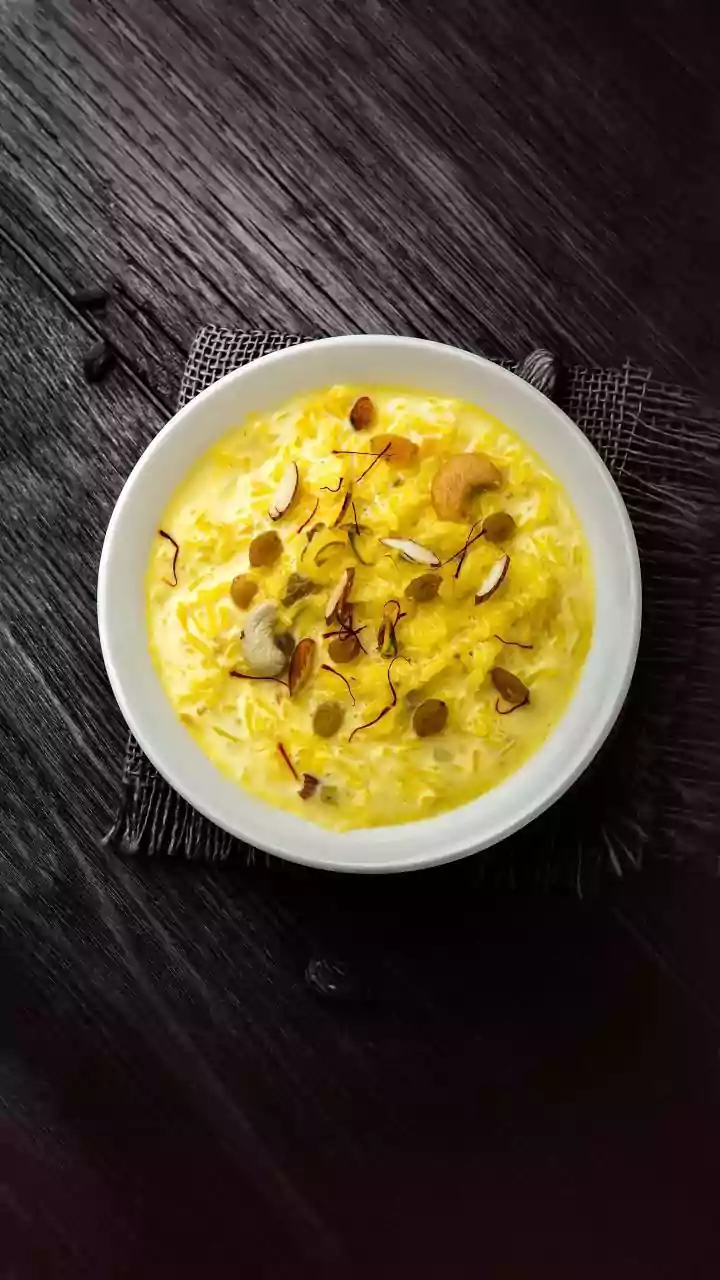
Hailing from West Bengal, Gobindobhog is a short-grain, aromatic rice with a naturally sweet and buttery flavour. Its name translates to “offering to Govinda,” reflecting its traditional use in religious ceremonies and festive dishes. When cooked, the rice becomes soft, moist, and slightly sticky, making it the perfect base for a comforting khichuri or a creamy payesh (rice pudding). Unlike long-grain varieties, its ability to absorb flavours makes it exceptionally versatile. While traditionally used in Bengali cuisine for everything from pulao to daily meals, modern chefs have begun to appreciate its unique texture and aroma in a wider range of dishes. It's also easily digestible and provides a steady release of energy.
The Delicate Joha of Assam
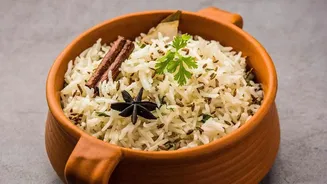
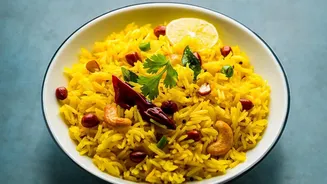
Joha is Assam's prized aromatic rice, known for its delicate fragrance and soft texture. These small, short grains are distinct from basmati, offering a subtle yet captivating aroma. Joha holds deep cultural significance in Assam, where it’s used for daily meals as well as celebratory dishes like pitha and payas. For the home cook, Joha is incredibly versatile. It cooks relatively quickly and results in fluffy, separate grains, making it an excellent choice for a simple steamed side dish that can accompany any curry or dal. It can also be used to create a fragrant pulao. Beyond its taste, Joha is rich in antioxidants and essential amino acids.
The ‘Forbidden’ Chak-Hao of Manipur
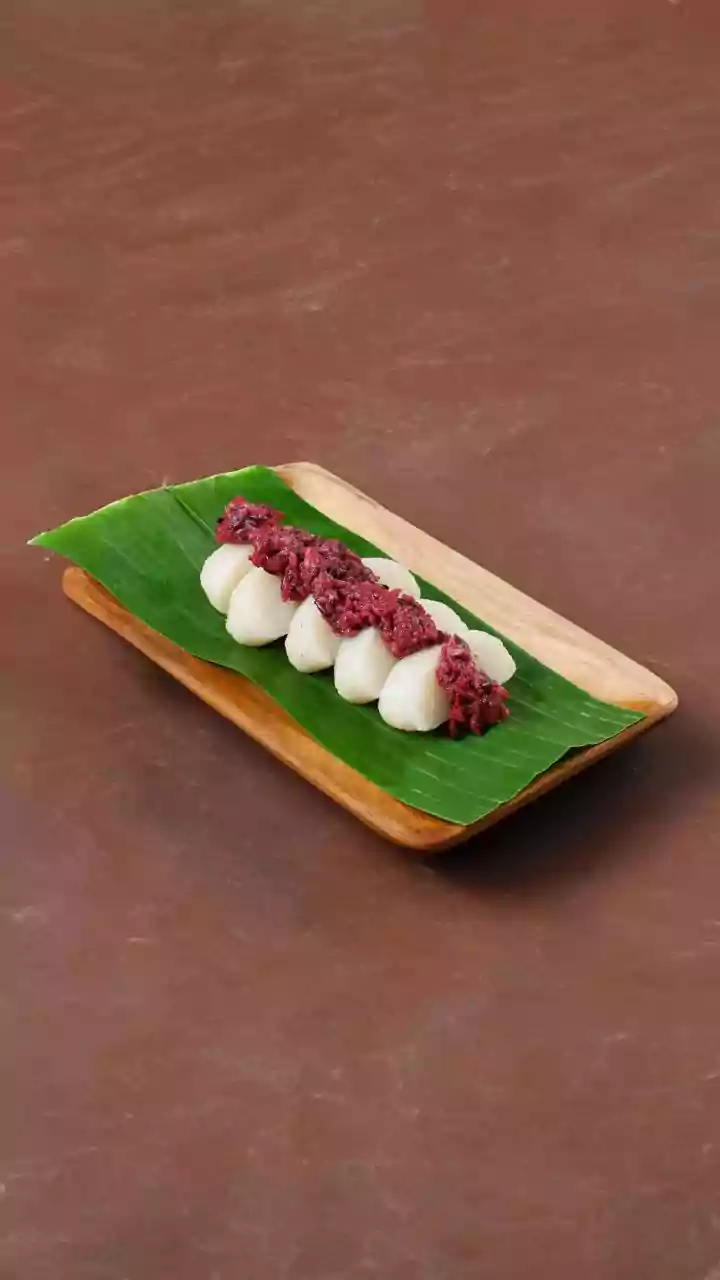
Chak-Hao, the glutinous black rice from Manipur, was once known as 'forbidden rice' because it was historically reserved for royalty. Its stunning deep purple-black colour comes from anthocyanins, the same powerful antioxidants found in blueberries. This gives it one of the highest antioxidant levels found in any food. With a nutty flavour and a slightly chewy texture, Chak-Hao is a fantastic and nutritious substitute for white or brown rice. It is traditionally used to make the famous Manipuri dessert, Chak-Hao kheer, a creamy purple pudding cooked with coconut milk and jaggery. It can also be used as a simple table rice, pairing well with dals and sabzis, or even in salads for a pop of colour and nutrition.
The Fragrant Ambemohar of Maharashtra
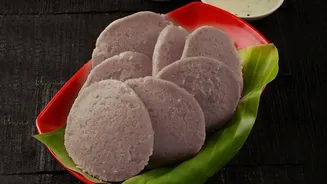
Grown in the foothills of the Western Ghats, Ambemohar gets its name from the Marathi words for mango (ambe) and blossom (mohar), thanks to its strong aroma reminiscent of mango blossoms. This short-grained rice cooks quickly and has a tendency to stick together, making it soft and easy to digest. Traditionally, it's used to make 'Bhatachi Pej,' a thick rice soup for children and the elderly, as well as soft idlis, crispy dosas, and festive dishes like masala bhaat. Its melt-in-the-mouth texture also makes it a great choice for sweet preparations like kheer or modak. With a low glycemic index and high fibre content, it's a wholesome choice for everyday meals.