


A New Monsoon Mentality
The traditional travel calendar in India once had a clear off-season: the monsoon months of June through September. But that thinking is being washed away. A new generation of weekend travellers, armed with a desire for unique experiences over conventional
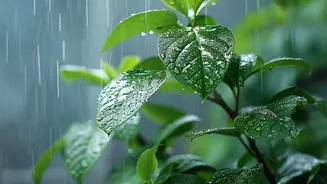
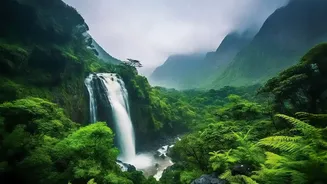
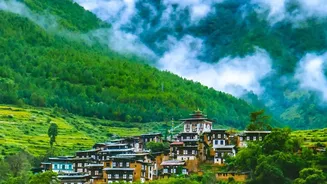
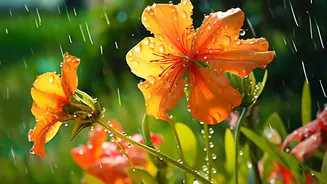
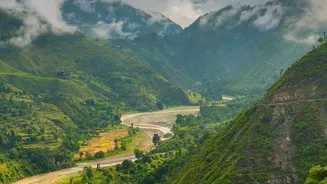
sightseeing, is embracing the rain. Instead of seeking sun-drenched beaches, they are flocking to destinations where the downpour brings nature to life. This isn't about braving bad weather; it's about seeking the specific magic that rain creates: mist-covered hills, overflowing waterfalls, and a vibrant, near-fluorescent green that carpets entire regions. Travel platforms report a significant shift, with searches for destinations known for their monsoon beauty, like Rishikesh and Mussoorie, surging dramatically. The trend is clear: the rainy season is no longer a bug, but a feature.
The Western Ghats in Full Glory
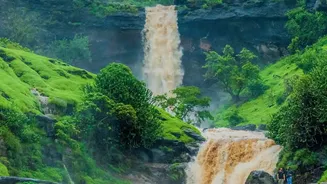
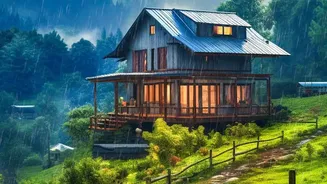
Nowhere is this trend more apparent than in the Western Ghats. For weekend warriors from Mumbai and Pune, destinations like Lonavala, Mahabaleshwar, and Malshej Ghat are being rediscovered. Once simple hill stations, the monsoon transforms them into ethereal landscapes. The Sahyadri mountains become a wall of green, streaked with hundreds of temporary waterfalls that appear overnight. The experience is less about ticking off viewpoints and more about the atmosphere—watching clouds drift at eye level from Tiger Point in Lonavala, feeling the spray from a roadside cascade, or simply enjoying the earthy smell of wet soil, known as petrichor. Luxury eco-resorts and boutique homestays have leaned into this, offering rooms with panoramic views of the rain-drenched valleys, allowing guests to feel immersed in nature without leaving their comfort.
Beyond Maharashtra's Hills
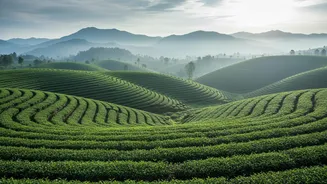
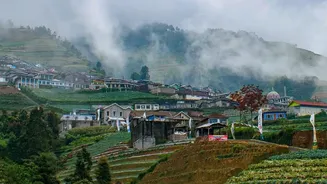
This monsoon magnetism extends across the country. In the south, the coffee and spice plantations of Coorg and Wayanad in the states of Karnataka and Kerala become lush, tranquil retreats. The rains amplify the beauty of the region's sprawling tea gardens in places like Munnar, where mist hangs low over the rolling hills, creating postcard-perfect scenery. Even Rajasthan, known for its arid landscapes, sees a shift. Udaipur, the 'City of Lakes', takes on a romantic charm as the rains replenish its famous water bodies, making its palaces and heritage sites feel fresh and inviting. Meanwhile, Goa offers a different kind of monsoon experience. With fewer crowds, the focus shifts from the beaches to the state's verdant hinterland, where waterfalls like Dudhsagar roar back to life and the spice plantations are at their most vibrant.
A Redefined Travel Itinerary
What makes this trend a 'redefinition' is the change in travel style. The goal is no longer a packed schedule of activities. Instead, the monsoon encourages a slower, more immersive pace. A weekend itinerary might involve little more than a short trek to a local waterfall, a long drive through misty ghat roads, and plenty of time spent reading a book on a veranda overlooking a rain-swept valley. The Danish concept of 'hygge'—finding coziness in stormy weather—has found an Indian parallel. It's about the joy of sipping hot chai while watching the downpour, enjoying the cooler temperatures, and appreciating a more peaceful atmosphere with fewer tourists. This experience-led approach prioritizes feeling and atmosphere over seeing and doing, marking a fundamental change in what travellers seek from a short break.
Embracing the Rain Responsibly
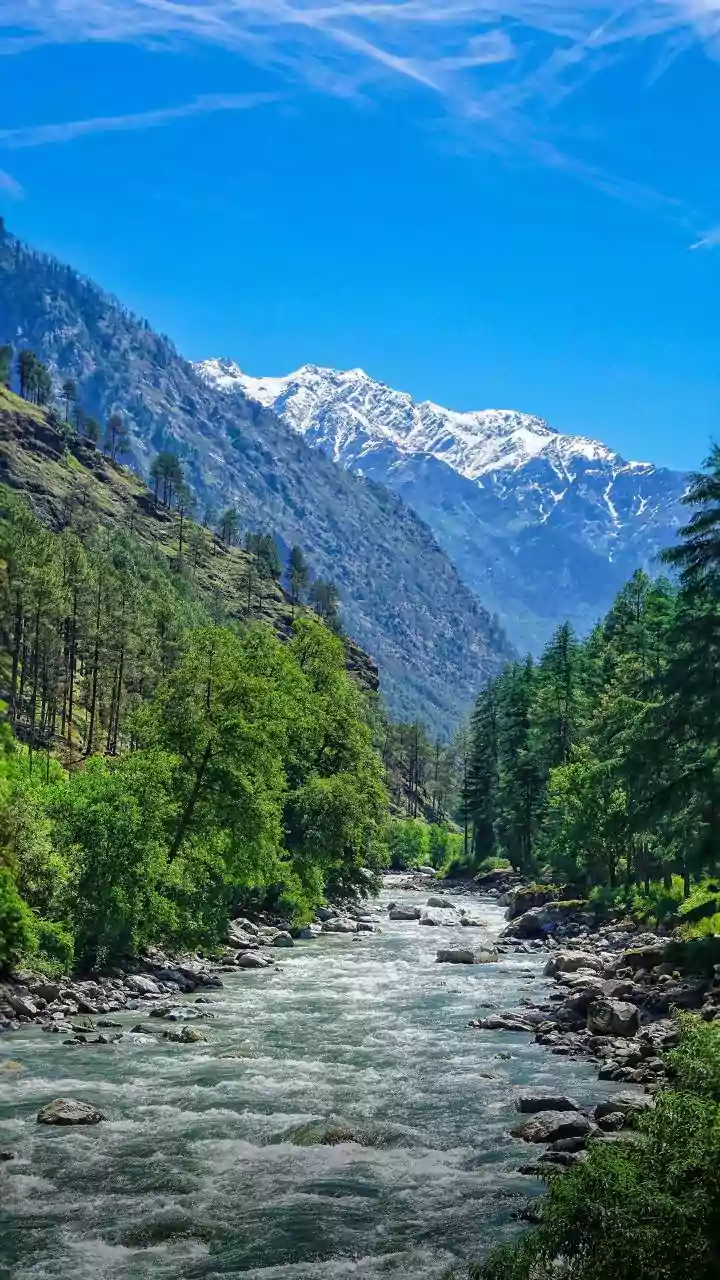
While the allure of rain-washed landscapes is strong, it comes with practical considerations. The monsoon can be unpredictable, and travellers are advised to stay informed about weather alerts, especially concerning landslides and road closures in hilly areas. Sticking to main roads and choosing well-established accommodations with good infrastructure is crucial for safety. The 2026 monsoon, forecast to be slightly below normal, might offer a silver lining for travellers, potentially meaning fewer severe washouts and more accessible roads in regions like the Western Ghats and Himalayas. However, the impact of climate change, which has led to more extreme rainfall events in recent years, underscores the need for caution. Responsible tourism, which respects the sensitive ecology of these regions, is more important than ever.