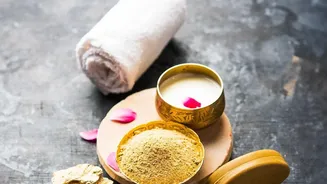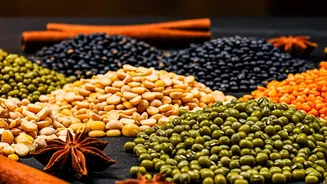





Long before serums filled our shelves, the secret to glowing skin was often found in the kitchen. The humble masoor dal, or red lentil, is a perfect example—a pantry staple that holds a rich history in traditional Indian beauty rituals.
A Timeless Kitchen Ingredient
For generations,
Indian skincare has relied on simple, accessible ingredients. Alongside staples like turmeric and besan (gram flour), masoor dal has been used in homemade pastes and cleansers to keep skin healthy and radiant. Its popularity stemmed from being affordable, widely available, and effective. When ground into a powder or soaked to form a paste, it becomes a gentle yet powerful skincare treatment. This practice of using kitchen ingredients for beauty is seeing a resurgence as people seek natural and time-tested solutions for their skincare needs.
The Skincare Power of Red Lentils
Masoor dal is rich in proteins, vitamins, and minerals that are beneficial for the skin. Its primary benefit comes from its texture, which makes it an excellent natural exfoliant. The finely ground particles help slough away dead skin cells, dirt, and impurities without being overly harsh. This process unclogs pores and can help manage excess oil, making it particularly useful for those with oily or combination skin. Additionally, masoor dal contains antioxidants that help protect the skin from environmental damage. Regular use can lead to a smoother texture and a brighter, more even-toned complexion.
Basic Masoor Dal Face Pack
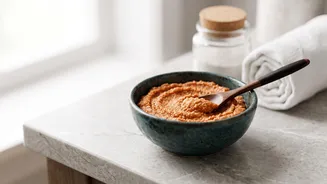
The simplest way to use masoor dal is to create a basic paste. Soak a few tablespoons of the lentils in water overnight until they are soft. In the morning, grind them into a smooth, thick paste, adding a little water or rose water if needed. Apply this paste evenly to a clean face and neck, leaving it on for about 15-20 minutes, or until it begins to dry. To remove it, gently scrub in circular motions with lukewarm water. This provides a final exfoliating boost before rinsing completely. This basic pack is suitable for most skin types as a weekly cleansing and brightening treatment.
For Dry or Dehydrated Skin
If your skin needs extra moisture, mixing masoor dal with hydrating ingredients is key. For a nourishing mask, soak two teaspoons of masoor dal in raw milk overnight. Grind the mixture into a paste the next day. The lactic acid in milk provides gentle chemical exfoliation, while its fats offer hydration. You can also add a teaspoon of honey, which is a natural humectant that draws moisture into the skin. Apply the pack for 15-20 minutes before rinsing to leave your skin feeling soft and supple.
For Oily and Acne-'Prone Skin
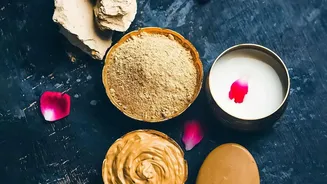
Masoor dal's oil-'absorbing properties make it a great base for masks targeting oily and acne-'prone skin. Combine one tablespoon of masoor dal powder with a pinch of turmeric and enough rose water to form a paste. Turmeric offers anti-'inflammatory and antibacterial benefits, which can help calm redness and prevent breakouts. Another effective combination is mixing masoor dal powder with multani mitti (Fuller's earth) and rose water to draw out impurities and control excess sebum. Apply the pack for about 15 minutes, and rinse before it dries completely to avoid stripping the skin.
For Skin Brightening and Tan Removal
To address dullness, uneven skin tone, or tanning, combine masoor dal with ingredients known for their brightening properties. A popular recipe involves mixing two tablespoons of soaked masoor dal paste with one tablespoon of yogurt and a pinch of turmeric. Yogurt provides a gentle brightening effect, while the dal exfoliates pigmented surface cells. It's important to note that while these packs can help reduce the appearance of a fresh tan by removing dead skin, they do not change your natural skin color. Consistent use helps reveal a brighter, more even complexion over time.
Important Precautions to Keep in Mind
While masoor dal is natural, it's not suitable for everyone or for daily use. It is best to use these face packs once or twice a week to avoid over-'exfoliation, which can lead to irritation, dryness, or redness. Always perform a patch test before applying a new mixture to your face, especially if you have sensitive skin. Dab a small amount of the paste behind your ear or on your inner elbow and wait 24 hours to check for any reaction. Avoid using these scrubs on active acne, broken skin, or sunburns, as the physical exfoliation can worsen irritation.