



Bengal’s Winter Delight: Nolen Gurer Payesh
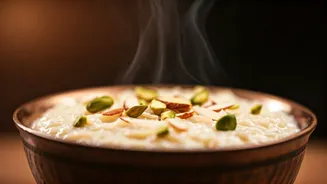
In West Bengal, winter is synonymous with the arrival of 'nolen gur' or fresh date palm jaggery. [30] This special jaggery, with its unique smoky aroma and caramel-like flavour, is the star of Nolen Gurer Payesh. [19, 26] Traditionally made with fragrant
Gobindobhog rice, full-fat milk, and the prized jaggery, this payesh (the Bengali term for kheer) is a creamy, luxurious dessert. [22, 26] The jaggery is typically added after the rice is cooked and the milk has thickened, often with the heat turned off to prevent curdling. [27] This process ensures a smooth texture and allows the distinct flavour of the nolen gur to shine, making it a beloved delicacy during festivals and special occasions. [19, 30]
Kerala’s Festive Favourite: Ada Pradhaman
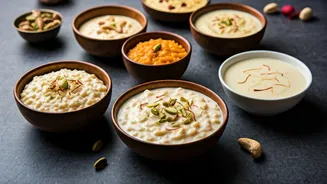
Travel south to Kerala, and you'll find Ada Pradhaman, a cornerstone of the celebratory 'sadhya' (feast), especially during the Onam festival. [7] This kheer, known locally as payasam, stands out because it uses 'ada'—small, dried rice pasta or flakes—instead of whole rice grains. [4, 7] The ada is cooked until soft and then simmered in a rich, luscious sauce made from coconut milk and jaggery, not sugar. [4, 5, 9] The use of coconut milk gives it a dairy-free, creamy base, while the jaggery imparts a deep, earthy sweetness. [4, 10] Often finished with ghee-roasted cashews, raisins, and slivers of coconut, Ada Pradhaman is a truly decadent and flavourful experience. [5, 9]
Hyderabad’s Royal Treat: Gil-e-Firdaus
From the royal kitchens of Hyderabad comes Gil-e-Firdaus, which translates to 'clay of paradise'. This opulent dessert is a wedding and festival staple, known for its rich and creamy consistency. [8, 14, 17] What makes it unique is the surprising combination of grated bottle gourd (lauki), sago pearls (sabudana), and coarse basmati rice, all slow-cooked in milk. [13, 14] The pudding is enriched with ingredients like condensed milk, khoya (milk solids), and sometimes almond paste, resulting in a melt-in-the-mouth texture. [8, 17] It’s a flavourful medley that turns a humble vegetable into a dessert fit for royalty. [13]
Kashmir’s Saffron Sensation: Kong Phirin
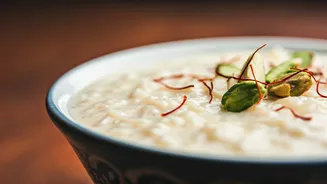
'Kong Phirin' is Kashmir's beautiful take on the classic phirni. In Kashmiri, 'Kong' means saffron, which is the star flavour of this dish. [18] Unlike traditional rice-based kheer or phirni, Kong Phirin is made with semolina (suji or rava), which is cooked in milk until it reaches a thick, custard-like consistency. [3, 6, 16] Generous amounts of fragrant saffron strands give the pudding its signature golden hue and delicate aroma. [3, 12] It is traditionally set in earthen bowls, which help cool it and absorb excess moisture, enhancing its texture. [3] Garnished with slivered almonds, this dessert is a creamy, light, and elegant treat. [3, 18]
Bihar’s Healthy Indulgence: Makhane Ki Kheer
From the region of Bihar comes Makhane ki Kheer, a pudding that is both delicious and nutritious. It is made from phool makhana, or fox nuts, which are the puffed seeds of the lotus flower. [15, 28, 31] The makhana are typically roasted in ghee until crisp, which gives them a delightful nutty flavour. [20, 28] They are then simmered in milk with sugar, cardamom, and saffron. [28, 32] Some of the roasted makhana might be coarsely ground to help thicken the kheer, while others are left whole, providing a unique, chewy texture. [28] Often prepared during religious fasts like Navratri, this kheer is a wholesome and comforting dessert. [28, 31]