




More Than Just a Plate
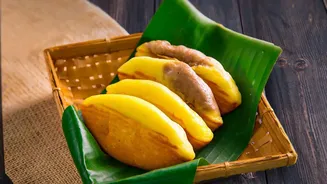
For generations, especially in Southern India, the banana leaf has been more than just a surface for serving food; it's a symbol of purity, prosperity, and hospitality. Using these large, vibrant green leaves as plates is a cherished tradition during
festivals, weddings, and special occasions. This practice connects the meal to nature in its purest form, representing abundance and gratitude towards the earth. Far from being a relic of the past, this custom is finding renewed relevance among those seeking a more sustainable and authentic way to celebrate. It transforms the act of eating into a cultural ritual, reminding us that the most elegant solutions are often rooted in simplicity and heritage.
An Eco-Friendly Choice
In an era of single-use plastics and overflowing landfills, the banana leaf stands out as a perfect natural alternative. Being fully biodegradable, it returns to the earth without causing harm. Beyond its environmental credentials, the leaf brings practical benefits to the table. Its large size can accommodate a full, multi-course meal, preventing different dishes from mixing. A natural waxy coating makes it waterproof, capable of holding curries and gravies, and also imparts a subtle, earthy aroma when hot food is placed on it, enhancing the overall flavour of the meal. Furthermore, banana leaves are considered hygienic due to their antimicrobial properties and the ease with which they can be cleaned with just a splash of water.
The Science of the Leaf
The choice of the banana leaf by our ancestors was not just based on convenience but also on innate wisdom. Modern science confirms that banana leaves contain natural antioxidants called polyphenols, similar to those found in green tea. When hot food is served on the leaf, some of these beneficial compounds are absorbed by the food, potentially offering health benefits by fighting free radicals in the body. While the amount absorbed is likely minimal, this subtle infusion adds another layer of goodness to your festive meal, alongside enhancing digestion. It's a beautiful synergy where tradition and health go hand-in-hand.
The Magic of Regional Produce
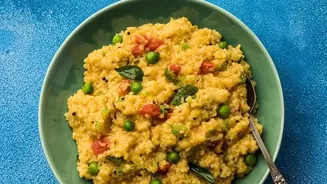
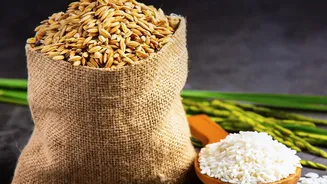
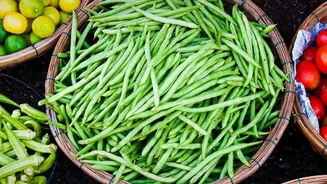
A sustainable feast goes beyond the plate it's served on. Embracing organic, regional produce is key to creating a menu that is fresh, flavourful, and supportive of local economies. Planning your festive dishes around seasonal vegetables, fruits, and grains ensures that the ingredients are at their peak in terms of taste and nutritional value. Think of vibrant winter greens for a Lohri celebration, fresh mangoes for a summer festival, or diverse millets for a wholesome meal. Using traditional sweeteners like jaggery instead of refined sugar, and sourcing spices and grains directly from local growers can further elevate your feast, making it a true celebration of India's rich agricultural diversity.
Crafting a Natural Tablescape
With banana leaves as your canvas, designing a stunning tablescape is simple and organic. The vibrant green itself provides a dramatic backdrop. Complement this by using other natural elements for decoration. Instead of plastic decor, consider strings of locally sourced flowers like marigolds or jasmine. Place earthen diyas or candles in terracotta or upcycled coconut shell holders to create a warm, inviting glow. Small bowls made of teak wood can hold salt, pickles, or snacks, adding another layer of natural texture. You can also make a centrepiece using fresh fruit, pinecones, or even colourful rangoli made from rice flour and turmeric, avoiding synthetic colours. The goal is to create a setting that is visually cohesive, earthy, and entirely biodegradable.