


What is Driving this Deeper Partnership?
The space relationship between India and the United States has evolved significantly from its early days. What was once a relationship based on specific projects is now a strategic imperative. A key driver is shared geopolitical interests, particularly
in creating a free and open Indo-Pacific. This has translated into closer collaboration in critical and emerging technologies. Both nations see space as a crucial frontier for economic and security interests. For India, a closer alignment enhances access to advanced technology and solidifies its position as a major spacefaring nation. For the US, partnering with a proven, cost-effective space power like India is a strategic advantage. Recent high-level talks, including the India-U.S. Civil Space Joint Working Group (CSJWG) meeting in Bengaluru in August 2026, have cemented this next chapter.
Artemis Accords and the Moon Base Invitation
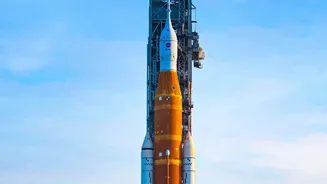
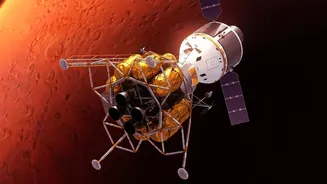
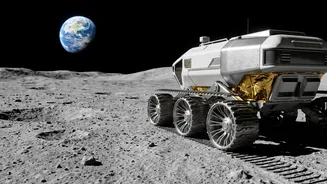
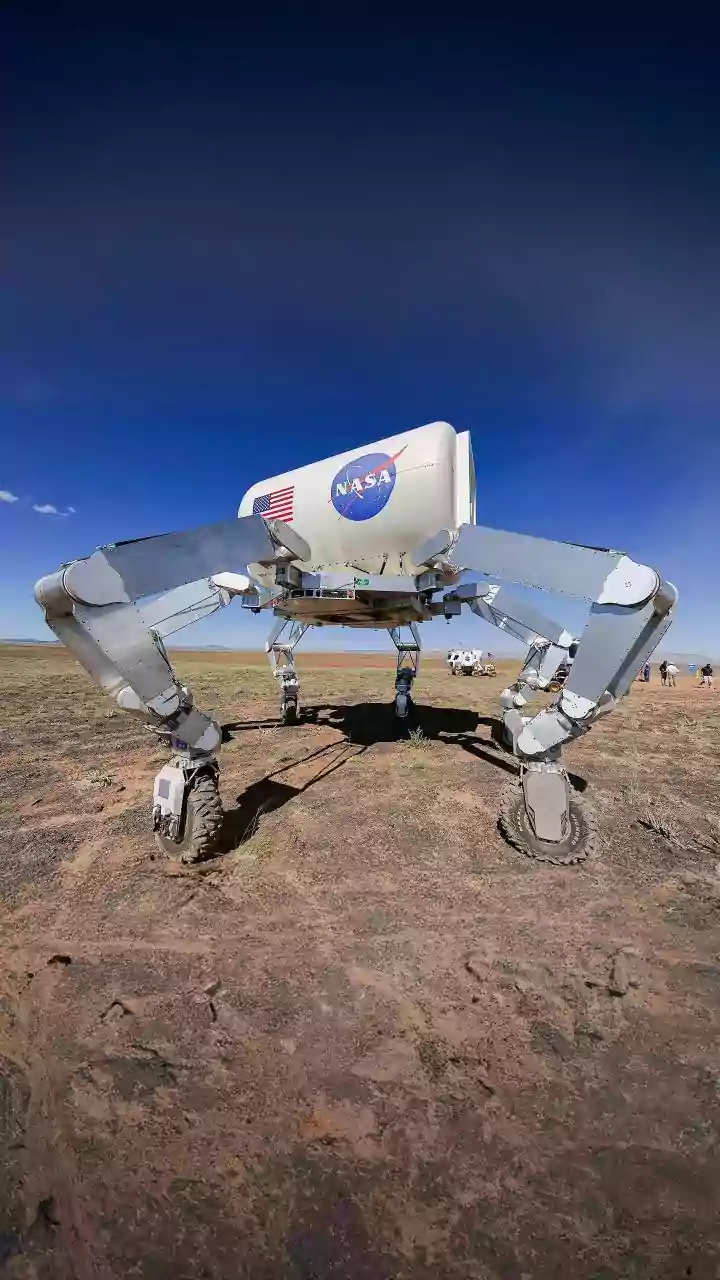
A cornerstone of this new chapter is India's decision to join the Artemis Accords in June 2023, becoming the 27th signatory. The Accords are a US-led set of principles for peaceful and transparent space exploration. This marked a strategic shift for India, moving from a traditionally independent path to one of collaborative global engagement in space. The most significant development came in August 2026, when NASA formally invited ISRO to participate in its Moon Base program. This ambitious project aims to establish a permanent human outpost near the Moon's south pole, with construction potentially beginning around 2030. India's participation could involve contributing scientific payloads, lunar surface technologies, or even infrastructure components, leveraging its proven expertise in lunar missions.
The NISAR Mission: A Landmark Achievement
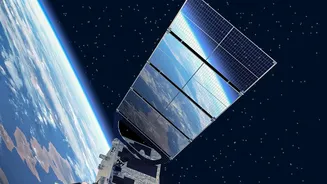
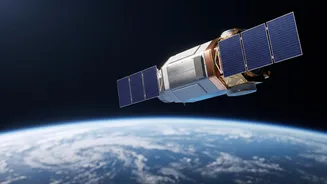
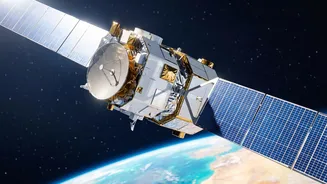
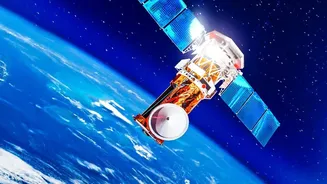
The successful launch and operation of the NASA-ISRO Synthetic Aperture Radar (NISAR) satellite is a testament to the partnership's potential. Launched in July 2025, NISAR is the world's most expensive Earth-imaging satellite and the first to use dual L-band and S-band radar frequencies to monitor our planet. This allows it to observe changes in Earth's land and ice surfaces with unprecedented accuracy, day or night, and in any weather. The mission provides crucial data for understanding climate change, managing natural resources, and responding to disasters like earthquakes and volcanoes. The data from NISAR is being made openly and freely available, demonstrating a commitment to using space exploration for the benefit of all humanity.
Human Spaceflight and Commercial Collaboration
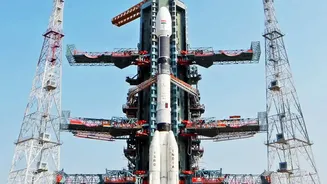
The collaboration is also extending to human spaceflight. NASA is providing advanced training to Indian astronaut candidates for a joint mission to the International Space Station (ISS). This groundbreaking effort, facilitated by Axiom Space, marks a major milestone in the partnership and supports India's own Gaganyaan human spaceflight program. Beyond government agencies, there is a strong push to foster commercial partnerships between the two countries' private space sectors. The U.S.-India initiative on Critical and Emerging Technology (iCET) is a key framework for this, aiming to build connections in areas like satellite manufacturing, launch systems, and space-based data applications. This commercial dimension is crucial for building a sustainable space economy in both nations.
What Comes Next for India and the US?
The invitation to join the Moon Base program is a pivotal moment, shifting India from a partner on specific missions to a potential co-author of humanity's future in space. Future collaborations will likely focus on deep-space exploration, with India's own plans to land an astronaut on the Moon by 2040 aligning with the goals of the Artemis program. The partnership will continue to advance discussions on open scientific data sharing, a key principle of the Artemis Accords. This strategic alignment is not just about technology; it's about shaping the norms and standards for space exploration in the 21st century. As both nations look towards the Moon, Mars, and beyond, their combined capabilities create a formidable force for scientific discovery and a rules-based order in space.