





A Park Designed for Walking
Satpura is one of the very few tiger reserves in India where visitors are permitted to explore the core forest area on foot. This unique distinction sets it apart from other popular parks where tourist movement is restricted to vehicles. The park management,
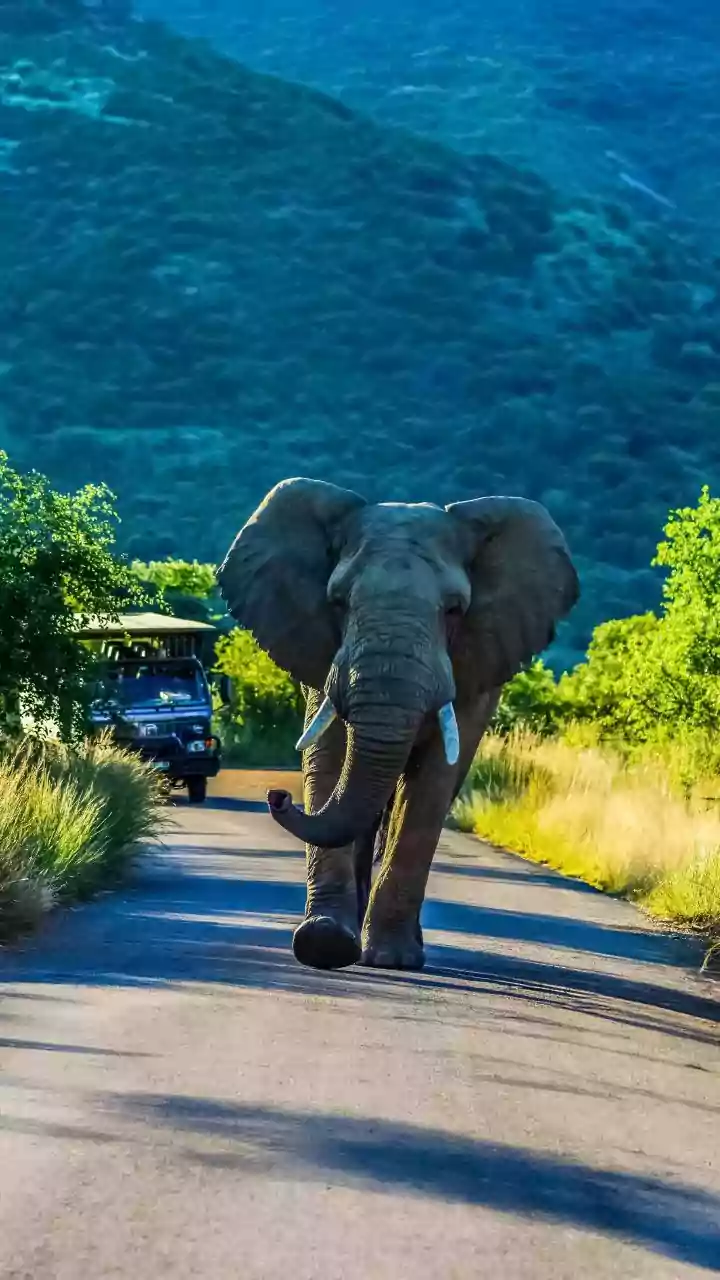
in collaboration with trained naturalists and forest guards, has curated walking trails that offer a safe yet thrilling way to experience the jungle. This approach provides a ground-level perspective that is simply unattainable from a noisy jeep, allowing for a deeper, more personal connection with the wilderness. The philosophy here is less about a high-speed chase for big cats and more about immersing yourself in the intricate web of life that thrives in the forest.
An Autumnal Paradise
The autumn season, from October to November, is arguably the best time for a walking safari in Satpura. Following the monsoon, the entire landscape is rejuvenated. The forest is draped in lush greenery, the dust has settled, and the air is crisp and clean. Temperatures are pleasant, avoiding the biting cold of deep winter and the scorching heat of summer, making for comfortable multi-hour treks. This post-monsoon period transforms the park into a visual spectacle, with vibrant flora and clear skies. Waterfalls and streams, fed by the recent rains, add to the scenic beauty, creating a serene environment for exploration.
Encounters Beyond the Tiger
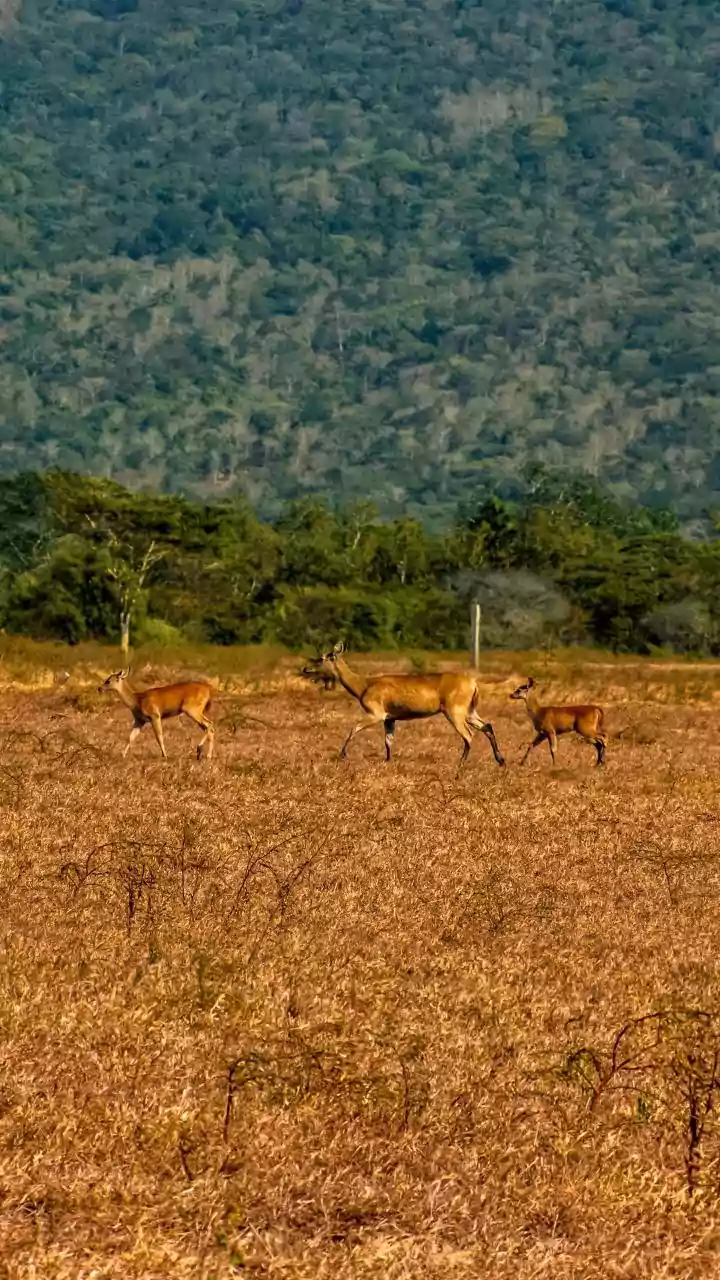
While Satpura is home to tigers, leopards, and wild dogs, the essence of a walking safari is the appreciation of the entire ecosystem. On foot, your senses are heightened. You’ll learn to identify animal tracks, listen for the rustle of a small mammal in the undergrowth, and spot the camouflaged insects and reptiles that drivers in jeeps almost always miss. The park is renowned for its excellent sightings of sloth bears, Indian giant squirrels, and a rich diversity of birdlife, with over 300 species recorded. A walking safari is an education in the language of the forest, where every sound and sign tells a story. It shifts the focus from the singular pursuit of tigers to a holistic appreciation of sambar deer, gaur (Indian bison), and the myriad smaller creatures that form the backbone of this habitat.
Dramatic Terrain and Diverse Landscapes
The name 'Satpura' translates to 'Seven Mountains', a nod to the region's rugged and varied topography. A walking safari here is never monotonous. The trails wind through dense teak and sal forests, open out into grassy meadows, and navigate the narrow gorges and deep ravines that define the park's character. You might find yourself trekking along the backwaters of the Tawa Reservoir or crossing the Denwa River, which teems with birdlife and marsh crocodiles. This dramatic landscape, with its sandstone peaks and ancient rock formations, is not just a backdrop but an active participant in the safari experience, offering stunning vistas and a tangible sense of adventure.
An Intimate and Thrilling Experience
There is a primal thrill to being on foot in tiger territory that cannot be replicated. Stripped of the metal shell of a vehicle, you feel a more profound connection to your surroundings. The silence of the forest is punctuated only by natural sounds—the chorus of cicadas, the call of a hornbill, the distant roar of a predator. This immersive experience is conducted in small, guided groups, ensuring minimal disturbance to wildlife and a more personal interaction with your naturalist guide. It’s a chance to slow down, observe patiently, and appreciate the subtleties of the wild in a way that is both humbling and exhilarating. The park even offers options for overnight camping in mobile camps, allowing for a complete wilderness immersion.