






The Golden Rules of Monsoon Shopping
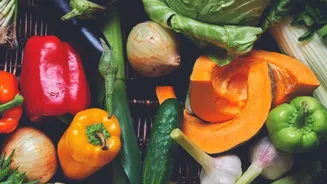
Your first line of defense is a careful inspection at the vegetable stall. Use your senses. Look for produce that is firm, vibrant in colour, and feels heavy for its size. Avoid anything that appears wilted, slimy, bruised, or has visible mould. A slimy film,
in particular, is a clear indicator of bacterial growth, which is accelerated by damp weather. Steer clear of pre-cut vegetables sold at stalls. While convenient, the combination of high humidity and exposure allows bacteria to multiply rapidly on cut surfaces. It's always safer to buy whole vegetables and cut them yourself at home just before cooking.
Handle Leafy Greens with Extreme Caution
Leafy vegetables like spinach (palak), fenugreek (methi), and cabbage are the riskiest buys during the monsoon. Their layered leaves grow close to the ground, easily trapping mud, pests, and contaminated water. The moisture in their folds becomes a perfect breeding ground for microbes. If you must buy them, inspect them meticulously for insects and excess mud. At home, they require a rigorous cleaning process. Many experts advise that if you can't guarantee a thorough wash and proper cooking, it might be best to limit their consumption during this season.
Safer Bets: Gourds and Root Vegetables
Vegetables that grow on vines or have a thick, protective skin are generally safer choices. Gourds like bottle gourd (lauki), bitter gourd (karela), and ridge gourd (turai) are excellent monsoon staples. Their tough outer layer protects them from direct contact with contaminated soil and water. Similarly, root vegetables like potatoes and onions should be firm, dry, and free from soft spots or sprouts. However, even with these, inspect carefully. For cruciferous vegetables like cauliflower and broccoli, gently part the florets to check for hidden worms or insects, which are more common in the damp weather.
The Home-Front: Washing and Storage
Bringing fresh produce home is only half the battle. Proper cleaning is non-negotiable. Wash all vegetables and fruits thoroughly under clean, running water. For leafy greens and vegetables with many crevices like cauliflower, soaking them in a bowl of water with a little salt or vinegar for 15-20 minutes can help dislodge hidden dirt and microbes. After washing, it is crucial to dry the produce completely before storage, as lingering moisture encourages rot. Store vegetables in breathable bags in the refrigerator and aim to consume them within a few days. Avoid buying in large quantities; frequent, small-batch shopping is a better strategy during the monsoon.
Rethinking Raw Foods and Salads
The risk of contamination from germs on the surface of raw vegetables is significantly higher during the monsoon. For this reason, many health experts and Ayurvedic tradition advise against consuming raw salads and sprouts, especially when eating out. The digestive system can also be more sensitive during this season. If you wish to have a salad, prepare it at home with vegetables that have been washed meticulously. A safer alternative is to switch to lightly steamed or stir-fried vegetables. Cooking is one of the most effective ways to kill harmful bacteria and ensure your meal is safe to eat.