





What Exactly is Sumac?
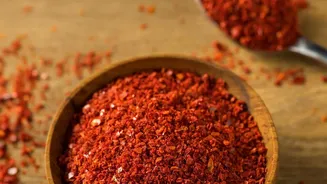
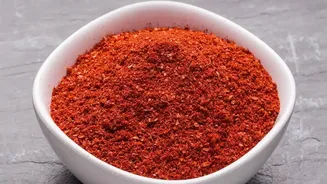
Sumac is a coarse, deep red powder made from the dried and ground berries of the Rhus coriaria shrub, which grows wild across the Mediterranean and Middle East. For centuries, it has been a cornerstone of the region's cuisine. It’s important to note that
this culinary sumac is completely different from and unrelated to poison sumac, so you can explore its flavour with confidence. The berries are harvested in dense clusters, dried, and then ground to create the fragrant spice you find in jars. Its primary role in cooking is to provide acidity and brightness, much like a lemon, but with its own unique character.
A Uniquely Tangy Flavour
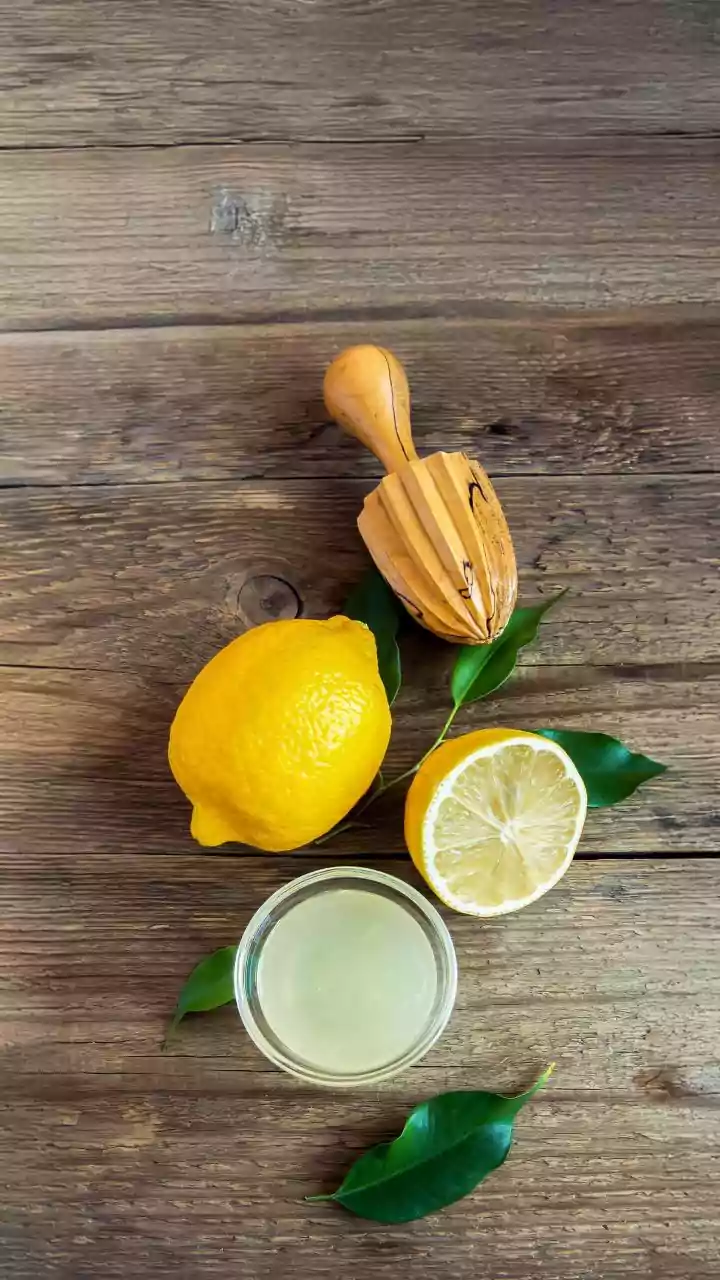
The flavour of sumac is best described as tangy, tart, and fruity. Think of the brightness of lemon zest, but with a softer, less harsh profile and a slightly earthy undertone. Unlike lemon juice or vinegar, sumac provides acidity without adding any liquid, making it incredibly versatile. This 'dry acid' quality means you can sprinkle it on delicate greens, roasted vegetables, or crispy toppings without making them soggy. The taste is not overpowering or bitter; instead, it offers a balanced tartness that enhances and cuts through richness in food.
A Star in Middle Eastern Cuisine
In the Middle East, sumac is as essential as salt and pepper are on many Western tables. It's a key ingredient in the iconic spice blend za'atar, where its tartness complements the herbal notes of thyme and the richness of sesame seeds. You will find it generously sprinkled over dips like hummus and baba ghanoush, not only for flavour but for a beautiful pop of colour. It’s the signature flavour in the classic Lebanese bread salad, fattoush, and is often used in marinades and dry rubs. One simple and popular preparation involves tossing thinly sliced onions with sumac and salt, creating a tangy condiment perfect for falafel wraps and kebabs.
Elevating Your Vegetarian Dishes
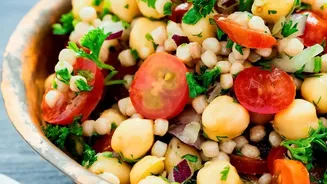
For vegetarian and vegan cooking, sumac is a game-changer. Its ability to add brightness can make plant-based dishes sing. Try tossing roasted vegetables like cauliflower, potatoes, or Brussels sprouts with olive oil and a generous dusting of sumac before baking. It adds a wonderful crust and tangy counterpoint to the sweetness of the roasted veggies. Whisk it into a vinaigrette for a vibrant salad dressing or stir it into a yogurt or labneh-based dip. A sprinkle over avocado toast, fried eggs, or a bowl of lentil soup can instantly elevate the dish. It also works wonderfully in marinades for tofu or tempeh, adding a citrusy depth before grilling or pan-frying.
More Than Just Flavour
Beyond its culinary uses, sumac is also valued for its nutritional properties. The spice is packed with antioxidants, including flavonoids, polyphenols, and vitamin C, which help protect the body's cells from damage. Some studies have pointed to its anti-inflammatory effects and potential role in helping to regulate blood sugar, though more research is needed. While a sprinkle of spice isn't a cure-all, it's a pleasant bonus that this delicious ingredient also brings some potential health perks to the table, adding another reason to incorporate it into your cooking rotation.