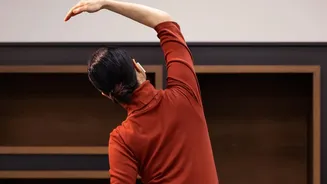







The festive season is a joyous whirlwind of family, friends, and food, but it often leaves our routines, especially exercise, behind. If you're feeling sluggish and ready to reclaim your mornings, this guide offers a gentle reset.
Start Slow and Be Kind to Yourself
After a break, your body
isn't ready to jump back to its previous peak performance. The biggest mistake is trying to go too hard, too soon. This can lead to injury, extreme soreness, and burnout, which will only derail your efforts. Forgive yourself for the break; many people's wellness routines slip during holidays. Instead of aiming for an hour-long intense session, start with 20-30 minutes of moderate activity. Think of it as re-introducing your body to movement. If you were lifting weights, start with lighter loads. If you were a runner, begin with brisk walking or jogging. The goal is consistency, not immediate intensity. Celebrate the win of just showing up.
Prioritise Sleep and Prepare the Night Before
A successful morning workout begins the night before. The late nights and disrupted schedules of the festive season can wreak havoc on your sleep cycle. Re-establishing a consistent bedtime is crucial. Aiming for a good night's rest helps your body recover and ensures you have the energy to wake up. To make your morning easier and reduce decision fatigue, prepare everything you need in advance. Lay out your workout clothes, shoes, and any equipment. Fill your water bottle and pack your gym bag if needed. Having everything ready to go removes friction and makes it much more likely that you'll follow through when your alarm goes off.
Reconnect With Your 'Why' and Set Realistic Goals
Motivation can be fleeting, especially when you're feeling tired. Take a moment to reconnect with why you want to exercise in the morning. Is it for more energy during the day, better mental clarity, stress relief, or long-term health? Reminding yourself of these benefits can be a powerful driver. Once you're clear on your 'why', set small, achievable goals. Instead of a vague resolution, aim for something specific like, 'I will do a 20-minute walk three mornings this week'. Achieving these small milestones builds confidence and momentum, making the process feel rewarding rather than overwhelming.
Choose Gentle, Enjoyable Movements
You're more likely to stick with something you actually enjoy. Your first few sessions back shouldn't feel like punishment. Start with low-impact activities that feel good for your body. This could be a brisk walk, a gentle yoga session, swimming, or cycling. Simple stretches like the Cat-Cow or a Standing Forward Bend can help awaken your muscles and loosen up a stiff back and hamstrings. Even a few sets of bodyweight squats or jumping jacks can get your heart rate up and boost your energy levels without requiring any equipment. The focus should be on movement and re_establishing the habit. The intensity can come later.
Hydrate and Fuel Your Body Properly
Festive indulgences can leave you feeling bloated and sluggish, and your body might be dehydrated. One of the first steps in your reset should be to focus on hydration. Start your day with a glass of water to re–energise your body and revitalise muscle tissues. Morning exercise can also kickstart your metabolism, helping you burn more calories throughout the day. Even a small, easily digestible snack before your workout, like a banana or a handful of nuts, can provide the energy you need to perform without feeling heavy. Post–workout, focus on meals with lean protein and vegetables to aid recovery and detoxification.
Use the 'Five–Minute Rule' to Beat Inertia
Some mornings, the biggest hurdle is simply starting. On days when your motivation is at an all–time low, commit to just five minutes of movement. Tell yourself that's all you have to do. Often, overcoming that initial resistance is the hardest part. Once you start moving, the endorphins kick in, and you'll likely find you have the energy and desire to continue. This psychological trick removes the pressure of a full workout and makes the task seem less daunting. It reframes exercise from a huge commitment to a small, manageable action, making it easier to build a consistent habit.