




The Language of Festive Food
In India, food is a love language, and during festivals, it’s spoken fluently. Each dish, from the sweets that mark Diwali to the feasts of Eid, tells a story of tradition, region, and spirituality. Food is not merely for sustenance; it is an integral
part of the celebration, prepared as an offering to deities before being shared as 'prasad' (a blessed offering). This act elevates a meal from a simple gathering to a communal experience of receiving blessings. The kitchen becomes the heart of the home, buzzing with activity that brings generations together. Understanding this context transforms your role as a host or guest. You are not just sharing a meal; you are participating in a cherished ritual that binds family and community, celebrating shared heritage and the triumph of good over evil.
Hosting with Heart and Tradition
Hosting a festive gathering is a significant honour. To do it well, blend warmth with a few key traditions. Start by cleaning and decorating your home; tradition holds that a clean, welcoming space invites blessings. When planning your menu, consider the seasonal wisdom behind many festive foods, which are often designed to align with the body's needs. For example, winter festival foods often include warming ingredients like sesame and jaggery. While a grand spread is common, it's more important that guests feel welcomed. Greet them at the entrance, perhaps decorated with a rangoli, and have snacks and drinks ready. It’s also thoughtful to be mindful of diverse dietary practices, as many guests may be vegetarian. Ultimately, a successful host is one who is present with their guests, so preparing some dishes ahead of time can free you from the kitchen.
Being a Thoughtful Guest
As a guest, your role is to receive the host's hospitality with grace and enthusiasm. Arriving on time is respectful, though for larger parties, arriving a little after the start time is common. It's customary to bring a small gift, but avoid bringing flowers upon arrival, which can create a hassle for the host; sending them ahead is a better option. Sweets are a classic and always welcome gift. When it comes to eating, some etiquette is key. Always use your right hand to eat, especially if eating by hand, as the left hand is traditionally considered unclean. Wash your hands before and after the meal. It is polite to try a little of everything offered and to finish the food on your plate to show you appreciate the meal and avoid waste. Most importantly, participate joyfully—join in conversations, try the different foods, and embrace the festive spirit.
Decoding the Festive Platter
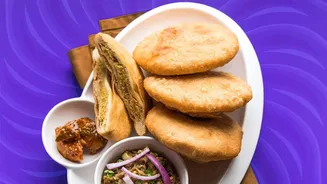
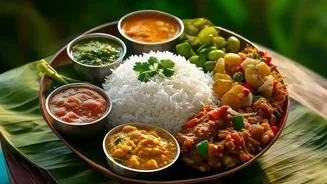
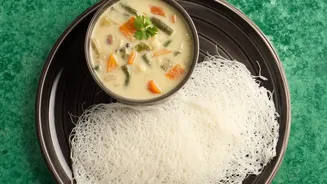
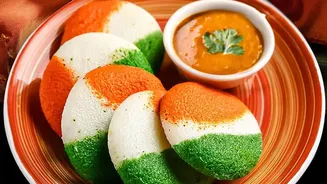
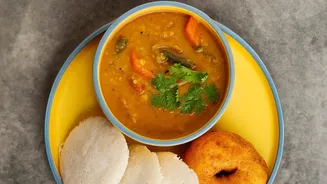
Many of the foods served during Indian festivals have specific significance. Sweets, or 'mithai', are central to most celebrations, symbolising joy, prosperity, and the sweetness of life. During Diwali, laddoos and barfis are ubiquitous. For Holi, the festival of colours, you'll find 'gujiya', a sweet dumpling, and 'thandai', a cooling milk-based drink. Eid celebrations are often marked by lavish dishes like biryani and the sweet vermicelli pudding, 'sheer khurma'. Beyond the famous dishes, there is immense regional diversity. Southern India's Pongal festival, for instance, features a namesake dish made from newly harvested rice, symbolizing abundance. Knowing a little about these connections not only enhances your appreciation but also provides a wonderful topic of conversation with your hosts and fellow guests.
Tradition in a Modern World
In today’s world, especially in urban areas and the diaspora, some traditions have adapted. For instance, while eating with hands is traditional, cutlery is now common in many homes. If you're unsure, simply observe what others are doing or ask. Similarly, dress codes may be more relaxed, but festive occasions are a wonderful opportunity to embrace vibrant colours and traditional wear; avoiding all-black or all-white outfits is generally a good rule of thumb. Potlucks are also becoming more common, allowing everyone to contribute. Even with these modern shifts, the core values remain the same: respect, gratitude, and community. Whether you're at a large, catered party or a small family potluck, the spirit of the holiday is found in the shared experience and the effort made to make others feel welcome and cherished.