
The Secret to Satiety
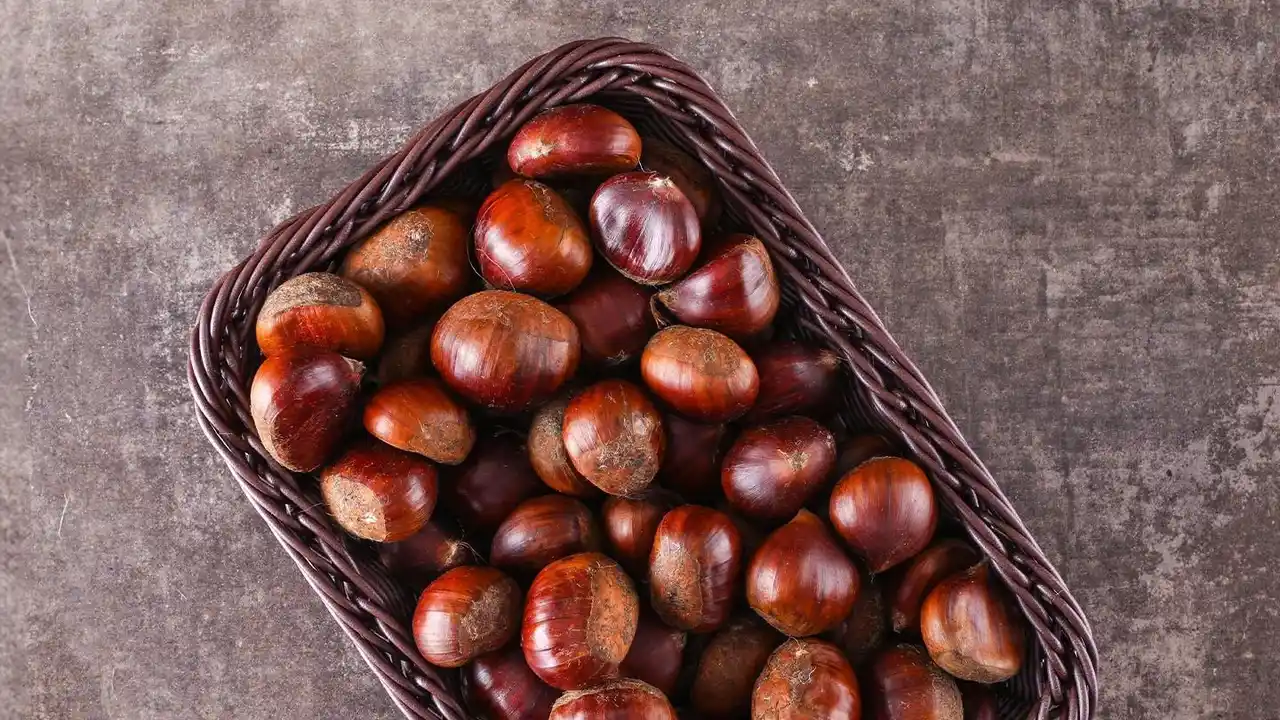
Unlike most other nuts, which are high in fats and protein, chestnuts have a different profile that makes them uniquely satisfying. They are primarily composed of complex carbohydrates and water, with a significant amount of dietary fibre. This combination
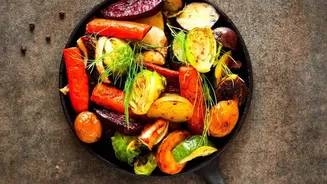
is key to making you feel fuller for longer. The fibre slows down digestion, preventing the rapid spikes and crashes in blood sugar that can lead to hunger pangs. This slow-release energy is what turns a light plate of roasted vegetables into a genuinely substantial meal.
A Nutritional Powerhouse
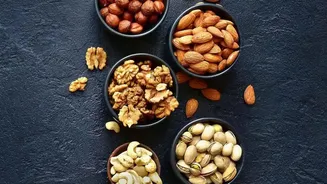
Chestnuts are often called the 'un-nut' for their distinct nutritional makeup. They are surprisingly low in fat and calories compared to almonds or walnuts. A serving of roasted chestnuts offers a good amount of fibre, which aids digestion and promotes gut health. Unusually for a nut, they are also a great source of Vitamin C, a powerful antioxidant. Furthermore, they provide essential minerals like manganese, copper, and potassium, which support everything from bone health to blood pressure regulation.
Flavour and Texture that Transform
Beyond their filling properties, roasted chestnuts bring a wonderful texture and flavour to vegetable dishes. When cooked, they have a soft, almost buttery consistency that is more similar to a baked potato than a crunchy nut. Their taste is mildly sweet and earthy, which complements a wide range of vegetables. This unique combination of a soft bite and sweet, nutty flavour adds a layer of complexity and comfort to simple recipes, making the entire dish feel more robust and thoughtfully prepared.
How to Roast Chestnuts at Home
Roasting chestnuts is a simple process that fills your kitchen with a festive aroma. To start, preheat your oven to around 200°C (400°F). Using a sharp knife, carefully score an 'X' on the rounded side of each chestnut. This crucial step prevents them from exploding from steam buildup. Place the scored chestnuts on a baking sheet and roast for 15-25 minutes. You'll know they're ready when the shells begin to peel back and the nut inside is tender. Let them cool just enough to handle, then peel away the hard outer shell and the papery inner skin while they are still warm for best results.
Perfect Vegetable Pairings
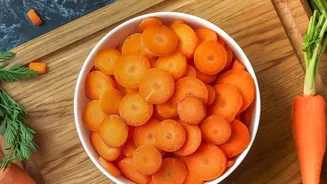
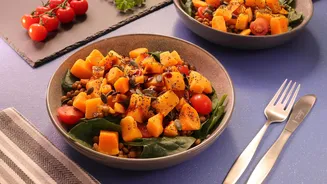
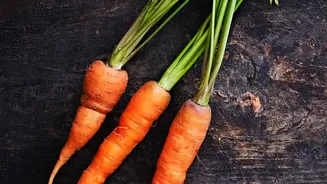
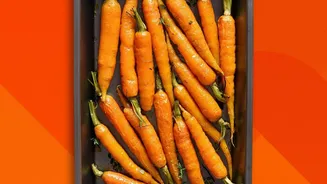
The versatility of roasted chestnuts means they can elevate many different vegetable dishes. They pair exceptionally well with classic autumn and winter vegetables. Try tossing them with roasted Brussels sprouts, butternut squash, carrots, or parsnips. The sweetness of the chestnuts balances the earthiness of sprouts and the sweetness of root vegetables. For a simple side, add chopped chestnuts to roasted mushrooms and onions. You can also stir them into a grain bowl with kale or add them to a simple green salad for extra texture and substance. Add the cooked chestnuts near the end of the roasting time to warm them through without overcooking.