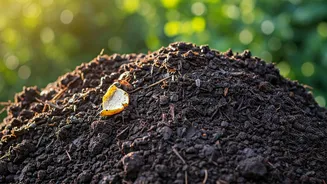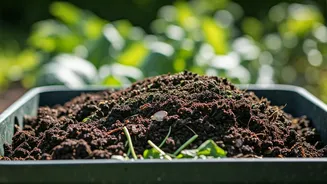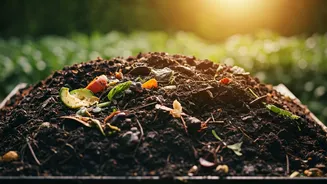





The Trend: From Waste to 'Black Gold'
Look inside the kitchens of urban India, and you’ll find a quiet revolution underway. It’s not a new gadget or a fancy appliance, but a simple, earthy habit: home composting. While the headline’s claim of 'every household' might be an exaggeration, the trend
is undeniable. A significant and rapidly growing number of families, from apartments in Mumbai to bungalows in Bengaluru, are diverting their kitchen scraps—vegetable peels, fruit cores, tea leaves, and coffee grounds—from the bin and turning them into 'black gold', or nutrient-rich compost. This isn't just about gardening; it’s a direct response to India's mounting waste crisis. Our landfills are overflowing, and studies show that over 50% of the municipal solid waste in Indian cities is organic. By composting, these households are tackling the problem at its source, one banana peel at a time.
Why Is This Happening Now?
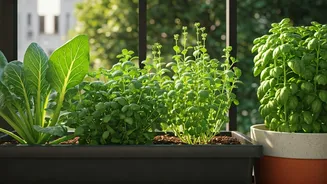
Several factors are converging to make home composting more popular than ever. Firstly, there’s a heightened sense of civic and environmental responsibility, partly driven by national campaigns like the Swachh Bharat Mission, which has encouraged waste segregation. Secondly, the pandemic spurred a boom in home gardening and a desire for more self-sufficient lifestyles. People who started growing their own herbs and vegetables quickly realised the value of natural, chemical-free fertilizer. Thirdly, it's becoming incredibly accessible. A host of Indian startups now offer user-friendly, compact, and odour-free composting solutions designed specifically for apartment balconies and small kitchens. This combination of awareness, need, and accessibility has created the perfect environment for the composting habit to flourish.
Getting Started: Your First Steps
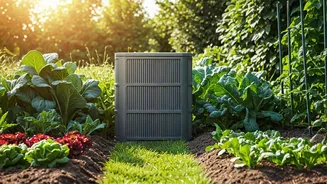
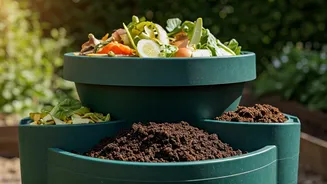
The idea of a compost pile might conjure images of a smelly, messy heap, but modern methods are clean and simple. To begin, you only need a few things: a dedicated bin, a carbon source ('browns'), and your kitchen waste ('greens').
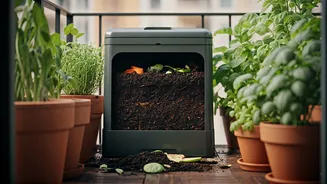
1. Choose a Bin: You can buy a specially designed composter (like a terracotta 'Kambha' or a plastic tumbler) or even make one yourself from a bucket with holes drilled for aeration.
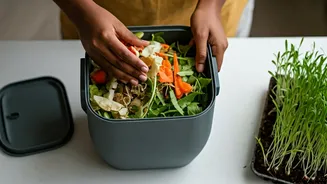
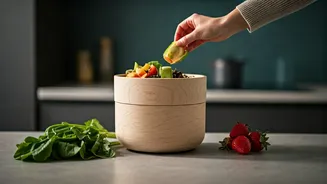
2. Collect Your 'Greens': This is the easy part. Keep a small container in your kitchen for all raw plant-based scraps: vegetable peels, fruit waste, coffee grounds, tea bags (without the staple), and eggshells.
3. Source Your 'Browns': This is the crucial carbon-rich material that prevents smell and balances the mix. Good sources include dried leaves, sawdust, cocopeat (widely available), shredded newspaper, and cardboard.
The basic rule is to layer. Start with a layer of browns, add your greens, and then cover with another layer of browns. This keeps moisture in check and prevents pests and odours.
What to Compost (and What to Avoid)
Success with composting often comes down to knowing what to put in your bin. Think of it as feeding a living ecosystem. It thrives on a balanced diet.
YES, PLEASE (The 'Greens'):
* Raw fruit and vegetable scraps
* Coffee grounds and tea leaves
* Crushed eggshells
* Flowers and plant trimmings
YES, IN MODERATION (The 'Browns'):
* Dried leaves, twigs, and wood chips
* Shredded newspaper or cardboard (uncoated)
* Cocopeat or sawdust
NO, THANK YOU (The Troublemakers):
* Meat, fish, and bones (attract pests and smell)
* Dairy products (like cheese and milk)
* Oily or greasy foods
* Cooked food leftovers (can attract rodents and disrupt the process)
* Pet waste
Sticking to this list will ensure your compost remains healthy, aerobic, and odour-free.
The Many Rewards of Composting
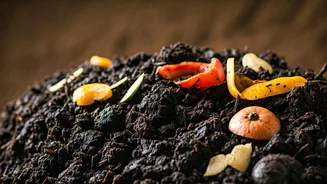
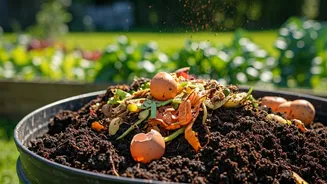
After a few weeks or months, depending on your method, you’ll be rewarded with dark, crumbly, and sweet-smelling compost. The most obvious benefit is the free, high-quality fertilizer for your plants, making them healthier and more resilient. But the rewards go much deeper. By composting, you drastically reduce the amount of waste your household sends to the landfill. This, in turn, cuts down on methane emissions, a potent greenhouse gas produced when organic matter rots in landfills. You become an active participant in a circular economy, closing the loop between the food you eat and the soil it comes from. It’s an empowering, tangible action that provides a sense of accomplishment and a direct connection to the natural world, right from your own home.