


The Science of a Satisfying Crunch
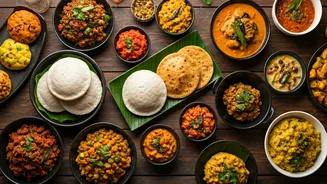
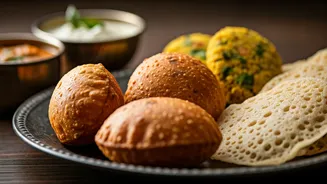
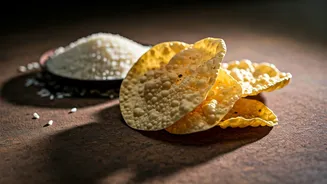
Why are we so obsessed with crunchy food? It’s not just a preference; it’s wired into our psychology. Food scientists call it ‘dynamic contrast’—the pleasurable sensation that comes from combining different textures in one bite, like the crispiness of
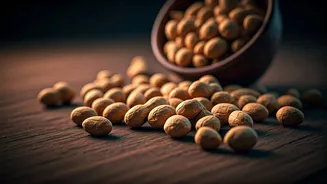
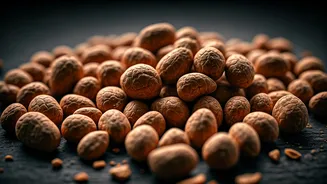
a dosa with its soft potato filling. A crunch signals freshness and provides an auditory feedback loop that makes eating a more engaging, multi-sensory experience. When you bite into something crunchy, the sound travels through the bones in your jaw to your inner ear. Your brain processes this sound as a positive attribute, often interpreting it as a sign of high-quality food. The humble roasted peanut is a master of this effect. Its brittle, crumbly structure provides a powerful textural counterpoint to softer ingredients, waking up the palate and preventing flavour fatigue. A dish without texture can feel monotonous and flat, no matter how well-seasoned it is. The peanut crunch is the jolt of energy that brings it to life.
An Unsung Hero of the Indian Kitchen
While modern chefs talk about 'textural elements', Indian home cooks have understood this principle for generations. Roasted peanut crunch, in various forms, is a cornerstone of regional cuisines across the country. In Maharashtra, ‘shengdana koot’—a coarse powder of roasted peanuts—is indispensable. It lends body and a nutty depth to sabzis, salads (koshimbir), and is the very soul of fasting dishes like sabudana khichdi, transforming a potentially sticky dish into a perfectly balanced meal. Head to Gujarat, and you’ll find it adding a sweet-savoury crunch to dabeli and various chaats. In the South, peanuts are often used whole or roughly chopped in tamarind rice (pulihora) and other stir-fries, providing pops of texture and richness. This isn’t just about garnish. In these contexts, the peanut is a structural ingredient, as crucial to the final dish as the main vegetable or grain. It’s a testament to the quiet genius of our culinary traditions.
Thinking Beyond the Sprinkle
The biggest mistake we make is treating the peanut crunch as an afterthought—a last-minute sprinkle for decoration. Its true potential is unlocked when it’s integrated more thoughtfully into the cooking process. Think of it as a foundational flavour-builder. Try adding a spoonful of shengdana koot to your next vegetable stir-fry along with the spices; it will toast gently and create a nutty, delicious coating. Mix it into the filling for parathas or samosas to introduce a surprising and delightful texture. Use a finely ground peanut powder as a thickener for gravies and curries, where it will add body, creaminess, and a subtle, earthy flavour that is far more interesting than cornflour. You can even use it as a crust. Instead of breadcrumbs, try coating patties, paneer, or chicken in a mixture of coarse peanut crunch and spices before pan-frying or baking for an incredible, gluten-free crust.
How to Make the Perfect All-Purpose Crunch
Having a jar of ready-to-use roasted peanut crunch is a kitchen superpower. Making it is incredibly simple. Start with raw peanuts. Dry-roast them in a heavy-bottomed pan on low-medium heat, stirring constantly until they turn fragrant, golden-brown, and you hear a popping sound. Alternatively, you can roast them in a single layer on a baking sheet in a 175°C oven for 15-20 minutes. The key is even roasting without burning them. Let them cool completely. The skins should rub off easily between your palms. For the crunch, you have two options. For a coarse, rustic texture perfect for garnishes, place the roasted peanuts in a plastic bag and gently crush them with a rolling pin. For a finer powder (shengdana koot), pulse them a few times in a mixer-grinder. Be careful not to over-grind, or you’ll end up with peanut butter! Store your crunch in an airtight container at room temperature for a couple of weeks, and you’ll find yourself reaching for it for everything from poha and upma to noodles and salads.