






Healthcare and Personal Care
Fields that require a human touch are proving to be highly resistant to automation. Doctors, nurses, therapists, and personal care aides rely on empathy, nuanced communication, and the ability to respond to unpredictable human needs. While AI can assist
with diagnostics or administrative tasks, it cannot replicate the trust and emotional support that are central to patient care. Roles like mental health counsellors and occupational therapists, which involve deep emotional intelligence and building relationships, are not only secure but are seeing projected growth.
The Skilled Trades
Electricians, plumbers, carpenters, and mechanics work in dynamic, unpredictable physical environments. Their jobs require complex problem-solving on the spot, manual dexterity, and an ability to adapt to situations that a robot, trained in a predictable setting, cannot handle. While AI might help with scheduling or diagnostics, the core hands-on work remains fundamentally human. These careers are not just surviving but are essential for maintaining and building the physical infrastructure around us.
Creative Professions and Strategy
While AI can generate text or images, it struggles with genuine originality, cultural nuance, and strategic vision. Roles like creative directors, artists, designers, and authors depend on these very qualities. These fields are about more than just producing content; they involve understanding human taste, telling compelling stories, and creating novel ideas. Similarly, strategic roles in management and business require navigating ambiguity and making complex judgments that are beyond the scope of current AI. AI can be a powerful tool for brainstorming or analysis, but the creative spark and strategic direction come from people.
Education and Early Childhood Development
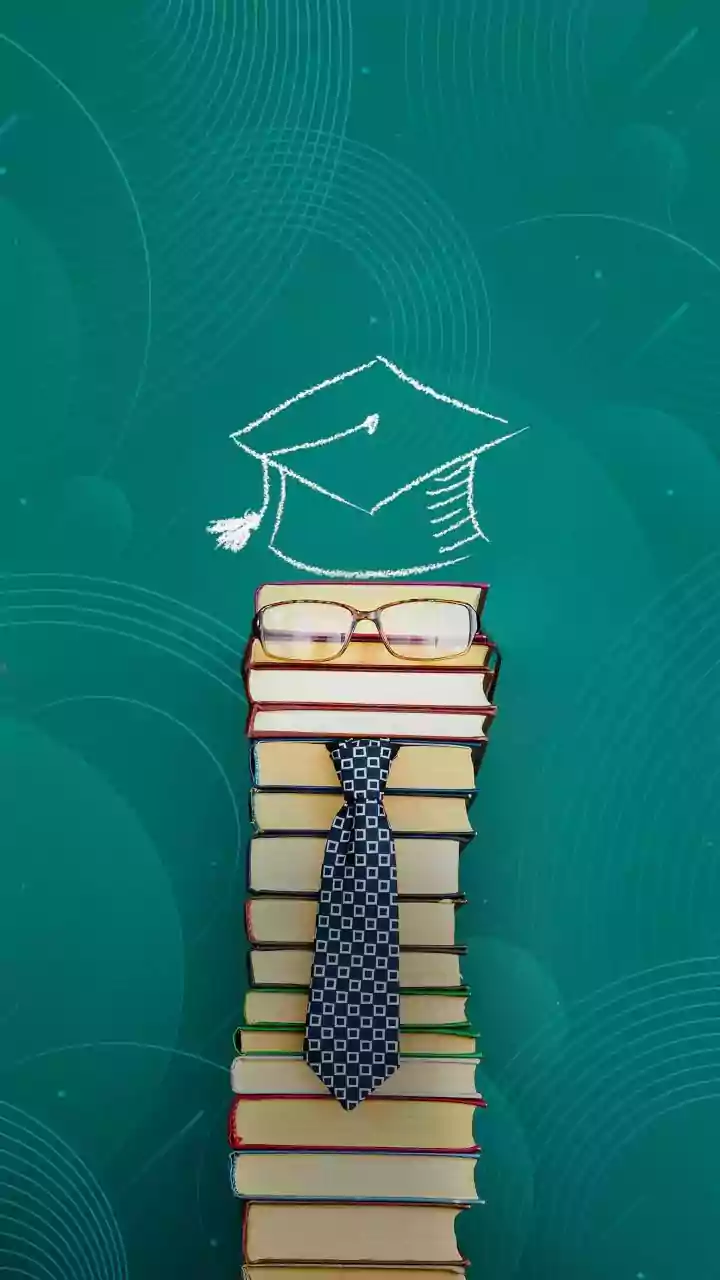
Teaching is profoundly relational. Educators do more than just transfer information; they inspire curiosity, provide emotional support, and manage complex classroom dynamics. This is especially true for early childhood education, where fostering social skills and emotional development is paramount. AI can provide personalised learning tools, but it cannot replace the mentorship, encouragement, and human connection a great teacher provides.
Human-Centric and Leadership Roles
Jobs centered on managing people and navigating complex social structures are becoming more valuable. Human Resources managers, for example, handle nuanced interpersonal conflicts and organizational culture, which requires a deep understanding of human behaviour. Likewise, effective leadership involves vision, empathy, and building trust—qualities that can't be programmed into an algorithm. As routine tasks get automated, skills like collaboration, negotiation, and people management are in higher demand than ever.
Cybersecurity and AI Specialists
Ironically, the rise of AI has created a massive demand for people who can build, manage, and protect these systems. Roles like AI and machine learning engineers, cybersecurity experts, and data scientists are among the fastest-growing fields in India. These professions require advanced technical skills, critical thinking to anticipate threats, and the creativity to solve complex problems that AI itself generates. Protecting digital systems from ever-evolving threats requires human ingenuity that stays one step ahead.