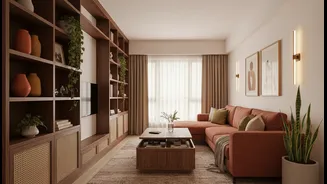






The Challenge: The Urban Space Crunch
In bustling Indian cities, apartments are getting smaller while our storage needs grow. A poorly planned wardrobe doesn't just waste space; it creates daily frustration, making it hard to find what you need and adding to visual clutter. The solution isn't
necessarily a bigger flat, but a smarter wardrobe. By rethinking how we design and use our storage, even the most compact bedroom can feel orderly and spacious. It starts with moving beyond traditional almirahs and embracing designs built for modern urban life.
Think Vertically: Floor-to-Ceiling Designs
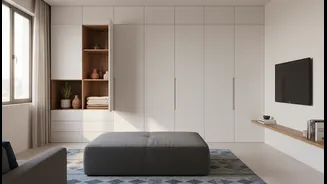
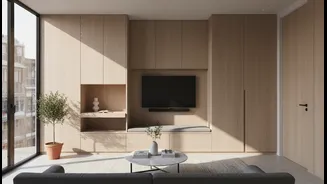
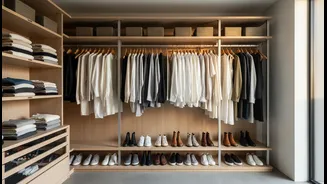
One of the most effective strategies is to use the full vertical height of your room. Floor-to-ceiling wardrobes eliminate the awkward, dust-collecting gap above a standard cupboard. This high-up space, often called a loft, is perfect for stashing away items you don't need daily, such as seasonal clothing like heavy winter wear, luggage, or extra bedding. By drawing the eye upward, these wardrobes also create an illusion of a higher ceiling, making the entire room feel larger and more open. Choosing light colours for the wardrobe finish can further enhance this sense of airiness.
Embrace Smart Layouts and Doors
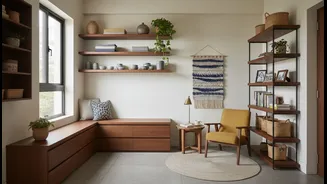
The type of wardrobe door you choose can have a huge impact on your room's layout. Traditional hinged doors require significant clearance to swing open, which can be a problem in tight spaces. Sliding door wardrobes are an excellent alternative, as they move along a track and don't eat into your floor space. For an added bonus, opt for mirrored sliding doors. Mirrors reflect light and visually double the perception of space, making your room feel brighter and more expansive while also eliminating the need for a separate dressing mirror. For awkward corners, an L-shaped wardrobe can turn a wasted area into a highly functional storage zone.
Master the Interior: Modular and Customised
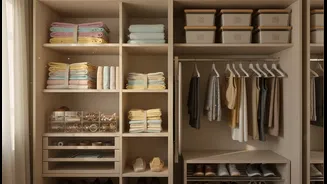
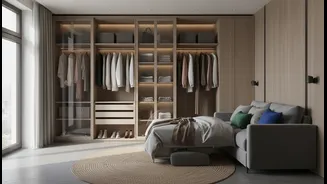
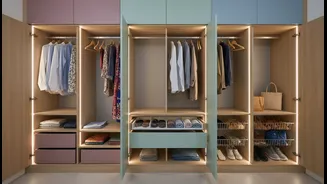
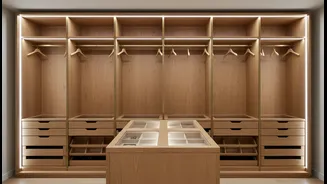
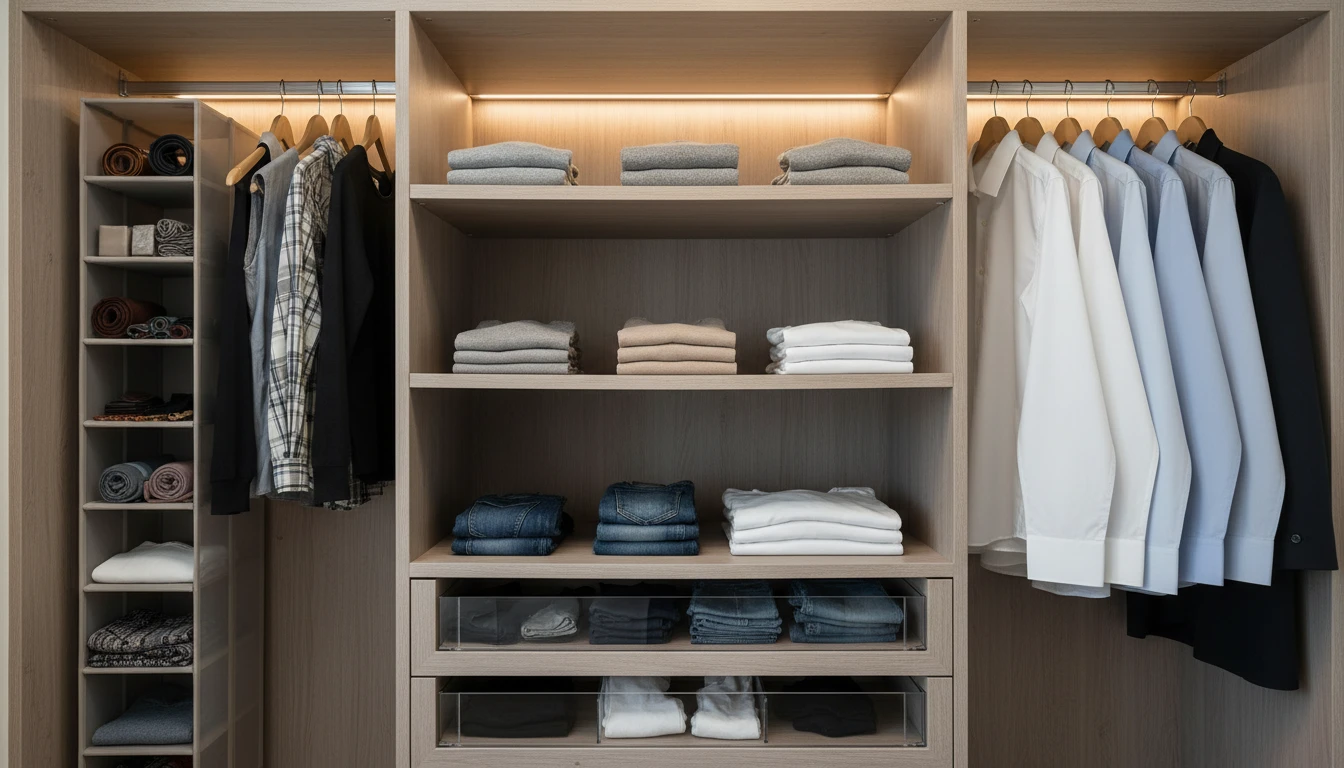
The real magic of a storage-efficient wardrobe lies within. Modular systems allow you to customise the interior to your exact needs. Think about what you own and plan accordingly. Double hanging rods—one above the other—can double the space for shirts and blouses. Pull-out trouser racks keep formal pants organised and crease-free. Incorporate a mix of shallow drawers for accessories and deeper ones for folded clothes. Adjustable shelves provide flexibility as your needs change over time. Planning the interior thoughtfully is key to ensuring every item has its own designated, easy-to-access spot.
Solutions for Indian Attire
Indian clothing requires special consideration. Heavy lehengas, delicate sarees, and long kurtas don't always fit well in standard Western-style closets. When planning your wardrobe, include dedicated sections for these items. Wider, deeper shelves are ideal for neatly folded sarees, preventing creases and allowing them to breathe. Using acid-free tissue paper between folds can help preserve delicate embroidery. Long hanging sections are necessary for anarkalis and gowns, while specific racks can be used for dupattas and stoles. Vacuum-sealed bags are a fantastic solution for storing bulky, less-frequently used occasion wear, reducing their volume significantly.
Beyond the Wardrobe: Multifunctional Furniture
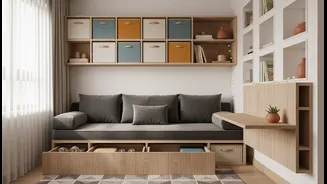
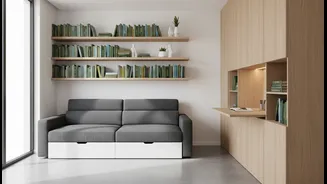
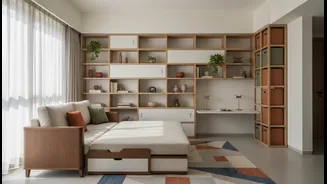
Maximising storage isn't just about the wardrobe. Many other pieces of furniture can do double duty. Beds with hydraulic lift-up mechanisms or built-in drawers offer a massive amount of hidden storage perfect for extra linens and seasonal items. An ottoman with a lift-off lid can serve as extra seating and a place to hide away magazines or throws. In the living room, a sofa-cum-bed can be a lifesaver for overnight guests, and many models now come with built-in storage compartments. By choosing furniture that is multifunctional, you reduce clutter and make every square foot of your home work harder.