





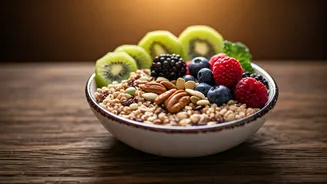


The Habit: Front-Load Your Day
The single most impactful mealtime habit for better energy is to make breakfast your largest meal of the day, a practice often called front-loading calories. This means consuming the majority of your daily food intake earlier in the day—at breakfast and
lunch—and having a smaller, lighter dinner. This approach works in harmony with your body's natural rhythms to optimize how you use fuel. The old adage, “Eat breakfast like a king, lunch like a prince, and dinner like a pauper,” has significant scientific backing. [9, 24] Studies suggest that our bodies are simply better equipped to process food in the morning.
The Science of Your Body Clock (Chrononutrition)
This concept is a core principle of an emerging field called chrononutrition, which studies how meal timing interacts with our internal 24-hour clocks, or circadian rhythms. [8, 11] These rhythms govern nearly all of our physiological processes, including metabolism and digestion. [11] Research shows our metabolism is most active and our insulin sensitivity is highest in the morning. [12, 14] This means your body is primed to efficiently burn calories for energy early in the day. [9] In fact, one study found that the energy expended to digest a meal—a process called diet-induced thermogenesis (DIT)—is up to 2.5 times higher in the morning than in the evening, regardless of the meal's size. [9, 17] Eating late at night, when your metabolism naturally slows, can lead to less efficient processing, which may result in more calories being stored as fat. [10, 22]
Why a Big, Protein-Rich Breakfast Is Key
While front-loading calories is crucial, the composition of your breakfast matters just as much. A large breakfast that is high in protein is particularly effective for sustained energy. [1] Unlike breakfasts heavy in refined carbohydrates that cause a rapid spike and subsequent crash in blood sugar, protein digests slowly. [4] This slow digestion promotes stable blood sugar levels, providing a steady stream of energy that can last for hours and improve focus. [1, 18, 21] Incorporating 20-30 grams of protein from sources like eggs, Greek yogurt, or tofu can also increase feelings of fullness and regulate appetite hormones, reducing cravings for unhealthy snacks later in the day. [19, 18]
The Problem with Large Evening Meals
For many, the largest meal of the day is dinner, often eaten late in the evening. This habit works against your body's natural clock. [6] Consuming a heavy meal close to bedtime can disrupt digestion and sleep quality. [10, 25] Your body's digestive system slows down at night as it prepares for rest, and forcing it to work hard can lead to discomfort and interfere with your ability to get deep, restorative sleep. [10, 25] Furthermore, since insulin sensitivity is lower at night, a large, carb-heavy dinner can cause more significant blood sugar fluctuations, which can disrupt sleep and leave you feeling groggy the next morning. [10, 22]
How to Make the Switch
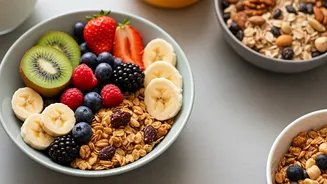
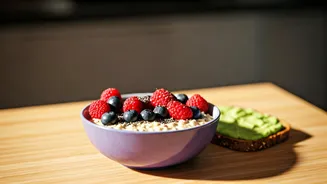
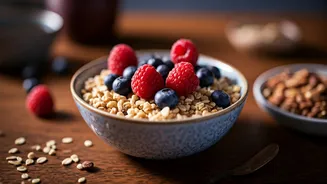
Shifting your eating pattern can feel daunting, but you can start small. Begin by gradually increasing the size of your breakfast while slightly reducing your dinner portion. Focus on adding protein and healthy fats to your morning meal to promote satiety. Planning is key; have healthy, protein-rich breakfast options ready to go, like a pre-made frittata, overnight oats with nuts and seeds, or a protein smoothie. [19] Listen to your body's hunger cues. It may take a few weeks for your appetite to adjust to the new schedule, so be patient. If a large breakfast feels like too much at first, try a moderately sized breakfast followed by a mid-morning snack. [16] The goal is to consume more of your fuel when your body is ready to use it most efficiently. [11]