



Beyond the Commercial Buzz
In a world of bustling tourist hubs, Bhutan stands apart. [4, 10] Its unique philosophy of 'High Value, Low Impact' tourism means visitor numbers are managed, ensuring that its pristine landscapes and cultural integrity are preserved. [12, 18] For couples,
this translates into a travel experience that is private, personal, and profoundly peaceful. [14, 23] Instead of navigating crowds, duos find themselves exploring quiet monasteries, walking through untouched forests, and sharing moments of genuine connection. The country’s focus on Gross National Happiness over pure economic growth is palpable; the pace of life is slower, the air is cleaner, and the atmosphere is spiritually calming, making it a perfect antidote to modern stress. [4, 16]
Paro Valley: A Spiritual Welcome
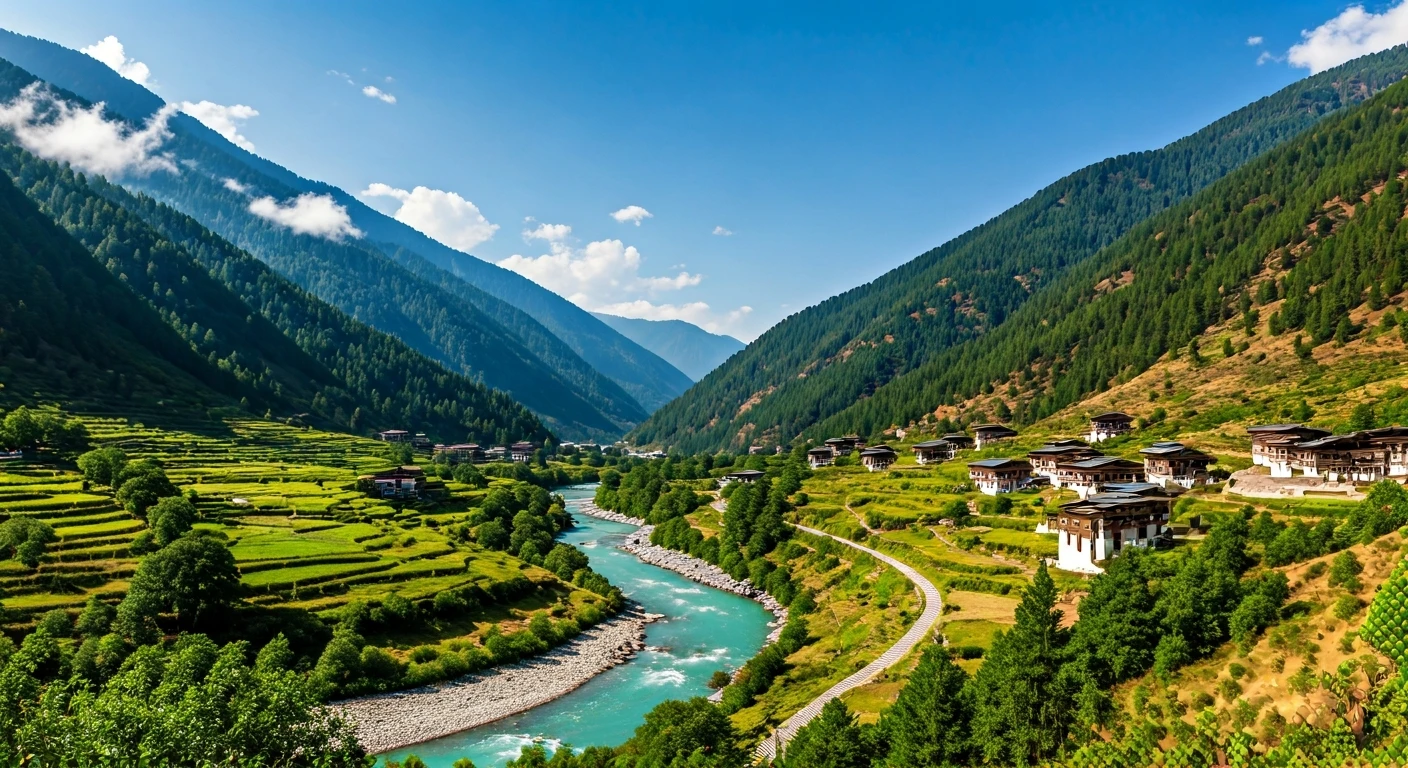
For most visitors, the journey begins in Paro Valley, a lush, fertile basin that is home to Bhutan's only international airport. [3, 5] But this is more than just an entry point; it's a destination in itself. [9] Paro offers a gentle introduction to the kingdom's charm, with traditional houses dotting the landscape and the Paro Chhu river meandering through it. [5] The valley's crown jewel is the iconic Paro Taktsang, or Tiger’s Nest Monastery, a sacred site clinging dramatically to a cliffside. [21, 25] The shared hike to this monastery is a bonding experience for many couples, offering breathtaking views and a profound sense of accomplishment. [17, 23]
Punakha Valley: The Valley of Bliss
Often called the 'valley of happiness', Punakha offers a warmer climate and a different kind of beauty. [9] Known for its terraced rice fields, this valley is where two major rivers, the Pho Chhu and Mo Chhu, converge. [7, 8] The confluence is home to the stunning Punakha Dzong, arguably one of the most beautiful fortresses in Bhutan. [9] For romantic couples, the valley offers idyllic riverside picnics and walks across the famed Punakha Suspension Bridge, which is draped in colourful prayer flags. [17, 25] The area is also home to Chimi Lhakhang, a unique fertility temple that adds another layer of cultural exploration to the journey. [9]
Phobjikha and Haa: The Untouched Escapes
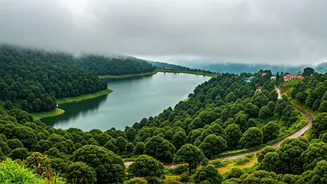
For those looking to venture further off the beaten path, the valleys of Phobjikha and Haa are perfect choices. Phobjikha is a vast, U-shaped glacial valley known for its serene beauty and as the winter home of the rare black-necked cranes. [6, 7] Its wide-open, protected landscape makes it ideal for peaceful nature walks and quiet reflection. [14, 17] Haa Valley, once closed to tourists, remains one of Bhutan's most untouched gems. [6, 7] Reached via the spectacular Chele La Pass, Haa offers an authentic glimpse into rural Bhutanese life, making it the perfect escape for couples seeking true solitude and cultural immersion. [3, 6]
Planning Your Bhutanese Romance
Travelling to Bhutan from India is refreshingly straightforward. Indian citizens do not require a visa but must obtain an entry permit, which can be done online or on arrival. [11, 22] A key aspect of planning is the Sustainable Development Fee (SDF), which for Indian nationals is a concessional rate of INR 1,200 per person per night. [11, 20] This fee contributes directly to Bhutan's free healthcare, education, and environmental conservation efforts. [22] While independent travel is possible, many couples opt for packages from registered tour operators for a seamless experience that covers permits, accommodation, and transport, especially when wanting to explore valleys beyond Paro and Thimphu which require a separate Route Permit. [13, 20]