





The New Night Watch
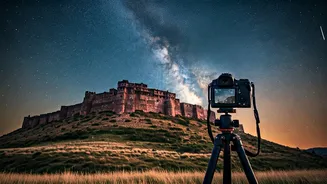
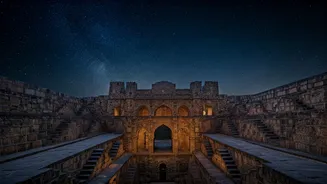
Long after the last tourist has descended and the gates are notionally closed, a dedicated community comes alive. They are photographers, trekkers, and history buffs, united by a singular passion: capturing India’s ancient hill forts in the profound quiet
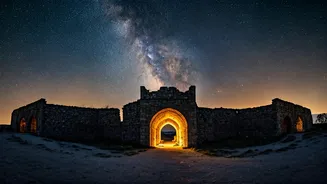
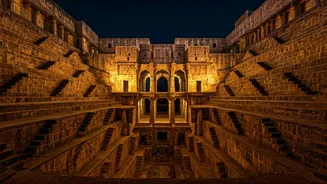
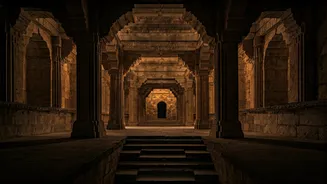
of the night. These are not casual snapshots. This is a meticulous, patient art form known as long-exposure photography, and it’s transforming these historical ruins from silent monuments into vibrant, otherworldly canvases. Groups across states like Maharashtra and Rajasthan now organise these “photo crawls,” turning a challenging night trek into a creative expedition. They are rewriting the story of these forts, one frame at a time, moving beyond the daytime crowds to find a deeper, more intimate connection with history.
Painting with Light
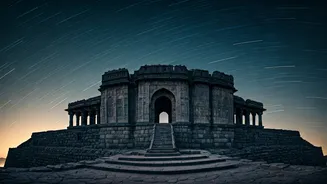
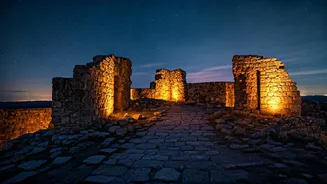
So, how does it work? The technique hinges on leaving the camera's shutter open for an extended period—from a few seconds to several minutes. In this darkness, the camera’s sensor patiently gathers every available photon of light. This allows photographers to capture what the naked eye cannot see: the faint glow of distant city lights, the brilliant arc of star trails as the Earth rotates, or the ghostly blur of clouds drifting across the moon. But the real magic begins with 'light painting.' Using torches, coloured LED wands, or even spinning steel wool to create a shower of sparks, photographers physically 'paint' light onto the scene. A stone bastion can be bathed in an eerie blue glow, or a winding staircase can be traced with a ribbon of golden light, making the familiar architecture feel alien and new.
A Dialogue with History
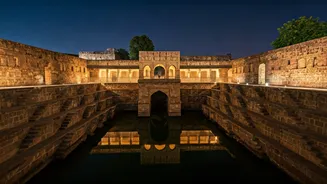
The headline's claim that these crawls 'redefine' the ruins isn't an exaggeration. By day, a fort is a historical artefact, a collection of stones and stories we observe from a respectful distance. By night, under the patient gaze of a long-exposure shot, it becomes a participant. The light painting doesn’t just illuminate the fort; it interacts with it. A streak of light can highlight the ingenuity of a 17th-century defensive wall or draw attention to the forgotten beauty of a crumbling archway. Photographers often speak of this process as a conversation with the past. They aren’t just documenting the fort; they are adding a temporary, ethereal layer of modern art onto a deep historical foundation. The resulting images are a powerful blend of permanence and transience—the ancient stone and the fleeting light.
Forts After Dark
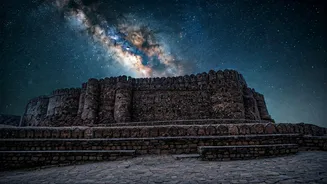
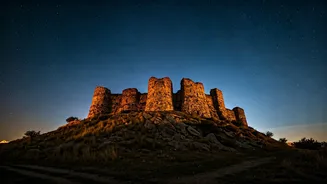
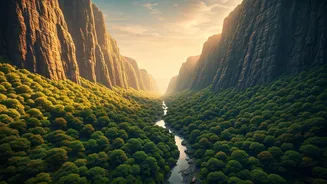
While the forts of Rajasthan offer a grand, regal backdrop, it is the rugged, accessible hill forts of the Sahyadri mountain range in Maharashtra that have become the epicentre of this movement. Forts like Lohagad, Visapur, Rajgad, and Torna, with their dramatic cliffs and sprawling plateaus, provide the perfect stage. The experience is multi-sensory. The trek up in the darkness builds anticipation. The silence at the summit, broken only by the wind and the click of a shutter, fosters a sense of solitude and awe that’s impossible to find during the day. This nocturnal perspective reveals a different character for each fort—one might feel menacing and imposing, while another feels serene and protective. It's an experience that connects participants not just to the history of the Maratha empire, but to the raw, untamed nature of the landscape itself.
The Art of Preparation
This creative pursuit is not without its challenges. Venturing onto ancient, uneven terrain in the dark requires careful planning, physical fitness, and a healthy respect for safety. Experienced members of the community stress the importance of going in groups, carrying powerful torches, first-aid kits, and informing someone of your plans. There’s also the technical aspect: mastering night photography requires patience, practice, and a good understanding of your equipment. Yet, these hurdles only strengthen the sense of community. Knowledge is freely shared, gear is loaned, and novices are guided by veterans. This collaborative spirit ensures that the primary focus remains on creative expression and a shared reverence for these magnificent historical sites.