






The Great Time Crunch
The primary driver behind India's evolving plate is the relentless pace of modern urban life. With rising urbanization, longer work hours, and an increase in dual-income households, the time once dedicated to elaborate cooking is shrinking. The daily
ritual of preparing multi-course meals from scratch is becoming a challenge for many working professionals and students living away from home. This isn't a rejection of tradition, but a practical adaptation. The love for 'ghar ka khana' (home-cooked food) remains strong, but the methods to get there are changing. This has paved the way for a booming market built on a single promise: delivering taste and tradition without the time-consuming labour.
Convenience Gets a Gourmet Makeover
In the past, 'convenience food' often meant compromising on taste and health. Today, that definition is being rewritten. The Indian ready-to-eat (RTE) and ready-to-cook (RTC) market is surging, with projections showing it growing from around USD 1.28 billion in 2026 at a significant rate. This growth is not just in instant noodles but in a sophisticated array of options. Think packaged dal makhani that tastes slow-cooked, frozen parathas, and pre-marinated paneer tikka. Brands like ITC, Gits, and Haldiram's are major players, offering everything from regional specialties to everyday staples that drastically cut down preparation time. This new wave of convenience is about reinventing heritage for a fast-paced life, allowing people to enjoy authentic flavours without spending hours in the kitchen.
The Rise of the Health-Conscious Consumer
As Indians embrace convenience, they are also becoming more health-conscious. There is a growing demand for products that are not just quick but also nutritious. Consumers are scrutinizing labels, seeking out organic ingredients, preservative-free options, and healthier alternatives to traditional snacks. This has fueled the rise of 'better-for-you' brands. Startups like Slurrp Farm are reviving ancient grains like millet and ragi in modern, kid-friendly formats like pancake mixes. The snack aisle has transformed, with baked makhana (fox nuts) and ragi chips gaining popularity over their fried counterparts. This trend shows that consumers are unwilling to trade long-term wellness for short-term convenience, pushing the industry to innovate with healthier offerings.
Technology on the Table
No discussion of modern Indian eating habits is complete without mentioning food delivery apps. Platforms like Zomato and Swiggy have fundamentally altered the urban food landscape. A survey found that convenience, time-saving, and the variety of options are the top reasons people use these apps. They offer unprecedented access to a world of cuisines, but also, critically, to home-style food from a burgeoning ecosystem of cloud kitchens. Some studies suggest that the frequency of home-cooking has reduced for a segment of urban users. These apps are no longer just for ordering restaurant meals; they have become a utility for managing daily food needs, whether it's a quick lunch at the office or a full family meal when time is short.
Tradition Finds a New Recipe
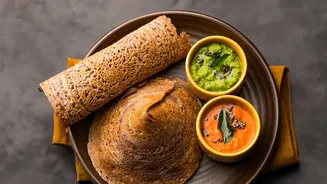
Perhaps the most interesting aspect of this shift is that it is not an outright replacement of traditional food but a repackaging of it. Entrepreneurs are finding innovative ways to present India's diverse culinary heritage in modern, accessible formats. From ready-to-use spice blends that simplify complex recipes to startups delivering authentic regional meals, the essence of Indian food is being preserved. This evolution ensures that even as lifestyles change, the connection to culinary roots remains. It's a testament to the adaptability of Indian food culture, which has always absorbed new influences while retaining its core identity.