



More Than Just a White Box
Let’s get one thing straight: minimalism isn’t just about owning three white t-shirts and a single, sad-looking succulent. The popular image of stark, empty rooms and a life devoid of personal possessions is a caricature. At its core, minimalism is a philosophy
of intention. It’s the practice of editing your life—and your living space—to include only the things you truly need, use, or love. It’s less about deprivation and more about curation. The goal isn’t emptiness; it’s clarity. By removing the excess, you create physical and mental space for what truly matters. This foundational principle is far more durable than any passing aesthetic, which is why minimalism has managed to outlast so many other interior design trends that burn brightly and then fade away.
An Antidote to Modern Chaos
The endurance of minimalism is deeply connected to the world we live in. We are constantly bombarded with information, notifications, and the pressure to consume more. Our homes have become the last bastion of true peace, and a minimalist approach offers a direct antidote to that external chaos. An uncluttered space can have a profound impact on our mental well-being, reducing stress and anxiety by limiting visual stimuli. It’s a deliberate rejection of the “more is more” ethos that fuels fast furniture and trend-driven consumption. In a culture of burnout and overstimulation, creating a serene, simplified sanctuary isn’t a style choice—it’s a survival strategy. This psychological appeal gives the movement a staying power that goes far beyond what’s fashionable.
The Rise of 'Warm Minimalism'
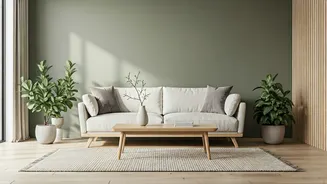
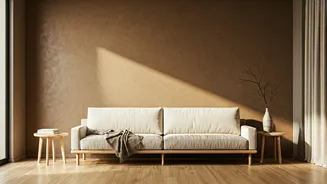
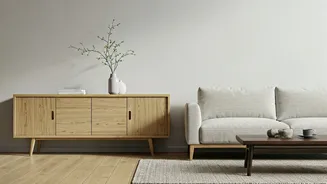
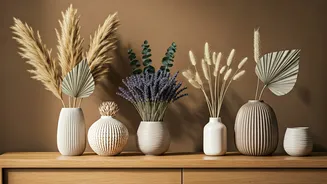
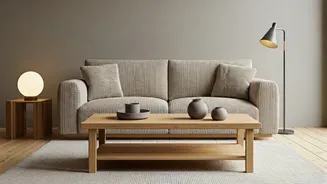
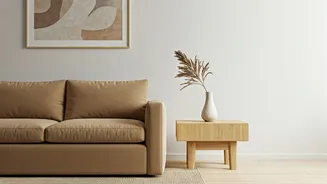
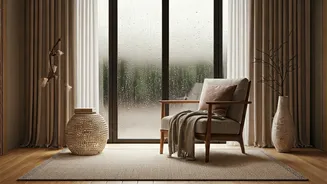
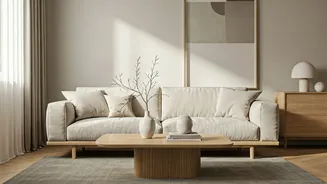
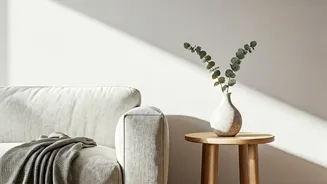
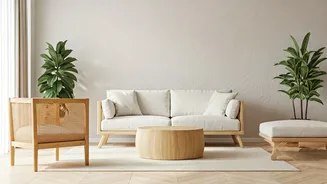
Perhaps the biggest reason minimalism is here to stay is its ability to adapt. The cold, gallery-like spaces of the early 2010s have given way to a much softer, more inviting iteration often called “warm minimalism.” This evolution keeps the core principles—clean lines, uncluttered surfaces, and intentionality—but layers in elements that make a space feel like a home, not a showroom. Think rich natural textures like wood, wool, and linen. Think earthy, muted color palettes instead of just black and white. Think curved furniture that softens hard edges and handcrafted objects that tell a personal story. This approach, heavily influenced by Japanese and Scandinavian design (hello, “Japandi”), proves that a minimalist home can be cozy, personal, and full of character. It’s minimalism that you can actually live in, which is precisely why it’s thriving.
The Sustainability Connection
In an era of increasing climate awareness, minimalism’s alignment with sustainability has made it more relevant than ever. The philosophy’s central tenet of “fewer, better things” is the very definition of conscious consumerism. Instead of filling a home with cheap, disposable items that will end up in a landfill, minimalism encourages investment in well-made, timeless pieces designed to last a lifetime. This shift prioritizes quality over quantity, craftsmanship over convenience. It encourages sourcing secondhand furniture, supporting local artisans, and choosing natural, eco-friendly materials. For a generation deeply concerned with their environmental impact, a minimalist lifestyle isn’t just an aesthetic choice; it's an ethical one. This powerful connection ensures its appeal will only grow stronger for years to come.