




Plan and Prepare Before You Go
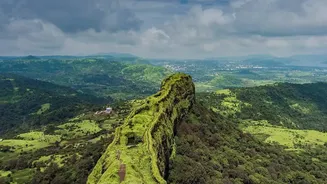
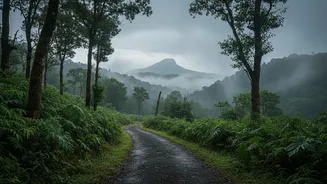
A responsible trek begins at home. Before you even lace up your boots, research your destination. Many popular trails in Maharashtra, Karnataka, and Goa have restrictions during the monsoon, with some areas completely closed to visitors to prevent accidents
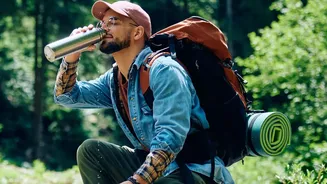
and ecological damage. Several states now mandate hiring certified local guides and have a cap on the number of daily trekkers, with permits selling out weeks in advance. When packing, think minimal and reusable. Avoid single-use plastics entirely. Pack your snacks in reusable containers, carry a reusable water bottle, and bring a dedicated garbage bag to carry all your waste back. Your gear choice also matters; opt for quick-drying synthetic fabrics over cotton, which absorbs water and takes a long time to dry, causing irritation.
Stick to the Marked Trail
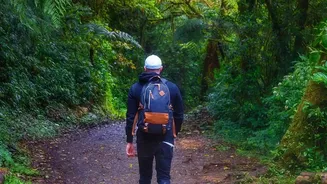
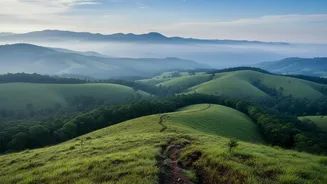
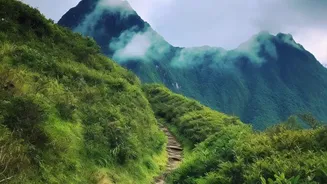
During the monsoon, the soil is soft and highly susceptible to erosion. Wandering off the designated path can damage delicate vegetation and create new trails that scar the landscape. Taking shortcuts might seem harmless, but it accelerates soil erosion, especially on slopes. Official trails are designed to be durable and withstand foot traffic. By staying on them, you help protect the fragile ecosystems that thrive just a few feet away. In many areas, trail discipline is now enforced to protect these wet, fragile paths. This is not just about environmental protection; it's also for your safety, as straying from the path can lead you into unsafe or landslide-prone areas.
Pack It In, Pack It Out
This is the golden rule of responsible hiking. Whatever you bring into the hills, you must carry back out. This includes everything from food wrappers and plastic bottles to organic waste like fruit peels and leftover food. While it may seem natural, leaving organic waste behind can attract animals, alter their natural behaviour, and disrupt the local ecosystem. Carry a dedicated eco-bag for all your trash. Many popular trekking destinations have initiated 'No Plastic' policies, and littering can attract fines. The goal is to leave the environment exactly as you found it, ensuring that future trekkers can also enjoy its pristine beauty.
Respect Wildlife and Flora
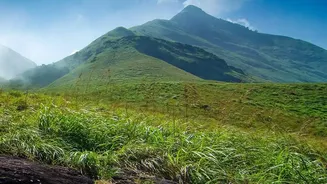
The Western Ghats are a UNESCO World Heritage site and one of the world's eight "hottest" biodiversity hotspots. The monsoon is a critical time for many species. To avoid disturbing them, observe wildlife from a distance and never attempt to feed them. Feeding animals makes them dependent on humans and can lead to aggressive behaviour. Avoid loud noises and playing music, as this can distress wildlife and spoil the experience for other trekkers. Similarly, do not pick flowers or take any plants with you. What you find in nature should be left for others to appreciate. Let your camera be the only thing you use to capture memories.
Choose Your Gear Wisely
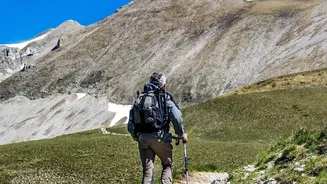
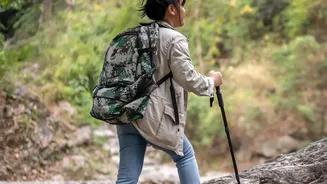
Your equipment can also have an environmental impact. Good quality trekking shoes with excellent grip are non-negotiable for safety on slippery monsoon trails. Using trekking poles can help with stability and reduce your impact on the trail by providing better balance. When it comes to rain protection, a full-body poncho is often a better choice than a simple jacket as it can cover you and your backpack, reducing the need for separate plastic covers. Ensure all your electronics are in waterproof pouches or dry bags to prevent them from becoming e-waste on the trail. Many leeches are present during the monsoon; using leech socks or carrying a small pouch of salt is advisable.
Support the Local Community
Responsible tourism involves supporting the local economy in a sustainable way. Whenever possible, hire local guides. They possess invaluable knowledge of the terrain, weather patterns, and local culture, which enhances your safety and experience. Purchase supplies from local shops and eat at local establishments. This ensures that the economic benefits of tourism directly reach the communities that are the custodians of these natural landscapes. This approach not only enriches your trip but also provides an incentive for local communities to actively participate in conservation efforts.